
Vegetables
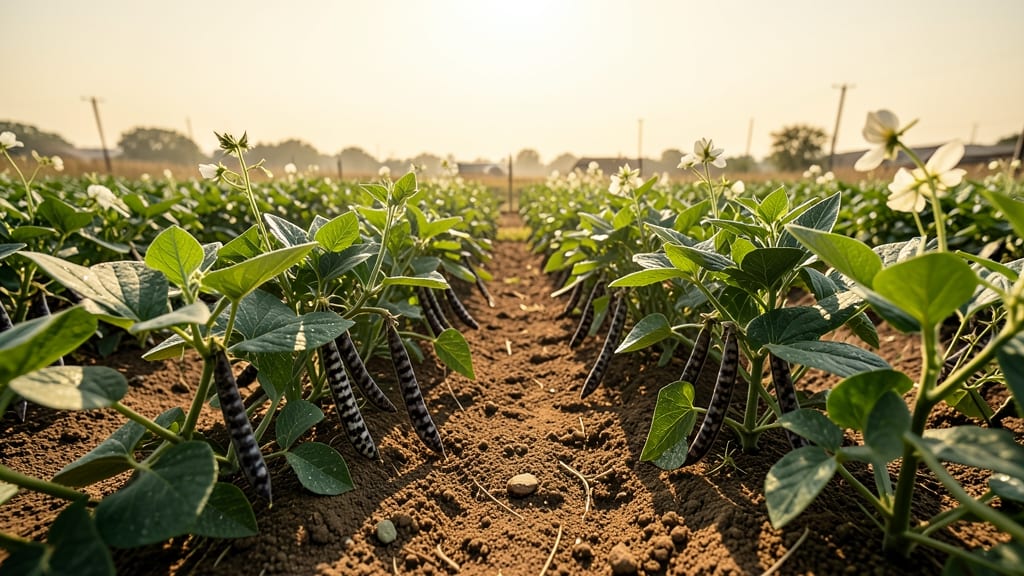
Dried beans are a gardener’s secret weapon—nutrient-dense, drought-resistant, and packed with protein. These 10 varieties span easy-to-grow options, heirloom favorites, and high-yield crops perfect for home gardens or bulk cooking.
Black Turtle Beans for Hearty Stews
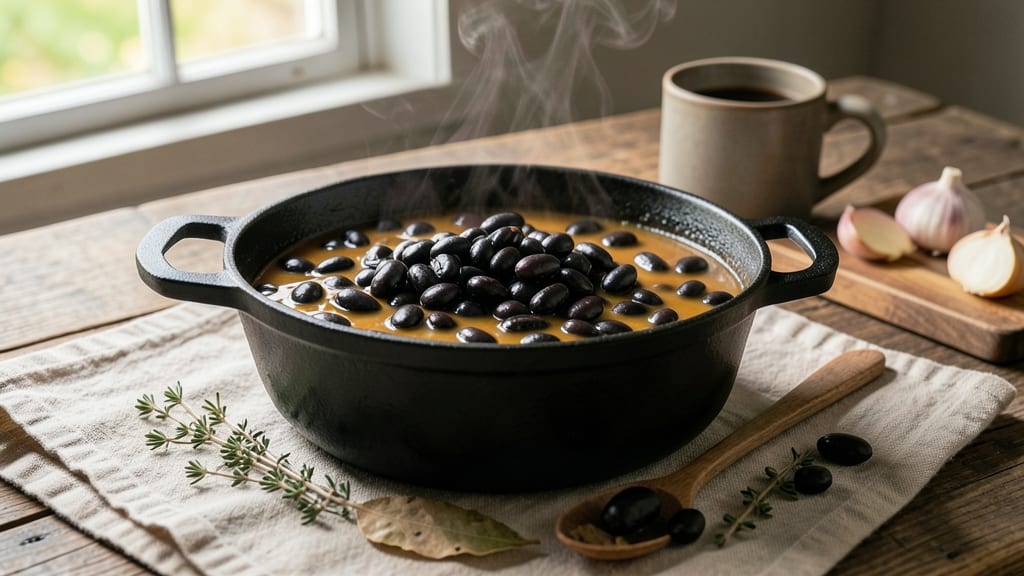
Looking for a bean that transforms into a creamy, slow-cooked masterpiece? Black turtle beans are the unsung heroes of hearty stews, soups, and even vegan dishes. Their rich, earthy flavor deepens as they simmer, making them a favorite for gardeners who love cooking from their harvest.
These beans thrive in warm climates (USDA zones 9-11) and tolerate heat better than many varieties, producing glossy black pods that yield plump, high-protein seeds. Plant them in well-draining soil with full sun, and expect a 90-120 day harvest. The best part? Dried black turtle beans store for years in cool, dark places, giving you a pantry staple that keeps giving.
Perfect for gardeners in the South or Southwest, these beans also fix nitrogen in the soil—meaning they improve your garden’s fertility while feeding your family. Start with a few plants, and you’ll have a year-round supply of slow-cooking perfection. 🌻
Navy Beans Perfect for Baking
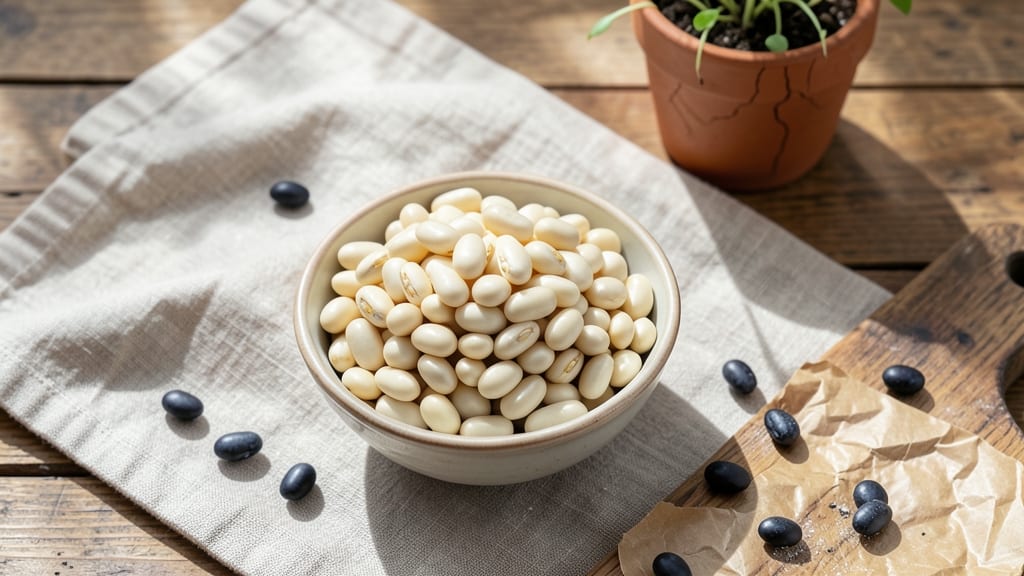
If you love the idea of growing your own beans but live in a cooler climate, navy beans are your perfect match. These small, creamy-white beans are the unsung heroes of baked dishes, soups, and even holiday meals—yet they’re surprisingly easy to grow, even in short seasons.
Navy beans thrive in USDA zones 3-9, making them ideal for gardeners in the Pacific Northwest, Northeast, or high-altitude regions. They produce high yields (up to 20 pounds per 100 feet of row) and mature in just 80-90 days, perfect for small spaces or containers. Plant seeds 1-2 inches deep and 3-4 inches apart, and watch them climb a trellis or bush out neatly without sprawling.
Beginners will appreciate their forgiving nature—they tolerate cooler soils and resist common bean pests like Mexican bean beetles. Plus, their long storage life means you can harvest early and enjoy them all winter. 💚
Pinto Beans for Refried Dishes
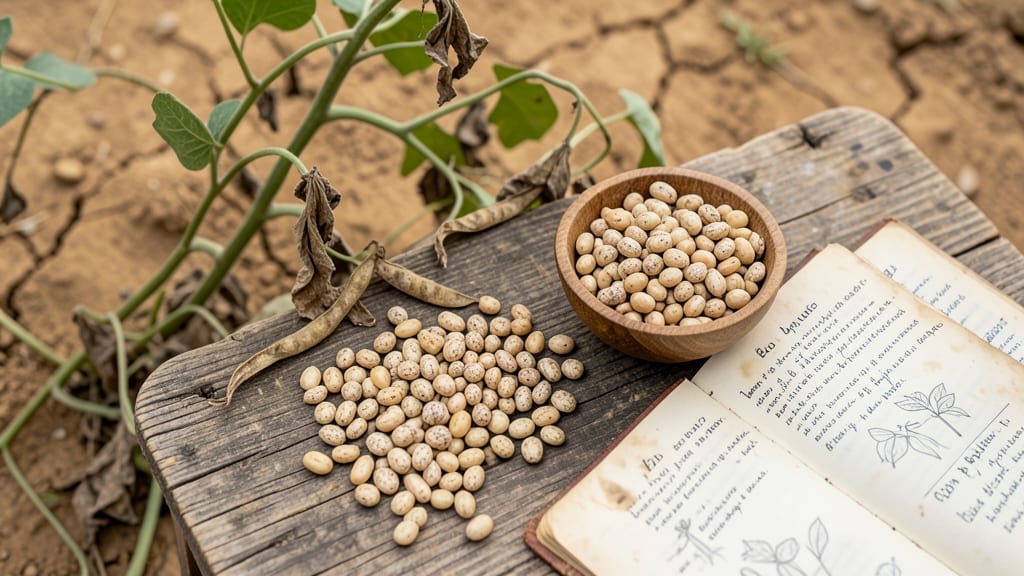
If you’ve ever dreamed of growing your own beans for refried dishes without fuss, pinto beans are your perfect match. Their mashable texture makes them ideal for traditional recipes, while their drought-resistant nature means they thrive even when water is scarce.
These beans mature in just 80-90 days, giving you a fast harvest, and their speckled patterns add visual interest to your garden. Plant them in full sun (6+ hours daily) with well-draining soil, and watch them climb or bush out—no trellis required. They’re also nitrogen-fixers, enriching the soil for future crops.
Organic gardeners in arid regions will love how pintos handle heat and dry spells, producing high yields with minimal care. Perfect for bulk storage too! 🌱
Kidney Beans for Salads and Chili
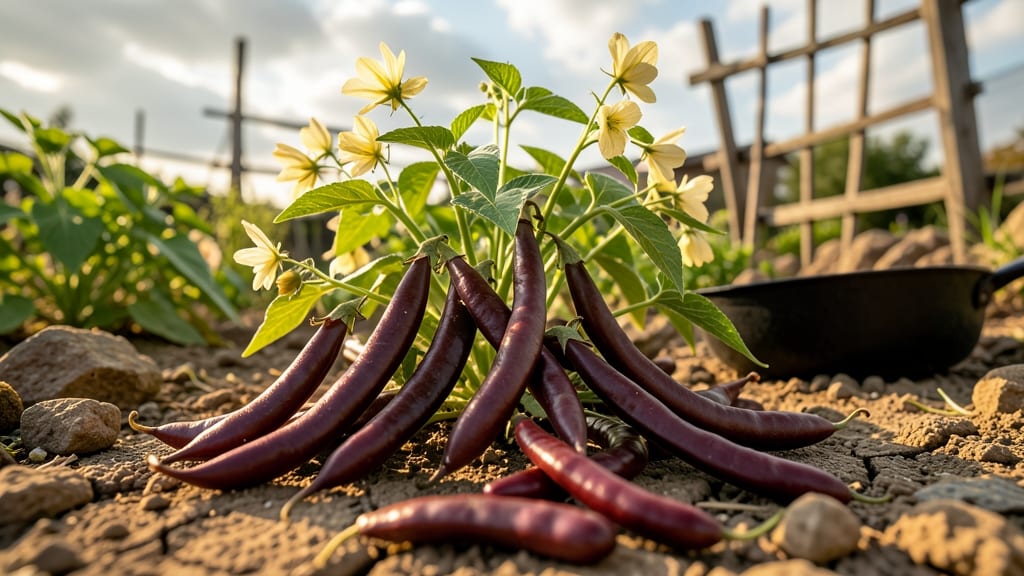
Looking for a bean that adds both vibrant color and deep flavor to your garden? Kidney beans are the showstoppers of the dried bean world, thriving even in challenging conditions while delivering a harvest perfect for salads, chilis, and beyond.
These beans shine in poor or rocky soils where other crops might struggle, and their compact growth habit makes them ideal for succession planting every 2-3 weeks. Plant seeds 1 inch deep in warm soil (after last frost) and watch them climb 12-18 inches tall—no trellis required for bush varieties. Their striking red-orange pods mature in just 80-90 days, giving you a continuous harvest.
Urban gardeners and small-space growers will love how kidney beans fit into tight plots while still delivering high yields. Plus, their unique flavor profile makes them a standout in any garden harvest. 🌻
Chickpeas for Hummus and Snacks
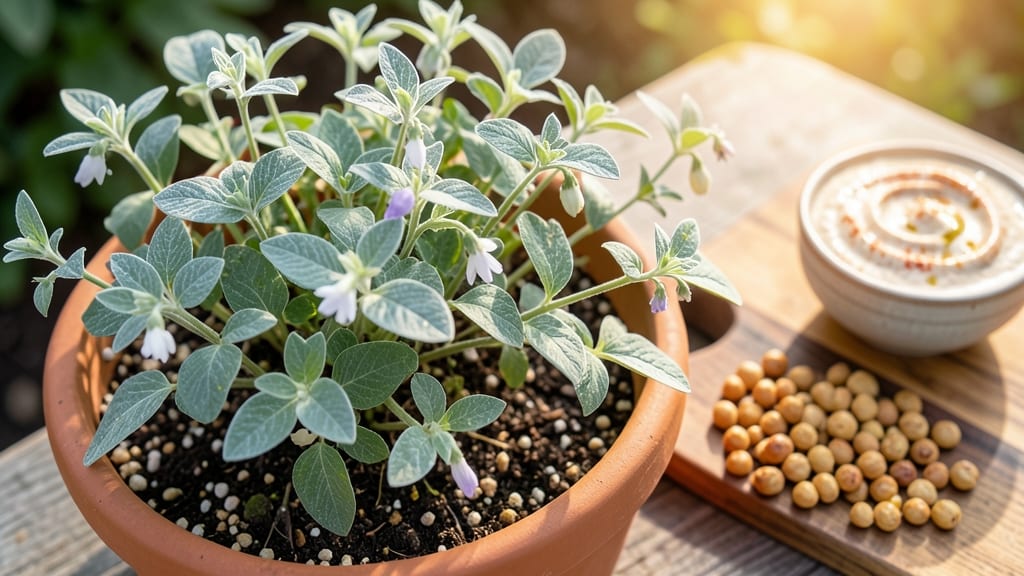
If you love hummus or snacking on roasted chickpeas, growing your own chickpeas is a game-changer—especially in containers. These compact plants don’t just produce protein-packed pods; they also fix nitrogen in the soil, making them a dual-purpose powerhouse for your garden.
Plant them in well-draining soil with 6-8 hours of sun daily, and they’ll thrive in Mediterranean climates or even urban balconies. Varieties like Desi or Kabuli mature in 90-120 days, and their deep roots help break up compacted soil. Plus, their bushy growth stays tidy in pots—ideal for small spaces.
Perfect for gardeners who want to improve soil health while enjoying a versatile crop, chickpeas are a must-try for both beginners and experienced growers. 🌱
Lentils for Quick Cooking
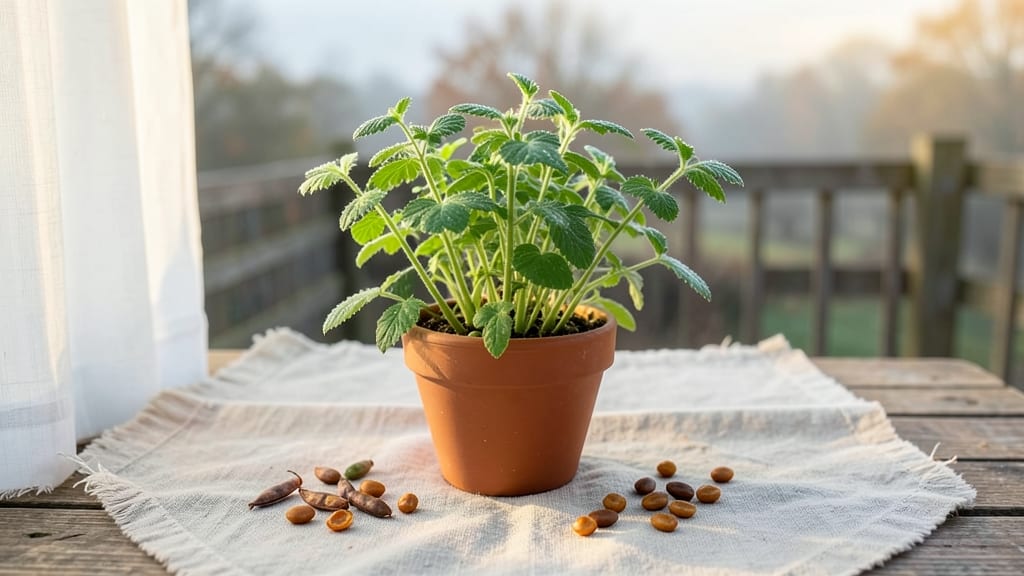
If you’re craving a quick harvest in cool weather, lentils are the unsung heroes of the bean family. Unlike their slower-growing cousins, lentils mature in just 80-90 days, making them perfect for early spring or fall gardens when nights are chilly but still frost-free.
These tiny powerhouses thrive in temperate zones and tolerate light frosts, giving you an edge in short growing seasons. Plant them in well-drained soil with moderate moisture—they’ll reward you with compact bushes (just 12-18 inches tall) that fit neatly into small spaces or containers. Plus, their fast-cooking time means you’ll enjoy homegrown protein sooner than with most beans.
Urban gardeners and beginners will love how low-maintenance lentils are—they resist many pests and don’t need staking. Try green or brown varieties for versatility in salads or soups, and harvest before pods dry completely for the best flavor. 🌱
Adzuki Beans for Sweets and Soups
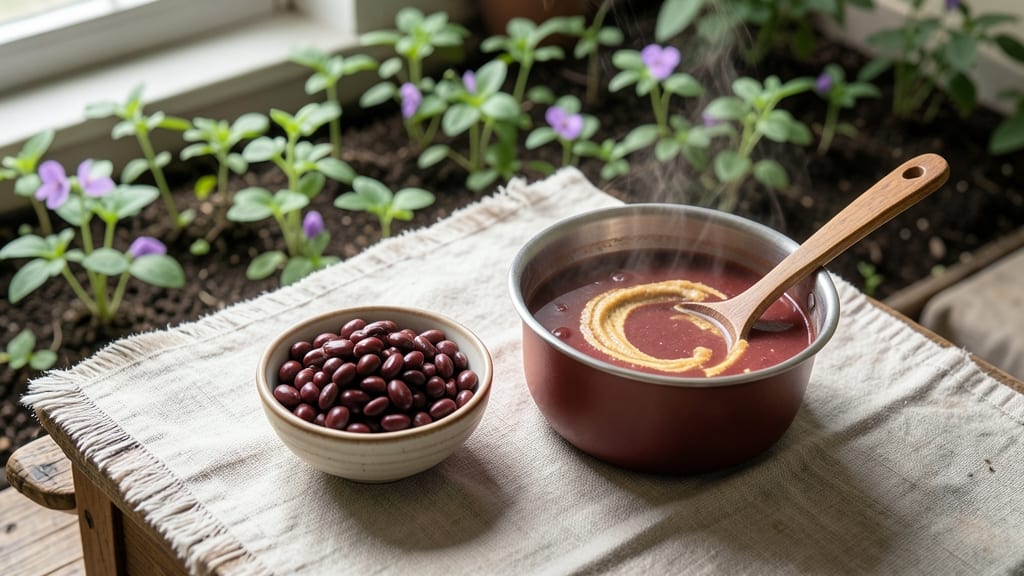
If you love beans with a naturally sweet taste, adzuki beans are your perfect match—ideal for soups, desserts, or even traditional red bean paste. Unlike many beans, they thrive in short growing seasons (as few as 70-80 days) and resist common pests like bean beetles, making them a low-maintenance choice.
These compact plants (18-24 inches tall) grow well in humid climates and tolerate partial shade, perfect for gardeners in the Southeast or Pacific Northwest. Plant seeds 1-2 inches deep in well-draining soil, spacing them 4-6 inches apart. They’re also great for containers, so urban gardeners can grow them on patios or balconies.
Adzuki beans are a versatile addition to any garden, offering both culinary and pest-resistant benefits. Their adaptability makes them a favorite for gardeners who want flavorful results with minimal fuss. 🌱
Great Northern Beans for Creamy Textures
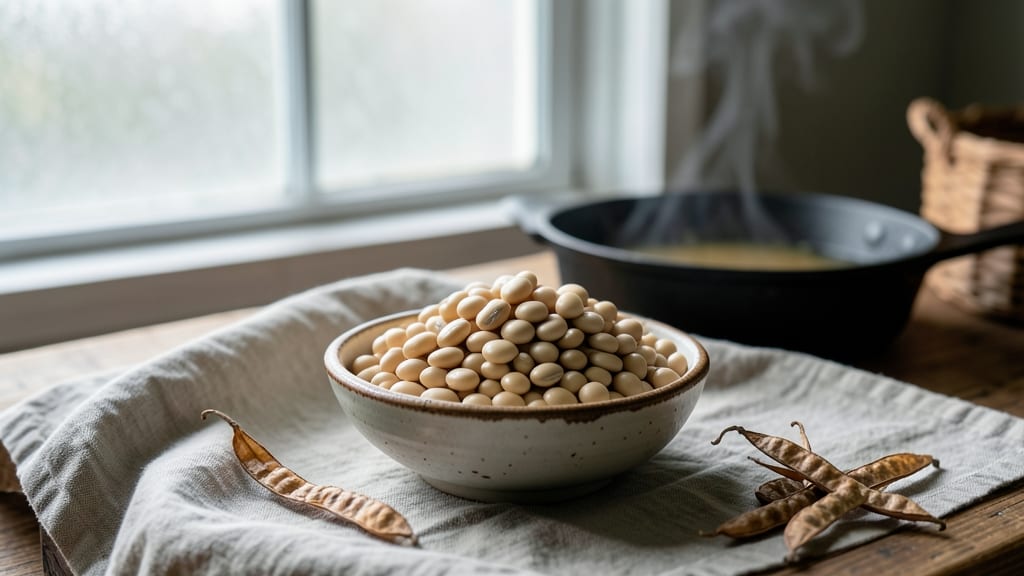
If you live in the Pacific Northwest or another cool-climate region, Great Northern beans are your secret weapon for creamy, mild-flavored harvests. Their smooth texture makes them ideal for soups, stews, and purees, while their cold-hardy nature ensures success even when temperatures dip.
These beans thrive in USDA Zones 3-9, handling early frosts and late-season chills better than many varieties. Plant them in well-drained soil with full sun to partial shade, and expect a 70-90 day harvest. Their compact bush form saves space, making them perfect for small gardens or containers.
Gardeners in cooler zones will love how Great Northern beans deliver reliable yields without fuss—ideal for beginners or those seeking a low-maintenance, high-reward crop. 🌱
Mung Beans for Sprouting and Stir-Fries
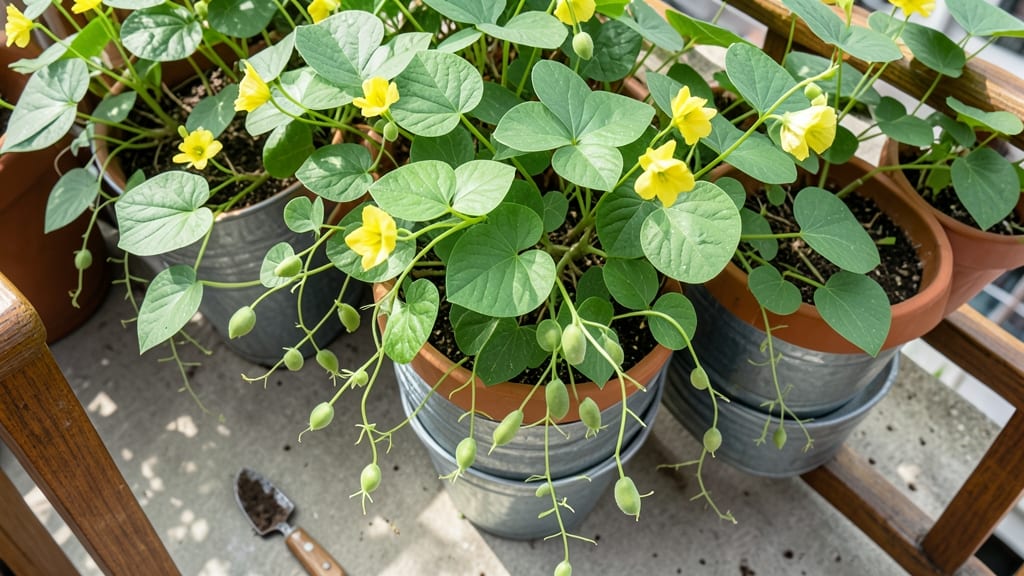
If you're an urban gardener with limited space but want a fast-growing, nutrient-rich crop, mung beans are your secret weapon. These tiny green beans thrive in warm climates and can be harvested in just 60-70 days, making them perfect for small balconies or containers.
Mung beans aren’t just for stir-fries—they’re also one of the easiest beans to sprout indoors, requiring only a jar, water, and a sunny windowsill. For outdoor planting, ensure they get full sun and well-draining soil. They’re also drought-tolerant, so they won’t wilt during dry spells.
Perfect for beginners or those with tight spaces, mung beans deliver double duty: fresh pods for cooking and sprouts for salads. Their versatility and speed make them a must-try! 🌱
Black-Eyed Peas for Southern Cuisine

If you live in the Southern U.S. or tropical regions, black-eyed peas might just be your garden’s superstar. These heat-loving beans thrive under intense sun and drought conditions, making them a low-maintenance choice for hot climates.
Plant them in well-draining soil after the last frost, spacing seeds 3-4 inches apart in rows 18-24 inches apart. They mature in 60-90 days, producing abundant yields that store well for months—ideal for pantry staples. Their drought tolerance means less watering, and their nitrogen-fixing roots improve soil health over time.
Perfect for gardeners who want reliable harvests with minimal fuss, black-eyed peas are also a staple in Southern cooking. Try growing them for fresh or dried beans that last all year! 🌻