
Vegetables
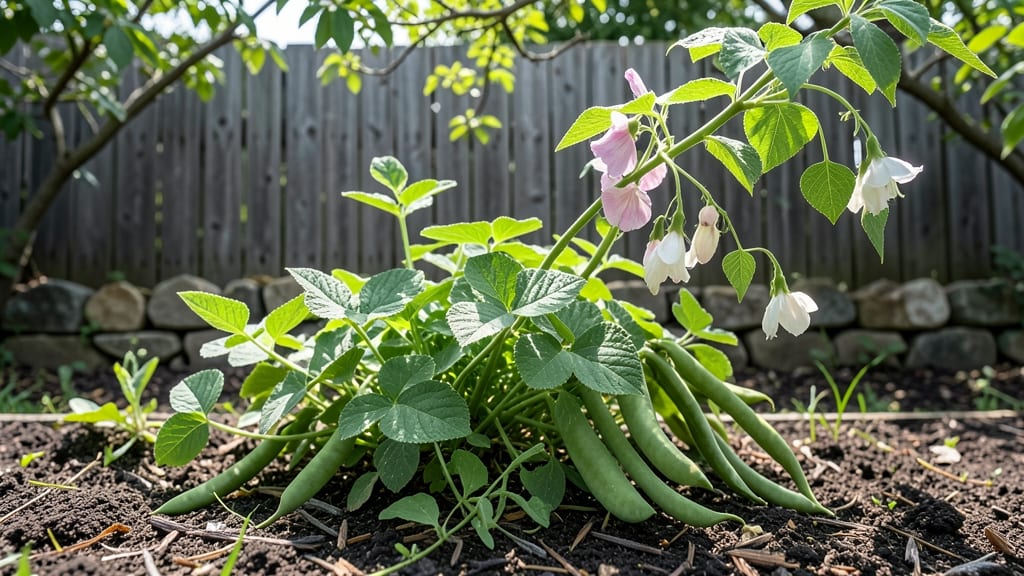
Half runner beans popping up unexpectedly are nature's way of giving you free, space-saving vines. 🌱 These volunteer plants grow just like their parent varieties, often producing even more vigorous plants since they self-select for your climate.
I've watched these bean vines transform bare corners of my garden into lush, productive green walls without any extra effort. The magic happens when you let them climb—no trellis required. They'll twine around fences, mailboxes, or even other plants, creating a vertical garden that maximizes your space.
Just give them rich soil, consistent water, and a little patience. My volunteer half runner beans have outproduced purchased plants every year, and they're easier to grow because they've already adapted to your growing conditions.
You'll harvest tender pods in about 8-10 weeks, with plants that keep producing until frost. The beans taste just as sweet as store-bought varieties, and you'll enjoy watching them spread effortlessly. These plants are perfect for small gardens, urban spaces, or anywhere you need a quick, low-maintenance harvest.
The best part? You don't need to do anything special to encourage them. Just let some beans mature and dry on the vine last season, and they'll reseed themselves naturally. It's gardening at its most efficient—and delicious.
📚 In This Guide
- What you need
- Instructions
- Tips and common mistakes
- Wrapping up and next steps
What you need
- ● Seeds: 1–2 packets of Phaseolus coccineus (Half Runner Bean variety) – about 10–15 seeds per packet.
- ● Growing Containers: 1–2 5-gallon buckets (with drainage holes) or
- ● 1 large fabric grow bag (10–12 gallons) or
- ● 1 raised bed section (at least 12" deep, 12" wide, and 24" long).
- ● Potting Mix: 1 bag of well-draining, organic potting soil (or a mix of 60% compost + 40% coconut coir).
- ○ Support Structures (Optional but Helpful): 1–2 bamboo stakes (4–5 ft tall) or
- ● 1 twine or jute twine (for gentle tying as vines grow).
- ● Watering Can or Hose: With a fine-mist nozzle for gentle watering.
- ● Fertilizer: 1 balanced organic fertilizer (e.g., 5-5-5 or compost tea).
- ● Epsom salt (1 tbsp per plant at planting time for magnesium boost).
- ● Mulch: Straw or shredded leaves to retain moisture.
- ● Plant Markers: To label your beans (fun for kids or forgetful gardeners!).
- ● Shade Cloth: Lightweight (30–50%) for hot climates.
- ● Pruning Shears: For trimming excess foliage later in the season.
How to grow volunteer half runner beans in small spaces
These vigorous vines thrive without trellises—here's how to coax them into productive, space-saving climbers.
🌱 Step 1: Identify and Select Strong Volunteer Plants
Scout your garden for half runner bean volunteers—look for plants with deep green, trifoliate leaves and purple-brown stems. These emerge from seeds dropped by last year's plants, often in sunny corners where soil stays warm. I always check under established plants first, as they often self-seed prolifically there.
Select the healthiest, most vigorous seedlings for transplanting, ideally those with 3-4 true leaves and stems about 6 inches tall. Avoid leggy or pale volunteers—they'll struggle to climb later. Use a small trowel to carefully dig around the roots, keeping as much soil attached as possible to minimize shock.
🪴 Step 2: Prepare Lightweight Containers or In-Ground Spots
Half runner beans hate soggy roots, so if growing in containers, choose 5-gallon pots with drainage holes or fabric grow bags. Fill with well-draining potting mix mixed with 20% perlite to prevent compaction. For in-ground planting, select a sunny spot with loose, fertile soil—these vines need 6+ hours of direct sun daily to produce well.
I like to add a handful of compost to the planting hole or container mix, working it into the top 6 inches of soil. This gives roots an immediate nutrient boost without overfeeding. Space plants 12-18 inches apart if growing in-ground, or 1 plant per 5-gallon container for vertical training.
☀️ Step 3: Train Vines to Climb Using Natural Supports
Unlike traditional runner beans, half runners don't need trellises—they'll cling to fences, pergolas, or even sturdy shrubs. I start training them early by gently tying the main stem to a support with soft twine or old pantyhose when they reach 12 inches tall. This prevents wind damage and encourages upward growth.
As vines grow, they'll naturally twine around any available structure. If you're using containers, a small bamboo stake placed near the plant works well—vines will spiral around it effortlessly. Prune side shoots that grow below 18 inches to focus energy on upward growth and flower production.
💧 Step 4: Water and Fertilize for Maximum Yield
Keep soil evenly moist but not waterlogged—half runner beans wilt quickly when thirsty but recover fast once watered. I water deeply 2-3 times per week, aiming for 1 inch of water total, and always water at the base to prevent fungal diseases. Mulch with 2 inches of straw to retain moisture and suppress weeds.
Feed plants every 3-4 weeks with a balanced liquid fertilizer (10-10-10) diluted to half strength. Stop fertilizing once pods appear—too much nitrogen reduces flowering. Watch for yellowing leaves, which signal either overwatering or nutrient deficiency. Adjust care accordingly.
✂️ Step 5: Harvest and Encourage Continuous Production
Begin harvesting when pods reach 4-6 inches long—this is their sweetest stage. I pick every 2-3 days to encourage more flowers and pods. Use sharp scissors to cut pods at the stem to avoid damaging the vine. Regular harvesting prevents the plant from becoming overloaded, which can reduce future yields.
After the first flush of pods, prune back any dead or yellowed leaves and pinch off spent flowers. This redirects the plant's energy into producing new growth. Half runner beans often produce two harvest cycles in a season if cared for properly—watch for new flower clusters forming after the first harvest.
Tips & tricks for perfect volunteer half runner beans
These space-saving climbers reward patience—here’s how to maximize their potential without the fuss.
Selection Matters: When choosing volunteer plants in Step 1, focus on those with vibrant purple-brown stems and 3-4 true leaves. These indicators show the plant has strong root systems already established. I’ve found that volunteers growing near last year’s plants often inherit their parent’s vigor—look for clusters rather than isolated seedlings. The 6-inch height guideline prevents transplant shock while ensuring the plant has enough energy to climb later.
Container Hack: For container growing in Step 2, I recommend using fabric grow bags instead of traditional pots—they allow roots to breathe while preventing compaction. When mixing your well-draining potting soil with 20% perlite, sift the perlite first to distribute it evenly. This prevents clumping that can restrict root growth. The key is maintaining that loose, airy texture without over-amending with compost—too much can lead to soggy conditions these beans dislike.
Climbing Strategy: In Step 3, when tying your 12-inch vines to supports, use old pantyhose or soft twine—these materials are gentle on stems and won’t cut into the plant as it grows. For container growers, place your bamboo stake at a slight angle rather than straight up. This encourages the vine to spiral naturally rather than growing in tight circles. The 18-inch pruning threshold is crucial—this prevents energy from being wasted on lower growth that won’t produce pods.
Watering Wisdom: The 2-3 times per week watering schedule in Step 4 works best when you water deeply at the base rather than lightly across the surface. I’ve learned to check soil moisture by sticking my finger 2 inches down—if it feels dry, that’s your cue. The 1-inch total water measurement assumes average summer conditions; in extreme heat, you may need to increase to 1.5 inches while maintaining that even moisture. Mulching with 2 inches of straw isn’t just about moisture—it also keeps soil temperatures stable, which these beans appreciate.
Pro Tips for Volunteer Half Runner Beans
- These space-saving climbers reward patience—here’s how to maximize their potential without the fuss.
- Selection Matters: When choosing volunteer plants in Step 1, focus on those with vibrant purple-brown stems and 3-4 true leaves.
- Container Hack: For container growing in Step 2, I recommend using fabric grow bags instead of traditional pots—they allow roots to breathe while preventing compaction.
Frequently asked questions
Got questions about growing volunteer half runner beans? You're not alone!
Here are answers to the most common queries to help you get started with confidence.
What’s the best time to plant volunteer half runner beans?
These beans thrive in warm soil, so wait until after the last frost when temperatures consistently stay above 50°F (10°C). For most U.S. zones, this means late spring or early summer. If you’re in a hot climate, opt for fall planting to avoid summer heat stress.
How much space do volunteer half runner beans really need?
They’re called "half runners" for a reason! Plant seeds 4–6 inches apart in rows 18–24 inches apart. Unlike full runner beans, they don’t sprawl wildly—perfect for small gardens, containers, or even along fences. Just avoid overcrowding to prevent disease.
Can I grow these beans without a trellis?
Half runners are self-supporting but may need a little help climbing. Try weaving them through nearby plants (like corn or sunflowers), or let them sprawl over a low fence. If space is tight, a 3–4 foot tall teepee works great too.
What should I do if pests or diseases appear?
Keep an eye out for bean beetles or powdery mildew. For pests, handpick bugs or use neem oil. For mildew, improve airflow by spacing plants wider and watering at the base. Rotate crops next season to prevent soil-borne issues.
How long until I can harvest volunteer half runner beans?
Patience pays off! Harvest begins 50–60 days after planting when pods are 3–4 inches long and tender. Pick regularly to encourage more production—overripe pods get tough and stringy. Pro tip: Morning harvests keep flavors fresh!
Wrapping up and next steps
Volunteer half runner beans are a dream for gardeners with limited space—easy to grow, productive, and thriving without fancy trellises! 🌱 Whether you’re a beginner or a seasoned gardener, these beans offer a low-maintenance way to enjoy fresh, homegrown veggies.
Ready to take the next step? Start by saving a few seeds from this year’s harvest—or grab a packet and plant them in a sunny spot. Your future meals (and your garden’s curb appeal) will thank you!