
Plants
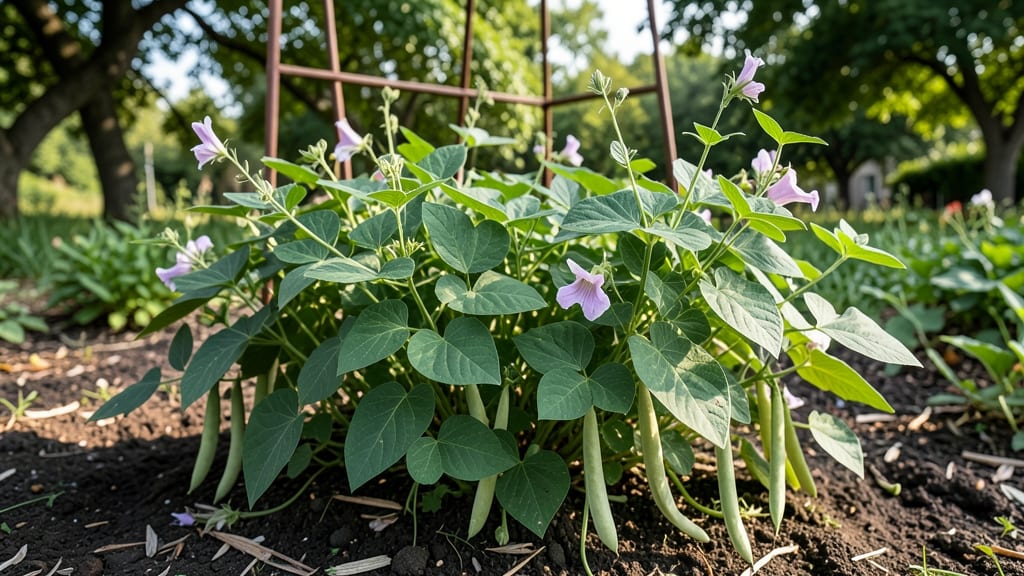
A bean looks like a slender or plump pod, often smooth or slightly textured, with shapes ranging from straight and elongated to curved or kidney-like. Inside, you'll find rows of small seeds that vary in color—from bright green to deep black—depending on the variety.
A bean's appearance can be surprisingly diverse, even among common varieties. 🔥 The pods themselves might stretch up to 6 inches in length (like green beans) or stay compact and rounded (such as black-eyed peas).
What really sets them apart is the seed arrangement—some beans have seeds lined up in a single row, while others pack them in double rows. For example, dried kidney beans showcase their signature curved shape, while snap peas keep their seeds neatly tucked inside edible pods.
This variety makes beans easy to spot in gardens, grocery stores, or even wild patches.
Color plays a big role too.
Fresh beans often appear vibrant green, but dried varieties can range from earthy browns to striking blacks or speckled patterns. 💫 This visual diversity isn't just for show—it helps you quickly identify whether you're looking at a cooking green bean, a protein-rich dried bean, or a snap pea ready to eat pod and all.
💡 In This Article
- Identifying Bean Pods by Shape, Size, and Seed Structure
- Common Bean Types and Their Distinct Visual Traits
Identifying bean pods by shape, size, and seed structure
The visual diversity of beans starts with their pod shapes, which can be categorized into three primary forms: elongated, rounded, or flat.
For instance, green beans typically grow in slender, straight pods that can reach 4-6 inches in length, while snap peas have flat, edible pods that resemble tiny green pillows. 🔥 The width also varies—some pods are barely wider than a pencil, while others (like lima beans) can swell to 1 inch across.
These dimensions aren't just random; they reflect the bean's function in nature, with narrower pods often housing seeds in a single row and wider pods accommodating double rows.
Seed arrangement inside the pod is another key identifier. Single-row beans, such as pole beans, have seeds lined up like beads on a string, while double-row varieties like black beans pack seeds in two parallel lines.
The seeds themselves can be round (like pinto beans), kidney-shaped (as their name suggests), or even heart-shaped (such as some types of lentils). 💫 Color isn't just about aesthetics—it often correlates with the bean's maturity and intended use.
Fresh green beans stay vibrant green until picked, while dried beans develop earthy browns, blacks, or speckled patterns as they mature and lose moisture.
Texture provides additional clues. Fresh pods often feel smooth and slightly waxy, while dried beans develop a harder, sometimes rough exterior. For example, dried chickpeas have a papery skin that contrasts with the soft, velvety texture of cooked beans.
This tactile difference is crucial for identification—try running your fingers over a dried black bean versus a fresh snap pea, and you'll notice the stark contrast in firmness. 🌟 Understanding these physical traits helps gardeners distinguish between varieties and ensures you're selecting the right beans for your culinary needs.
Color variations extend beyond the obvious green. Some beans develop striking patterns—like the mottled appearance of speckled beans or the deep purple hues of certain heirloom varieties. These visual cues aren't just decorative; they often indicate flavor profiles and cooking behaviors.
For example, black beans maintain their color when cooked, while green beans may darken slightly when exposed to heat. 💫 The arrangement of colors can also reveal genetic traits—some beans develop white "eyes" (like black-eyed peas) due to genetic dominance in seed coloration.
Size matters too, especially when comparing fresh versus dried beans. A single dried kidney bean might measure just 0.5 inches in length, while its fresh counterpart could be nearly twice that size before drying.
This shrinkage occurs because dried beans lose up to 80% of their water content, making them denser and easier to store. 🌟 For gardeners, this means a small pod can yield a surprising number of seeds—some varieties produce 4-6 seeds per inch of pod length.
Don't overlook the stem attachment point—where the pod connects to the vine. This area often reveals clues about the bean's maturity and species. For example, green beans typically have a pointed tip where they were attached to the plant, while snap peas have a rounded end.
This small detail can help distinguish between similar-looking varieties in the garden or at the market. 💫