
Plants
A vanilla bean looks like a long, flat, dark brown pod with a slightly twisted, irregular shape, measuring about 4 to 7 inches in length and ½ inch wide, covered in tiny black specks and a papery, leathery skin.
A vanilla bean's distinctive appearance starts with its dark brown hue, which develops after the pod is hand-pollinated and cured for weeks. 🌿 These pods grow from orchids and begin as bright green, eventually darkening as they mature—this color shift is a key indicator of readiness.
The surface isn't smooth; it's textured with tiny seeds embedded in the leathery skin, giving it a natural, organic look that sets it apart from imitation vanilla extracts.
When you hold one, you'll notice the twisted shape isn't perfectly straight—it often curves gently, almost like a question mark. This irregularity happens because the pod grows unevenly as it fills with seeds.
The size can vary slightly depending on the orchid variety, but most fall within that 4-7 inch range, making them easy to spot in markets or spice aisles.
💡 In This Article
- Identifying Vanilla Bean Visual Traits and Growth Stages
- How to Spot High-Quality Vanilla Beans in Grocery Stores
Identifying vanilla bean visual traits and growth stages
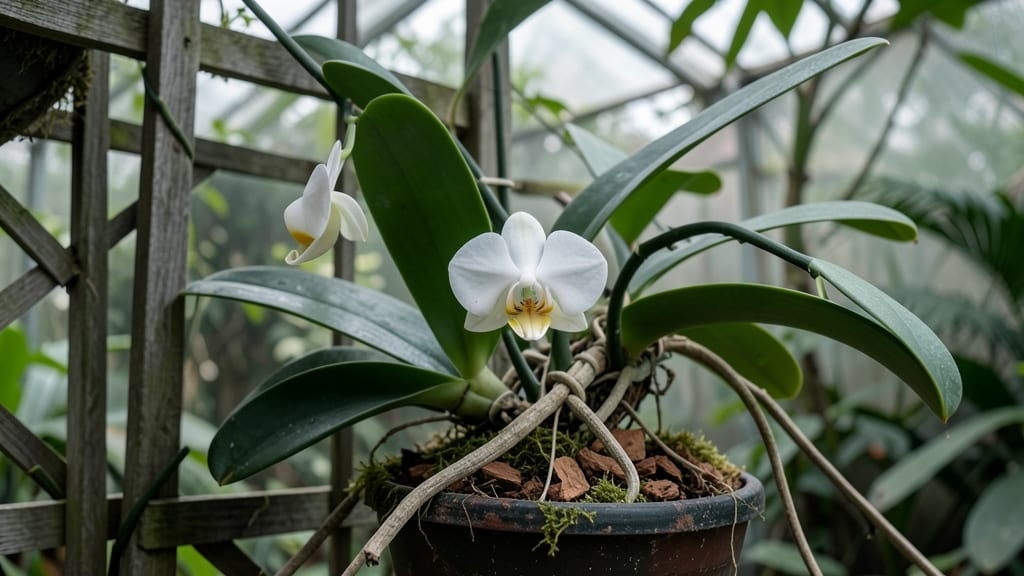
The vanilla bean's journey begins as a small, pale green orchid flower that blooms for just 24 hours before wilting. 🌸 When hand-pollinated by bees or humans using a tiny wooden stick, the fertilized flower transforms into a pod that starts growing vertically.
This initial stage is crucial because the pod's final shape—its signature twisted form—develops as it elongates unevenly, often bending slightly due to gravity and uneven seed distribution inside.
As the pod matures, its color shifts dramatically from bright green to a deep, glossy brown over 6-9 months of curing. This process involves drying the pods in the sun or using controlled heat to concentrate sugars and develop complex flavors.
The tiny black specks you see on the surface aren't imperfections—they're the thousand or more seeds embedded in the pod's leathery skin, each containing the bean's aromatic compounds. These seeds are what give vanilla its signature speckled appearance when split open.
The texture of a mature vanilla bean is surprisingly firm yet slightly flexible, like a well-worn leather wallet. 🌿 This papery skin isn't just for show—it protects the delicate seeds inside while allowing moisture to escape during curing.
When you run your fingers along the pod, you'll feel the subtle ridges where the seeds press against the skin. These ridges create a tactile pattern that's unique to each bean, much like a fingerprint, making every vanilla pod visually distinct.
What most people don't realize is that the bean's final appearance depends heavily on the orchid variety and growing conditions. Bourbon vanilla (from Madagascar) tends to have a darker, richer brown color compared to Tahitian vanilla, which often appears lighter with a more golden hue.
The curing method also plays a role—some beans are cured with hot water, while others use shade drying, resulting in different surface textures and sheens.
Here's what's actually happening during the color change: Chlorophyll breaks down as the pod dries, revealing the underlying brown pigments called tannins. These same tannins contribute to vanilla's flavor profile by reacting with sugars during cooking.
The darker the bean, the more concentrated these compounds become, which is why high-quality beans often have that deep, almost mahogany brown color.
If you've ever wondered why some vanilla beans look plump while others appear shriveled, it's all about moisture content. A properly cured bean should feel slightly moist but not sticky—this indicates it's been cured just right to preserve flavor without drying out completely.
The ideal moisture level also makes the skin slightly pliable, allowing it to bend without snapping, which is a good sign of freshness.
Pro tip: Look for beans with a slightly glossy sheen—this indicates natural oils are still present from the curing process. These oils are what carry vanilla's aroma, so a dull-looking bean might be older or improperly stored. 💫