
Pests and Diseases
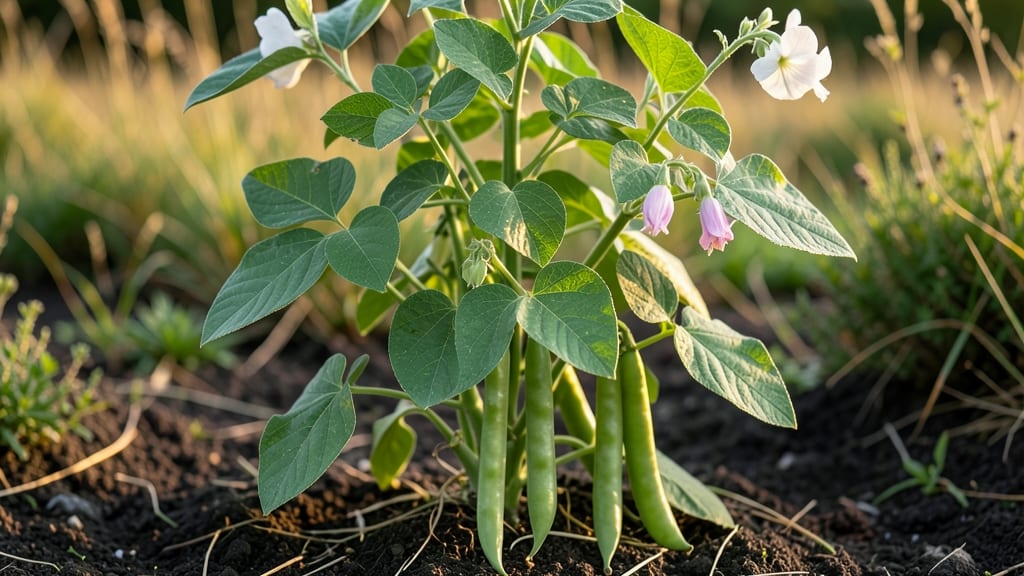
A greasy bean is a fungal disease that infects soybeans, creating dark, greasy-looking spots on pods and seeds that ruin harvest quality. This destructive pathogen thrives in warm, humid climates and spreads through contaminated plant debris or water splashes.
A greasy bean infection starts when the fungus Phomopsis invades soybean pods through tiny wounds or natural openings. 🔥 The disease gets its name from the shiny, oily lesions that form as the fungus grows, making pods unmarketable.
Unlike other soybean diseases, greasy bean often appears late in the season when humidity spikes, catching growers off guard. The fungus can survive in soil for years, making prevention critical for long-term crop health.
This disease isn't just about cosmetic damage—it directly impacts yield by reducing seed quality and weight. Farmers often notice infected pods first during harvest when they see the characteristic greasy sheen.
The key to managing greasy bean is early detection through regular field scouting, especially during warm, rainy periods when spores spread most aggressively.
💡 In This Article
- How Greasy Bean Fungus Attacks Soybean Plants
- Preventing and Treating Greasy Bean in Soybean Crops
How greasy bean fungus attacks soybean plants
The greasy bean disease is caused primarily by Phomopsis species, a group of fungi that specialize in infecting legumes. These pathogens enter soybean plants through natural openings like stomata or tiny wounds created by hail, insects, or mechanical damage.
Once inside, the fungus releases enzymes that break down plant cell walls, creating pathways for deeper infection. The characteristic greasy appearance comes from the fungus producing a thick, oily layer of spores that gives pods a shiny, wet look—even when dry.
Temperature and humidity are the key environmental triggers. Phomopsis spores germinate most aggressively between 77-86°F with relative humidity above 85% for extended periods. This explains why outbreaks often peak in late summer when heat and moisture combine.
Inside infected pods, you'll notice dark, sunken lesions that often appear water-soaked before developing the signature greasy sheen. The fungus can also produce white to gray mold growth on pod surfaces, which is a clear visual warning sign for farmers.
The disease progression follows a predictable pattern: initial infection occurs on young pods, then spreads inward as the fungus colonizes seed tissue. What makes greasy bean particularly damaging is how it affects seed quality—infected seeds often develop internal discoloration and reduced germination rates.
The fungus can survive in infected plant debris for up to 3 years in soil, creating a persistent infection source for future crops. This persistence is why fields with previous greasy bean outbreaks require special management strategies.
One fascinating aspect is how the fungus manipulates plant physiology. Phomopsis produces toxins that suppress the soybean's natural defense responses, allowing the infection to spread unchecked.
This biochemical warfare explains why conventional resistant varieties often struggle—some plants can detect the fungus but can't mount an effective defense against its toxin arsenal. The greasy appearance isn't just cosmetic; it's a visual indicator of the fungus's metabolic activity creating those oily compounds.
Field scouts should look for these specific symptoms during critical periods: pods with 1/4-inch dark lesions that feel slightly sunken, pods showing premature shriveling, and seeds with internal brown streaks when cut open.
The disease typically appears first on lower pods where moisture collects, then spreads upward as the season progresses. Understanding this progression helps farmers implement targeted control measures before the fungus gains a foothold.
What most growers don't realize is how quickly the fungus can move between plants. Rain splashes can carry spores up to 3 feet horizontally from infected debris, which is why maintaining clean field edges is crucial.
The fungus also produces airborne spores during humid conditions, making it a dual threat through both soilborne and airborne transmission pathways. This dual transmission capability makes greasy bean particularly challenging to control once established in a field.