
Diseases
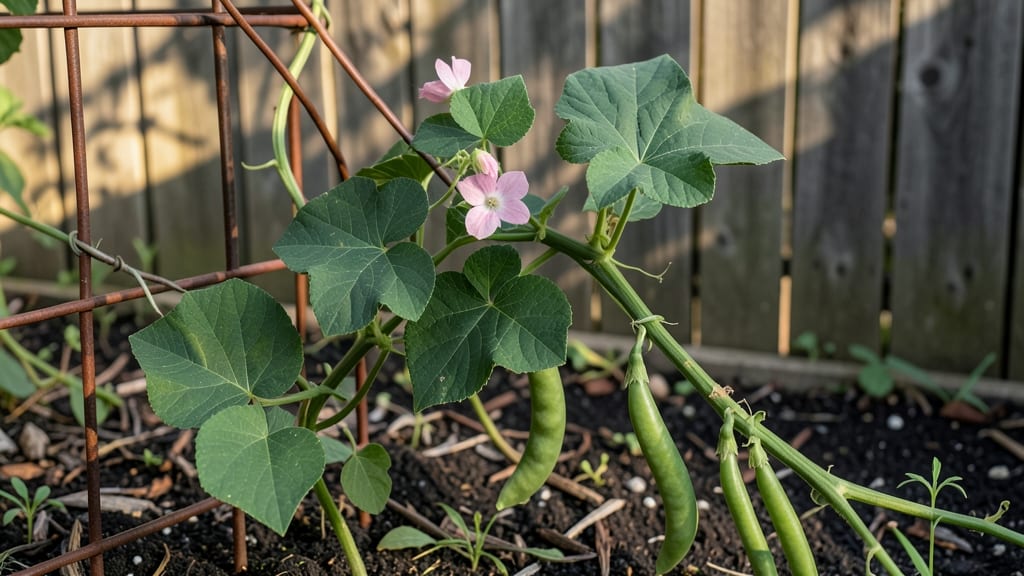
Beanstalk disease is a fungal infection caused by Fusarium solani or Rhizoctonia solani that attacks legumes, triggering sudden wilting, yellowing leaves, and stem rot by clogging their vascular system. Without prompt action, this disease can devastate entire crops.
This aggressive plant pathogen thrives in warm, moist conditions, making it a common threat in backyard gardens and commercial fields. 🌱 What starts as subtle wilting—even when soil appears damp—quickly escalates to brown, mushy stems and rotting roots.
I've seen entire rows of snap peas collapse within days if left unchecked. The key to saving your plants lies in catching these early warning signs before the fungus spreads through your soil.
Fungal spores lurk in contaminated soil, waiting for the right conditions—think overwatered beds or poor drainage—to launch their attack. Once established, they release toxins that disrupt the plant's ability to absorb water, leading to that classic "sudden droop" look.
The good news? Healthy soil practices like crop rotation and resistant varieties can dramatically reduce your risk of infection.
💡 In This Article
- How Beanstalk Fungal Disease Spreads and Damages Plants
- Early Detection and Organic Prevention Methods for Beanstalk
How beanstalk fungal disease spreads and damages plants
The beanstalk fungal disease begins when microscopic spores from Fusarium solani or Rhizoctonia solani land on plant roots or wounded stems. These spores germinate in moist conditions, producing thread-like structures called hyphae that penetrate plant tissues.
Once inside, they release enzymes that break down cell walls and clog the xylem vessels—the plant's water transport system—like tiny plugs in a pipe. This blockage prevents water and nutrients from reaching leaves, causing that telltale wilting even when soil moisture appears adequate.
The damage escalates rapidly because these fungi thrive in temperatures between 70-85°F and high humidity, common in summer gardens. You'll often notice dark, sunken lesions on stems (especially near soil level) that ooze a pinkish-brown slime when cut open—a classic sign of Fusarium infection.
Roots may appear blackened and mushy, while leaves yellow from the bottom up. In severe cases, entire plants collapse within 3-5 days of initial infection, leaving healthy-looking neighbors standing.
What makes this disease particularly insidious is its survival strategy. Fungal spores can persist in soil for years, waiting for susceptible hosts. They also spread through contaminated water, tools, or even plant debris.
For example, if you compost infected plant material without proper heat treatment (140°F for 1 hour), you're essentially creating a spore reservoir for next season's crops. The disease spreads fastest in poorly drained soils where roots stay saturated, creating the perfect anaerobic environment for fungal growth.
Here's what's happening at the cellular level: The fungus secretes mycotoxins that trigger programmed cell death in plant tissues, weakening structural integrity. This explains why stems become brittle and snap easily—a symptom gardeners often mistake for drought stress.
The vascular blockage also disrupts hormone transport, preventing the plant from sending distress signals that might trigger defensive responses. Without intervention, the infection spreads upward through the plant's vascular system like a silent invasion.
Consider these key factors that accelerate beanstalk progression:
- Moisture levels: Soil moisture above 60% capacity creates ideal conditions for spore germination
- Temperature: Optimal growth occurs between 75-85°F—common in late summer
- Plant stress: Drought-stressed or nutrient-deficient plants are 3x more susceptible to infection
- Soil pH: Acidic soils (pH 5.5 or lower) inhibit beneficial microbes that compete with fungi
The visual progression starts with subtle leaf curling, followed by yellowing between veins (interveinal chlorosis), then complete wilting despite adequate water. What most gardeners miss is checking the stem base—this is where the first lesions appear, often hidden beneath soil or mulch.
The disease's rapid progression makes it particularly devastating in container gardens where roots have limited space to escape infection.