
Container Gardens
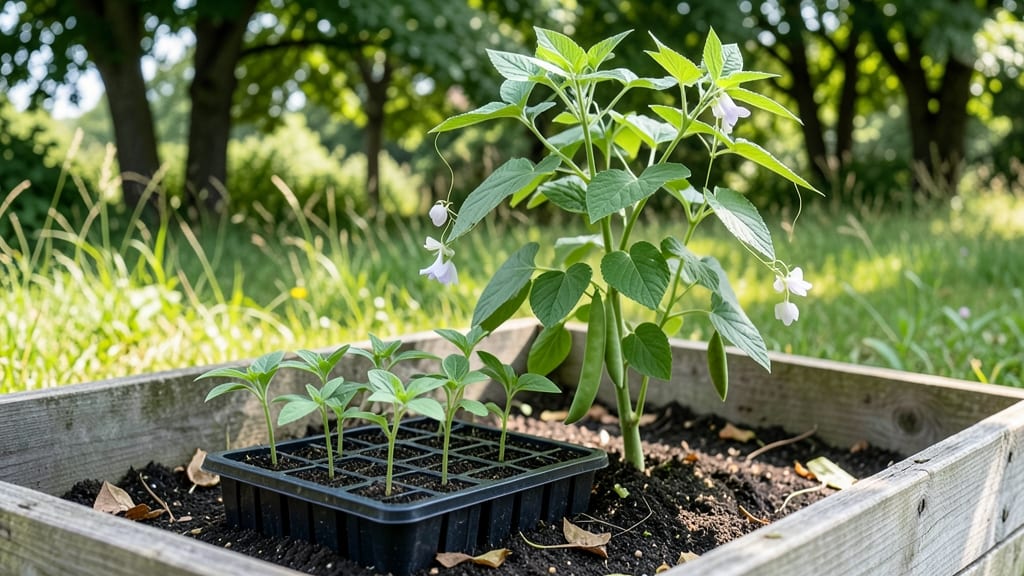
Choosing what size pot for green beans depends on their growth habits—bush varieties thrive in 5-gallon containers, while pole beans need at least 10 gallons to climb and produce properly.
Picture this: you’ve spent weeks nurturing your 🌱 green beans, only to watch them sprawl against the pot’s edges or produce tiny, underdeveloped pods. The culprit? A container that’s either too shallow or too cramped.
Pot size isn’t just about fitting the plant—it’s about giving roots the room to breathe and vines the support they need to reach their full potential.
Most gardeners overlook how quickly green beans can outgrow their containers, especially pole varieties that can stretch 6 feet tall. A pot that’s too small leads to stunted growth, fewer harvests, and plants that struggle to absorb nutrients.
Meanwhile, oversized containers waste space and moisture, inviting root rot. The key is balancing depth, diameter, and material—terracotta for breathability, fabric for weight, or plastic for affordability—while accounting for drainage and companion plants.
In this guide, I’ll break down the exact pot dimensions for bush vs. pole beans, how to spot signs of overcrowding, and pro tips for maximizing yield—no guesswork, just actionable rules to turn your container garden into a green bean powerhouse.


Minimum pot depth requirements for bush vs. pole green beans
Choosing the right pot size for your green beans isn't just about fitting them in—it's about giving their roots the space they need to thrive. Bush beans and pole beans have different growth habits, which means their container requirements vary significantly.
I've learned from experience that cramming plants into shallow pots leads to stunted growth, fewer beans, and stressed plants. Let's break down the exact dimensions you need for each variety to maximize your harvest.
For bush beans, which stay compact and bushy, you might think a shallow container would suffice. But their roots spread wider than you'd expect, and they need at least 10-12 inches of depth to support their growth.
The key is balancing depth with diameter—too narrow, and the roots compete for space. I always aim for a pot that's at least 12 inches in diameter for bush varieties, giving each plant enough room to spread its roots without crowding.
Now, if you're growing pole beans, you're dealing with a different beast entirely. These vines can climb 6-8 feet tall, and their roots need to dig deep to support that vertical growth.
A 16-20 inch deep pot is the minimum for pole beans, with a diameter of at least 12 inches. I've seen firsthand how pole beans in shallow pots struggle to stabilize themselves, leading to floppy vines and poor yields.
The deeper the pot, the more stable and productive your pole beans will be.
Here's why depth matters so much for pole beans: their root systems extend downward to anchor the plant and access nutrients. In shallow pots, the roots circle and become root-bound, which stresses the plant and reduces bean production.
I always recommend using fabric grow bags or deep wooden planters for pole beans—they provide the vertical space these climbers crave.
| Bean Type | Minimum Depth | Minimum Diameter | Root System | Best Pot Material |
|---|---|---|---|---|
| Bush Beans | 10-12 inches | 12 inches | Shallow but wide | Terracotta or plastic |
| Pole Beans | 16-20 inches | 12-14 inches | Deep and extensive | Fabric or wooden |
| Key Consideration | ||||
| Add 2-3 inches of drainage material (gravel or broken pottery) to prevent root rot | ||||
When calculating pot size, don't forget to account for multiple plants in a single container. For bush beans, you can fit 2-3 plants per 12-inch pot, but only if the pot is at least 18 inches in diameter.
With pole beans, I stick to 1 plant per 16-inch deep pot—any more, and they'll compete for nutrients and space. I've tried squeezing two pole beans into a deep pot, and the results were disappointing: both plants grew slowly and produced fewer beans.
Another critical factor is the material of your pot. Terracotta pots are great for bush beans because they dry out faster, which prevents overwatering. However, they can dry out too quickly for pole beans in hot climates.
For pole beans, I prefer fabric grow bags or plastic containers—they retain moisture longer and provide better insulation for roots. I've also had success with wooden planters, which add a rustic charm to my garden while keeping roots cool.
Let me share a pro tip: if you're using a raised bed or large container, you can grow both bush and pole beans together. Place the pole beans along the edges where they can climb a trellis, and tuck bush beans in the center.
This interplanting strategy maximizes space and creates a beautiful, productive garden. Just make sure the container is at least 18 inches deep to accommodate both varieties.
One mistake I see often is using pots that are too wide but not deep enough. A 14-inch diameter pot that's only 8 inches deep might look spacious, but it's a disaster for both bush and pole beans.
The roots need depth to grow properly, and shallow pots lead to root circling, where roots grow in circles instead of downward. This restricts nutrient uptake and stunts growth. Always prioritize depth over width when choosing containers for green beans.
Finally, consider adding a trellis or cage to your pole bean pots. This isn't just for aesthetics—it gives the vines something to climb, which encourages upward growth and prevents the plant from toppling over.
I use metal cages or bamboo trellises in my deep pots, and it makes a world of difference in the stability and productivity of my pole beans. With the right pot depth and support, you'll be harvesting long, straight beans all season long.
Remember, the goal is to mimic the natural growing conditions of green beans as closely as possible. In the ground, their roots spread deep and wide. By providing the right pot size, you're giving them the space they need to thrive in containers.
With these guidelines, you'll be well on your way to a bountiful green bean harvest, whether you're growing bush or pole varieties. Happy planting! 🌱
How to choose the right pot size for maximum green bean yield
Selecting the perfect pot for your green beans isn't just about depth—it's about creating an environment where roots can thrive. I've learned that drainage holes and material choice play just as critical a role as dimensions.
For example, terracotta pots breathe better but dry out faster, while fabric grow bags retain moisture longer but may overheat in summer.
Beyond basic measurements, consider how many plants you'll fit in each container. A 5-gallon pot can comfortably hold 3-4 bush bean plants, but pole beans need more vertical space.
I've seen gardeners double their yield by using tall, narrow containers for pole varieties, giving vines room to climb while keeping roots contained.
🌱 Key Takeaway: Ideal Pot Specifications for Green Beans
• Depth: 10-12"
• Diameter: 12-15"
• Material: Terracotta or fabric
• Depth: 18-24"
• Diameter: 8-10"
• Material: Fabric or plastic
When assessing existing containers, I always check three things: drainage capability, material breathability, and stability. Heavy terracotta pots stay upright in wind but may crack in freezing temperatures, while lightweight plastic pots are portable but can trap excess heat.
I recommend using fabric grow bags for pole beans—they allow roots to breathe while preventing overheating.
For multi-plant configurations, space is everything. I've found that 3-4 inch spacing between bush bean plants prevents competition, while pole beans need 6-8 inch spacing to support their climbing habits.
A clever trick? Use stackable containers to maximize vertical space in small gardens. This works especially well for urban balconies where floor space is limited.
Don't overlook the importance of soil volume. A pot that's too small will lead to root-bound plants that produce fewer beans. I test soil volume by filling the pot with water—if it drains completely in under 30 minutes, the pot is likely too small.
For maximum yield, aim for pots that hold at least 3 gallons per plant, especially for pole varieties.
Remember that seasonal adjustments matter too. In hot climates, I increase pot size by 25% to compensate for faster drying. Conversely, in cooler regions, slightly smaller pots work fine. The key is observing your plants—yellowing leaves often signal either overwatering or root restriction. Adjust accordingly!