
Plants
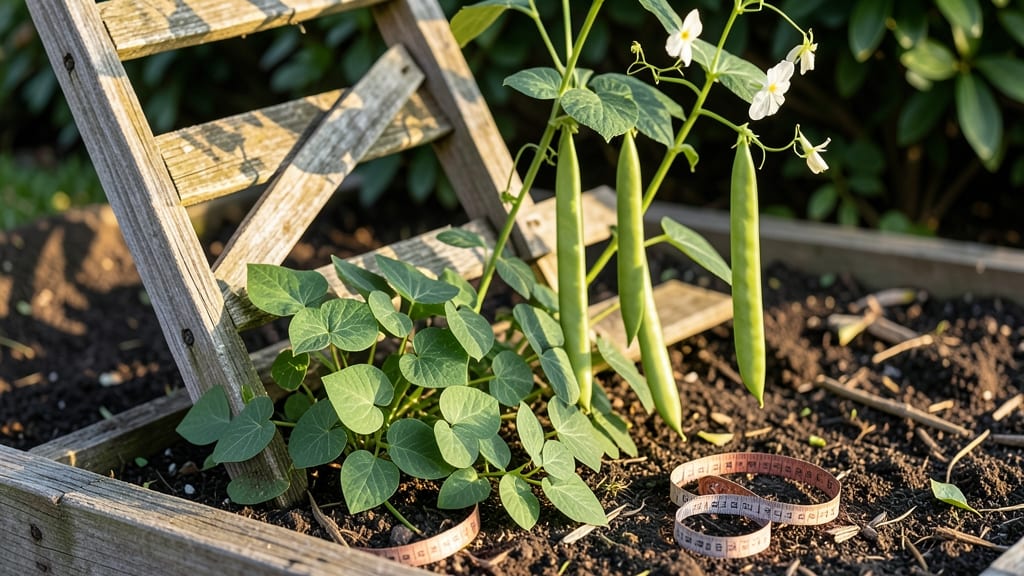
Green bean plants grow anywhere from 1 foot to 10 feet tall, depending entirely on whether you’re growing bush or pole varieties — and that difference changes how you plan your garden layout.
Picture this: one year you’re wrestling with 6-foot vines that need a trellis, and the next you’re harvesting from neat, 2-foot-tall bushes that fit perfectly in a small plot. The choice isn’t just about space—it’s about how much you’re willing to climb (or not) for those fresh pods.
Bush beans stay compact, making them ideal for containers or tight spaces, while pole beans reach skyward, saving ground but requiring support.
Below, I’ll break down the exact heights for each type, how sunlight and soil affect their growth, and the simple tricks to keep them thriving without taking over your yard.
You’ll also find out how to space them properly, when to prune for better yields, and why some varieties grow taller in warmer climates. No guesswork—just clear, actionable advice to get the most from your green bean patch.


Green bean plant heights: dwarf vs pole varieties compared
When planning your garden, green bean plant height can make or break your layout. Some varieties stay neatly contained under 2 feet, while others shoot up like jungle vines, reaching 10 feet or more.
The difference comes down to two main types: bush (dwarf) and pole varieties. Understanding these heights helps you maximize space and productivity.
Bush beans, also called dwarf beans, are the compact champions of the garden. They typically mature between 1 to 3 feet tall, making them ideal for small spaces, containers, or tight rows.
Their upright growth habit means they don’t sprawl, but they also produce fewer pods than their taller cousins. If you’re short on vertical space, these are your go-to.
On the other end of the spectrum, pole bean varieties are the vertical powerhouses. These climbers can reach 6 to 10 feet tall with proper support, turning a small footprint into a high-yielding harvest.
They require trellises, stakes, or cages but reward you with continuous production throughout the season. Their vining nature also makes them great for small-space gardens or urban balconies.
Here’s the game-changer: Pole beans produce more pods per plant because their energy isn’t split between upright stems and sprawling vines. Meanwhile, bush beans mature faster (often in 50–60 days) and are perfect for succession planting. Your choice depends on your garden’s layout, timeframe, and how much vertical real estate you’re willing to dedicate.
If you’re working with a small garden, dwarf varieties like Blue Lake Bush or Contender are your best bet. They stay under 2 feet and thrive in 5-gallon containers or tight rows.
For larger plots or vertical gardening, pole beans like Kentucky Wonder or Rattlesnake can climb 8–10 feet with the right trellis, saving ground space while boosting yield.
One common mistake is underestimating the space needed for pole beans. Without proper support, they’ll sprawl like wild vines, choking out nearby plants. Always install trellises or stakes at planting time—retrofitting support later can damage roots.
For bush beans, overcrowding leads to poor air circulation, increasing the risk of fungal diseases like rust.
For container gardening, choose dwarf varieties or use compact pole beans like Blue Lake Pole, which max out at 5–6 feet. Place containers near a trellis or fence to guide their growth upward.
If you’re new to pole beans, start with a 5-foot trellis—most varieties won’t exceed this height unless given extra encouragement.
Pro tip: Mulch around your green beans to retain moisture and suppress weeds. For tall varieties, use sturdy trellises (like powder-coated metal cages) to handle the weight of heavy vines. And remember—harvest regularly to encourage more production, whether you’re growing dwarf or pole types.
🌱
Best green bean varieties ranked by height and garden suitability
Choosing the right green bean variety depends on your garden space and growing goals. Dwarf varieties stay under 2 feet tall, perfect for containers or small plots, while pole beans can reach 10+ feet when trellised.
Let’s explore the best options for every garden size, from urban balconies to sprawling backyards.
Most gardeners prioritize height control to maximize space efficiency. Bush beans like 'Blue Lake' mature at just 18-24 inches, while 'Kentucky Wonder' pole beans can climb 8-10 feet. Your choice impacts everything from trellis needs to harvest frequency—so let’s break down the top performers by category.
For small spaces or containers, try 'Mascotte' or 'Blue Lake Bush'—both stay under 2 feet tall and produce high yields in just 50 days. These varieties thrive in 5-gallon pots with minimal care, making them ideal for patios or balconies.
If you have moderate garden space, consider semi-dwarf varieties like 'Contender' (3-4 feet) or 'Blue Lake Pole' (6 feet). These offer a balance between space efficiency and harvest volume, perfect for trellises or small fence lines.
For large gardens or vertical growing, pole beans like 'Kentucky Blue' or 'Rattlesnake' can reach 8-10 feet. These varieties produce continuous harvests all season but require sturdy trellises or cages. Spacing them 4-6 inches apart ensures airflow and prevents disease.
Pro tip: Pole beans often outperform bush beans in yield—sometimes producing 2-3x more pods per plant. If space allows, they’re the clear winner for high-volume gardens. Just be prepared for their vertical growth habit!