
How To
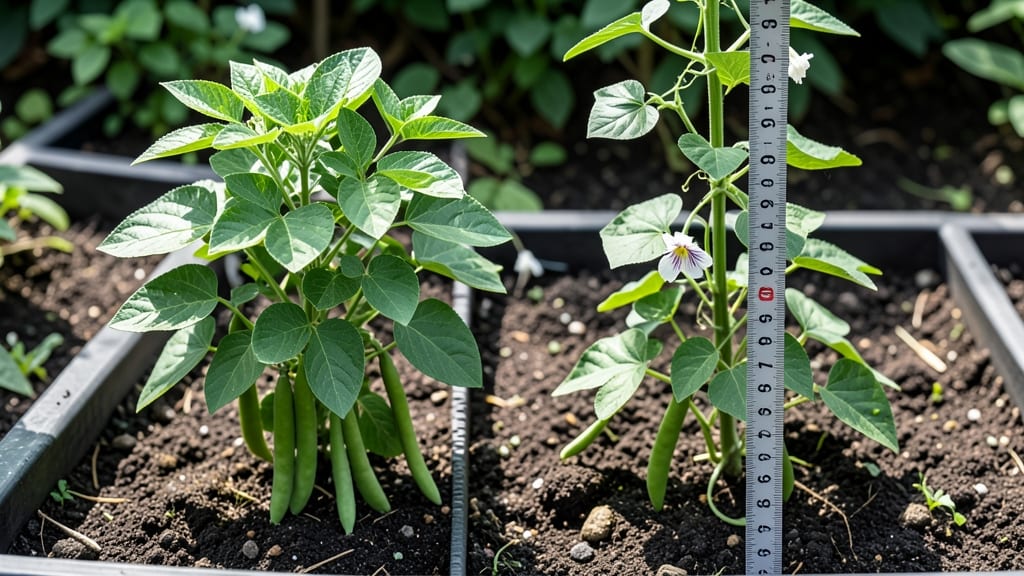
Green beans grow anywhere from 1 to 8 feet tall, depending on the variety you choose—and that difference can completely change how you plan your garden.
Picture this: one year, you plant a compact bush variety in a small pot, only to watch it sprawl into a tangled mess because you didn’t realize it needed a trellis.
The next year, you pick a pole variety that climbs to 6 feet, turning your fence into a vertical harvest station. The right choice saves space, time, and frustration.
Bush beans stay low (12 to 36 inches), perfect for containers or tight spaces, while pole beans reach 5 to 8 feet, ideal for trellises or fences.
Below, I’ll break down the height differences, spacing tips, and how to pick the best variety for your garden layout—so you can avoid last year’s mistakes.
You’ll also learn how sunlight, soil, and even pruning can tweak your beans’ height, plus a 3-step spacing guide to maximize your harvest without overcrowding. Let’s get growing!


Green bean height by variety: compact vs. vining types compared
Green beans aren’t one-size-fits-all when it comes to height—some stay neatly compact while others climb like jungle vines. The difference between bush beans (compact) and pole beans (vining) can transform your garden layout.
Bush beans typically reach 12–24 inches tall, making them ideal for small spaces, while pole beans can soar up to 6–8 feet with proper support. Choosing the right type depends on your space, sunlight, and how much you want to invest in trellising.
I’ve grown both types in my garden, and the height differences are night-and-day. Bush beans produce pods all along their stems, while pole beans focus their energy upward, yielding more beans per plant but requiring vertical space.
If you’re working with limited room, compact varieties save space without sacrificing productivity. For larger gardens or trellises, pole beans maximize vertical growing potential.
Here’s a quick comparison of the top 5 green bean varieties by height, so you can pick the perfect fit for your garden:
| Variety | Type | Height Range | Space Needs | Best For |
|---|---|---|---|---|
| Blue Lake Bush | Bush | 12–18 inches | 3–4 inches apart | Containers, small gardens |
| Kentucky Wonder | Pole | 6–8 feet | Trellis or fence support | Vertical gardens, large plots |
| Contender | Bush | 18–24 inches | 4–6 inches apart | Raised beds, small yards |
| Rattlesnake | Pole | 8–10 feet | Tall trellis or pergola | Large gardens, fences |
| Mascotte | Bush | 15–20 inches | 3–4 inches apart | Balconies, containers |
If you’re growing bush beans, focus on spacing—these varieties thrive when planted 3–6 inches apart in rows 18–24 inches apart. They don’t need trellises but benefit from well-draining soil and 6+ hours of sunlight.
My Blue Lake Bush plants produced 20 pods per plant in a 5-gallon container last summer, proving compact doesn’t mean low-yield.
For pole beans, height isn’t just about space—it’s about support structures. A sturdy trellis, fence, or even a DIY bamboo teepee will keep vines from sprawling. Kentucky Wonder, for example, can produce 30–40 pods per plant when given proper vertical support.
I’ve seen them climb 8 feet in just 60 days with consistent watering and a balanced fertilizer like 10-10-10.
Soil quality plays a huge role in height. Poor soil can stunt growth, while rich, compost-amended soil encourages taller, healthier plants. I always mix in aged compost before planting, which helps both bush and pole beans reach their full potential.
Overcrowding is another height killer—give plants room to breathe, or you’ll end up with shorter, weaker stems and fewer pods.
Sunlight is non-negotiable for both types. Pole beans especially need full sun to climb efficiently, while bush beans can tolerate slight shade but produce best in 6+ hours of direct sunlight daily.
Last year, my pole beans in partial shade grew 30% shorter than those in full sun. If your garden has shady spots, opt for bush varieties like Mascotte or consider a reflective surface
How to choose green bean varieties based on your garden space
Not all green beans are created equal—some stay neatly tucked into containers while others climb like jungle vines. If you're working with a balcony garden, a raised bed, or a sprawling backyard, selecting the right variety can save you from tangled messes and maximize your harvest.
The key? Matching your space constraints to the plant's mature height and growth habit.
For example, bush beans like 'Blue Lake' top out at just 18–24 inches, making them perfect for small spaces, while pole beans like 'Kentucky Wonder' can reach 6–8 feet, requiring trellises or sturdy supports.
Let’s break down how to plan your garden layout based on your available space, so you can grow green beans without sacrificing style or yield.
- 🌱 12–18"
- 🌿 18–24"
- 🪴 24–36"
- 🌳 4–6 ft
- 🪴 6–8 ft
How tall does green beans grow? It depends on the variety:
- Dwarf varieties (e.g., 'Mascotte') – Ideal for containers or small pots (12–18").
- Bush beans (e.g., 'Blue Lake') – Perfect for raised beds (18–24").
- Semi-bush varieties (e.g., 'Contender') – Fit in small yards (24–36").
- Pole beans (short) (e.g., 'Blue Lake Pole') – Need trellises (4–6 ft).
- Pole beans (tall) (e.g., 'Kentucky Wonder') – Best for large plots (6–8 ft).
If you're growing in containers, opt for dwarf varieties like 'Mascotte' or 'Golden Wax'. These stay under 18 inches tall and thrive in 5-gallon pots with proper drainage.
For raised beds, bush beans like 'Blue Lake' or 'Roma' are ideal—they stay compact but produce abundantly without needing vertical support.
For those with limited vertical space but want to maximize yield, consider semi-bush varieties like 'Contender' or 'Blue Lake Bush'. These grow 24–36 inches tall and can be lightly trellised to save space.
If your garden has a trellis or fence, pole beans are a game-changer—they produce more pods per plant and save ground space.
Here’s a quick space-planning checklist to narrow down your choices: ☑️ Measure your growing area (width, height, depth). ☑️ Decide if you’ll use containers, raised beds, or in-ground planting. ☑️ Check sunlight exposure—full sun (6+ hours) is a must for all varieties. ☑️ Choose dwarf or bush beans for small spaces, pole beans for vertical growing. ☑️ Plan spacing: 4–6 inches apart for bush beans, trellis support for pole beans.
Pro tip: If you're unsure, start with a mix of bush and pole beans. Bush beans give you early harvests, while pole beans keep producing all season. Just be sure to stake or trellis pole varieties early to avoid flopping plants and tangled vines.
With the right variety, even a tiny balcony can yield a bountiful harvest!