
Picking
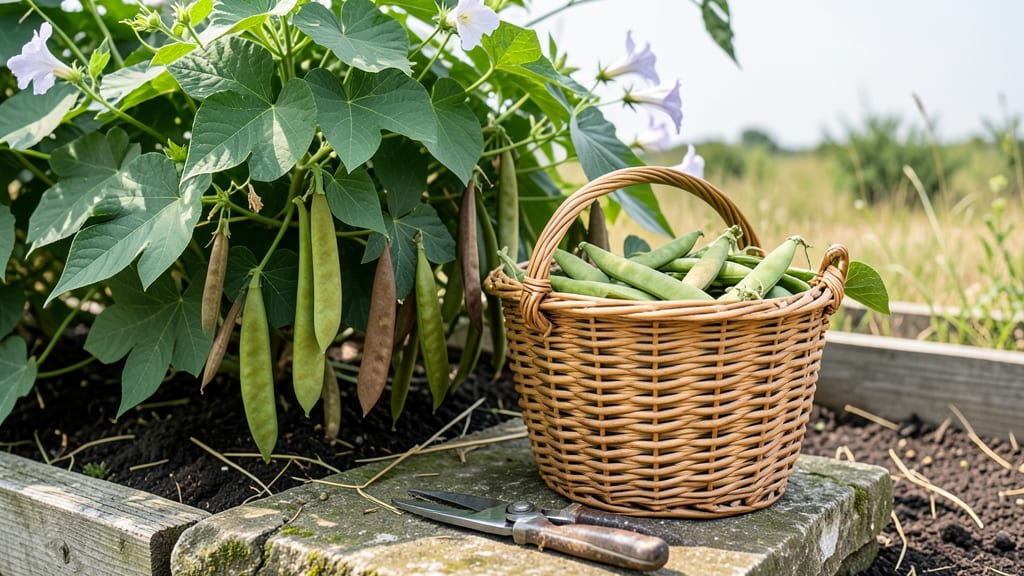
Lima beans are ready to pick when pods reach 4 to 6 inches long and turn a slightly yellowish-green 🌱—this is the sweet spot for buttery, tender flavor before they toughen up.
Picture this: you’ve nurtured your plants all season, and now the moment of truth arrives. One wrong move, and you’re left with mealy pods that taste like disappointment. The good news? With just a few simple checks—size, color, and firmness—you’ll never miss the perfect harvest window again.
Most gardeners focus on pod length, but color and texture are just as critical. A pod that’s too small or still bright green won’t have developed its full flavor, while waiting too long means tough skins and shriveled insides.
Below, I’ll break down the exact cues to watch for, plus how often to check your plants for continuous production.
Whether you prefer baby lima beans or full-sized pods, timing is everything. By the end of this guide, you’ll know exactly when to reach for those shears—so you can enjoy a harvest that’s sweeter, fresher, and more productive than ever before.

Lima bean pod size guide: exact measurements for harvesting at peak flavor
Harvesting lima beans at the perfect moment transforms your garden into a flavor factory—creamy, tender pods packed with sweetness.
But timing is everything! Baby lima beans (like Henderson or Fordhook) should be picked when they're just 2-3 inches long, while dinner lima beans (such as King of the Garden) shine at 4-5 inches.
Large lima beans, like Christmas or Sieva, need that extra time to reach 5-6 inches for maximum texture and taste.
Don’t let those pods grow past their prime! Overripe lima beans develop tough skins and mealy interiors, ruining their buttery texture. The key is consistent checking—especially for bush varieties that produce all at once. Pole beans give you a longer window, but even they demand attention.
I’ve learned the hard way that skipping harvests leads to shriveled, unappetizing pods—so grab those pruners and make it a habit!
Here’s the visual guide you need to master lima bean harvesting. Each variety has distinct size and color cues that signal peak readiness. Pay close attention to these pod measurements, as they’re your ticket to garden-fresh perfection.
For baby lima beans, think of them like snap peas—tiny but mighty.
They’re ready when they’re 2-3 inches long and still bright green, with seeds so small you can barely see them through the pod. Dinner lima beans are the Goldilocks of the group: not too big, not too small.
Aim for 4-5 inches with a yellow-green hue and a firm snap when pinched. These are the ones that’ll wow you with their creamy texture when cooked.
Large lima beans take the longest to mature, but they’re worth the wait. Look for pods that are 5-6 inches long with a duller, yellowish-green color. The skin should feel thick and slightly leathery—this indicates they’ve reached maturity.
Inside, the seeds should be plump and firm, not shriveled or rock-hard. If you’re growing Christmas lima beans, this is their peak moment!
Pro tip: Use a ruler or measuring tape for accuracy, especially if you’re new to lima bean gardening. I keep one in my gardening apron pocket for quick checks. Morning harvests are ideal because pods are firmer after the dew dries.
And always use clean pruners to avoid damaging the plant or spreading disease.
One mistake I made early on was waiting too long to harvest my Fordhook baby limas.
By the time I noticed their size, the pods had turned tough and the seeds inside were nearly fully formed. Never let lima beans stay on the vine past their prime—they’ll toughen up fast! For continuous harvests, pick every 2-3 days during peak production.
If you’re unsure whether a pod is ready, squeeze it gently. A ready-to-pick lima bean should feel firm with just a hint of crispness, like a well-ripened cucumber. If it feels soft or mushy, it’s past its prime.
And if it’s still bright green with no size to speak of? It’s not ready yet. Color and firmness are your best friends when judging lima bean readiness.
For pole lima beans, check the lower pods first—they mature earliest. Bush varieties tend to ripen all at once, so be prepared for a harvest bonanza! And if you’re growing heirloom varieties, like Sieva, expect slightly larger pods.
Always refer to the seed packet for variety-specific guidelines, as some can vary by 1 inch or more in size.
Remember: Harvesting lima beans regularly encourages more production. The more you pick, the more your plants will reward you with tender, flavorful pods. And when you finally taste that first homegrown lima bean—buttery, sweet, and perfectly textured—you’ll know you’ve mastered the art of timing. Happy harvesting!
3 Key signs your lima beans are ready to pick (beyond just size)
Size matters, but it’s not the only clue when harvesting lima beans. Many gardeners focus solely on pod length, missing subtle visual cues that signal peak readiness. These hidden indicators—like seed visibility and plant behavior—can transform your harvest from mealy disappointments to tender, buttery perfection.
Beyond the standard 4-6 inch rule, pay attention to how your plants behave and what the pods reveal about their maturity. Ignoring these signs often leads to either underripe pods (too soft) or overmature beans (tough skins).
Let’s uncover the three key signs that confirm your lima beans are primed for picking.
- 1. Pod Color Shift: Look for a yellowish-green tint (not bright green). This signals sugar development in the pods, making them sweeter and more flavorful.
- 2. Seed Visibility: Hold the pod up to light—seeds should be plump but not hardened. If you see darkened or enlarged seeds, the pod is past its prime.
- 3. Plant Behavior: Check for new pods forming at the top while lower pods mature. This means your plant is focusing energy on new growth, not sustaining old pods.
Don’t wait until pods turn fully yellow—that’s a late-stage sign of overripeness. By then, the skins toughen, and the beans inside lose their creamy texture. Instead, act when you spot the subtle yellow-green hue mentioned above, combined with firmness when pressed.
Another pro tip: Harvest in the morning when pods are cool and crisp. This ensures the best flavor retention and makes shelling easier. If you’ve missed the window, overripe pods can still be used for dried beans, but they’ll lack the tender appeal of freshly picked ones.
For continuous production, pick every 2-3 days during peak season. This encourages your plants to keep producing new pods instead of letting them overmature on the vine. Regular harvesting also reduces pest pressure, as healthy plants with fresh pods are less appealing to bugs.
Remember: Size alone isn’t enough. Combine pod length, color, seed development, and plant behavior for the perfect harvest. With these signs in mind, you’ll enjoy homegrown lima beans at their peak—tender, flavorful, and ready for your favorite recipes.