
Vegetables
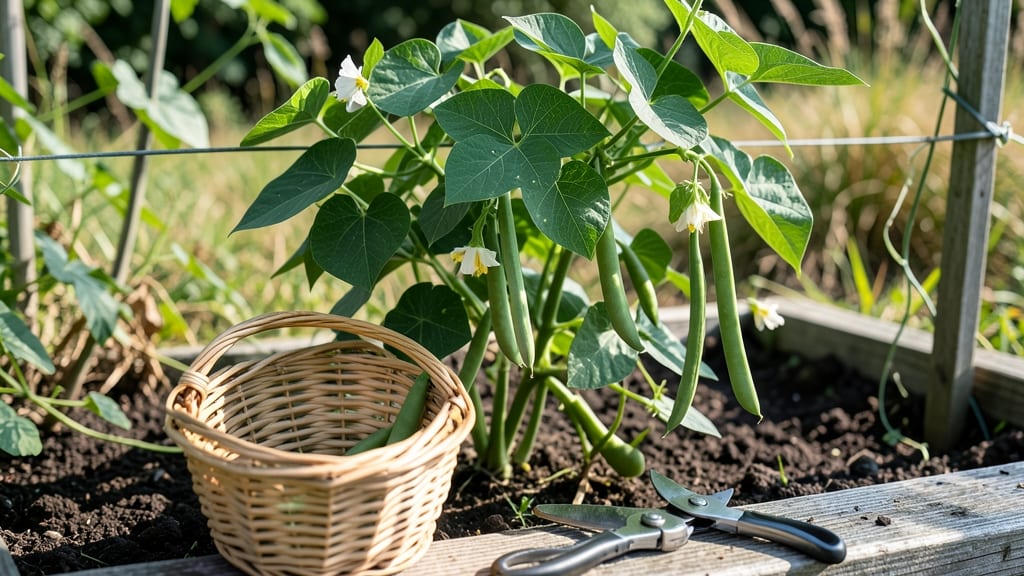
Green bean season arrives between July and September in most of the U.S., but the exact timing depends on whether you're in a warm southern zone or a cooler northern one.
If you’ve ever wondered why your local grocery store’s green beans disappear for months at a time, the answer lies in nature’s planting calendar—and it varies wildly across the U.S. Knowing the exact green bean harvest season for your zone means never missing fresh, homegrown pods again.
In USDA Zone 6 (where many gardeners live), planting in April or May after the last frost sets the stage for a harvest that peaks in July and stretches into early fall.
But in warmer zones like Florida or Texas, gardeners can plant as early as February and enjoy beans all year long.
Below, I’ll break down the precise harvest windows by zone, share tips for extending your season with succession planting, and explain why some years your beans might not show up on schedule.
Green bean harvest seasons by USDA hardiness zones (exact months)
Green beans thrive in warm weather, but their harvest windows shift dramatically depending on your USDA hardiness zone. Whether you grow bush beans (compact) or pole beans (vining), timing is everything.
In cooler zones, you’ll harvest earlier in the season, while warmer climates may enjoy two harvest cycles per year. Let’s break down the exact months for peak green bean production in every zone.
Most gardeners plant green beans after the last frost when soil temperatures reach 60°F or warmer. This timing varies by zone—from early spring in Florida to late spring in Minnesota.
The key is aligning your planting with your zone’s frost-free days, which determines how long your plants have to mature before cold snaps arrive.
Here’s the exact harvest timeline by USDA zone, including early, mid, and late-season windows for both bush and pole varieties:
| USDA Zone | Planting Window | Bush Bean Harvest | Pole Bean Harvest | Notes |
|---|---|---|---|---|
| 3-4 (Alaska, Northern Canada) | Late May - Early June | Late July - Early August | Mid-August - Early September | Short season; use fast-maturing varieties like 'Blue Lake' |
| 5-6 (Northern Midwest, Pacific Northwest) | Mid-April - Mid-May | Early July - Mid-August | Late July - Late September | Pole beans produce longer; succession plant every 2 weeks |
| 7-8 (Northeast, Midwest, West Coast) | Early April - Early June | Late June - Mid-September | Mid-July - October | Ideal for two plantings: spring and late summer |
| 9-10 (Southern California, Deep South) | February - March & August - September | April - May & October - November | May - June & September - December | Two harvest seasons possible; avoid summer heat stress |
| 11-12 (Florida, Hawaii, Puerto Rico) | Year-round (staggered) | March - April & September - October | April - May & October - November | Heat-tolerant varieties like 'Contender' perform best |
In zones 3-4, where summers are short, focus on early-maturing varieties like 'Provider' or 'Kentucky Wonder.' These bush beans can go from seed to harvest in just 50-55 days, giving you a quick bounty before frost.
For pole beans, which take longer (60-80 days), start seeds indoors 4-6 weeks before your last frost date.
Gardeners in zones 5-8 enjoy the longest harvest windows. Here, you can plant bush beans every 2 weeks from spring until early summer for a continuous supply. Pole beans, with their extended vines, produce for 6-8 weeks once established.
In my Zone 6 garden, I’ve found that planting pole beans in early June yields pods until late September—just in time for canning or freezing!
For zones 9-12, the secret is succession planting during cooler months. Avoid planting in peak summer (June-August) when temperatures exceed 90°F, as this causes flower drop and poor pod set. Instead, aim for spring and fall plantings, using heat-tolerant varieties like 'Blue Lake' or 'Rattlesnake.'
Pro tip: Harvest green beans frequently—every 2-3 days—to encourage more production. Overripe pods toughen and lose flavor, so check your plants daily during peak harvest. Store fresh-picked beans in the fridge for up to 5-7 days, or blanch and freeze for long-term storage.
With the right timing, you can enjoy homegrown green beans from late spring to early fall in most zones!
🌱
How to extend your green bean season with succession planting
Green beans thrive on consistency, but their natural 60-day harvest window can feel painfully short. The key to a never-ending supply? Succession planting—a gardening superpower that lets you harvest fresh pods for months instead of weeks.
Whether you're in Zone 5 or Zone 9, staggered plantings mean your kitchen table stays stocked with crisp, homegrown beans long after your neighbors' gardens go silent.
This technique works by planting new seeds every 2-3 weeks throughout the growing season. For cool climates, start with early varieties in spring, then switch to heat-tolerant types as temperatures rise.
In warm zones, you can even plant fall crops for a late-season harvest. The secret? Timing your plantings to match soil temperatures and daylength cues that trigger germination.
- 🌱 Step 1: Plant first batch 2-3 weeks after last frost when soil reaches 60°F+ (use a soil thermometer).
- 🌱 Step 2: Add new seeds every 10-14 days for 6-8 weeks in spring, then switch to heat-tolerant varieties (like 'Contender' or 'Blue Lake').
- 🌱 Step 3: For fall harvests, plant 8-10 weeks before first frost—aim for soil temps of 70°F+ to ensure germination.
- 🌱 Step 4: Use companion plants like corn or radishes to mark planting rows and improve soil structure.
- 🌱 Step 5: Harvest regularly (every 2-3 days) to trigger bush varieties to produce new pods.
Don't overlook the power of microclimates in your garden. A sunny south-facing bed warms up faster in spring, letting you plant earlier than the rest of your yard. Similarly, raised beds stay 5-10°F warmer than in-ground soil, extending your planting window by 2-3 weeks.
I once added a black plastic mulch to my raised beds in Zone 6 and pushed my first planting back by 10 days—a game-changer for early harvests!
For pole beans, which produce for 3-4 weeks longer than bush types, succession planting becomes even more valuable. Install your trellis at the same time as your first planting, then add new seeds every 2 weeks alongside the climbing plants.
The vertical space maximizes yield while keeping your garden organized. Pro tip: Use bamboo stakes for support—they're lightweight, affordable, and blend seamlessly into cottage gardens.
In warm climates (Zones 8-10), the real magic happens in fall. Plant heat-tolerant varieties like 'Black Valentine' or 'Rattlesnake' in late summer (August-September) for harvests that last until first frost.
These beans handle 90°F+ soil temps better than standard varieties, giving you a second chance at a bountiful harvest. Just be prepared to water deeply during dry spells—these late-season plants need consistent moisture to set pods.
Remember, companion planting isn't just for aesthetics—it's a strategic tool. Pair your green beans with radishes (which mature quickly and mark rows) or marigolds (which repel pests). Avoid planting near onions or garlic, as their strong scent can stunt bean growth.
My go-to combo? Green beans with lettuce—the lettuce thrives in the beans' shade while they're young, and the beans get a nitrogen boost from the lettuce's roots.
With these techniques, you'll transform your green bean harvest from a 6-week sprint into a 4-month marathon. Start small—try just two succession plantings this season—and watch how quickly your garden becomes the neighborhood's go-to for fresh, homegrown beans.
The best part? You'll never again have to buy store-bought beans that taste like cardboard. Happy planting! 🌱