
Vegetables
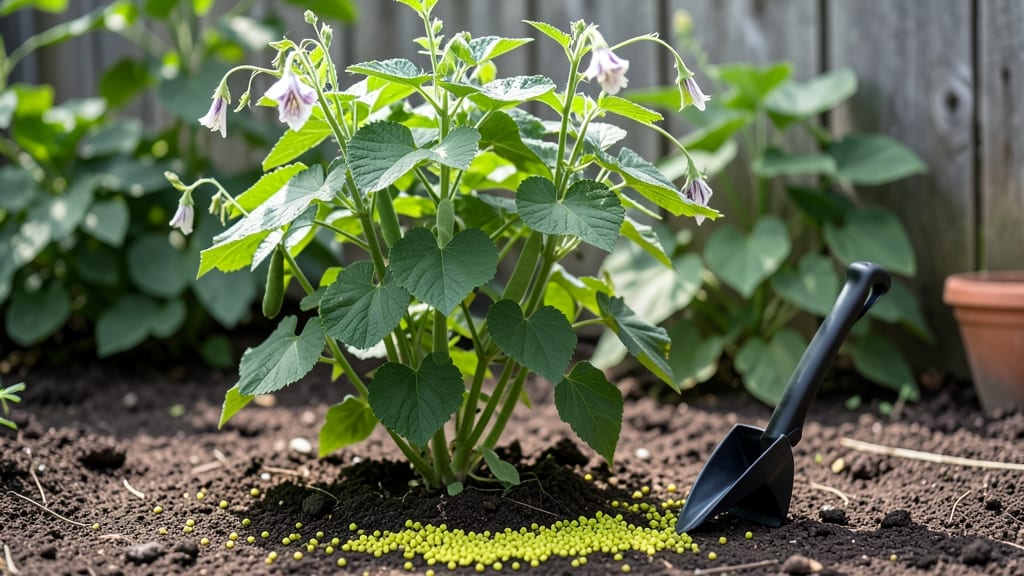
To fertilize green beans at the right time means feeding them just as they hit their growth surge—usually 2-3 weeks after planting and again when flowers appear.
Struggling to keep your green beans thriving? The secret to bountiful harvests lies in perfect fertilization timing—miss it, and you risk stunted growth or bitter pods. Here’s how to fertilize green beans at the exact right moments for maximum yield.
Green beans 🌱 need a balanced approach: too little fertilizer and they’ll struggle to climb; too much, and you’ll end up with leafy vines but no pods. The key is watching for those first flowers—when you see them, it’s time to feed again.
Below, I break down the best fertilizers, how to read your soil, and when to skip feeding entirely—so you can avoid common mistakes and enjoy a harvest that keeps coming all summer.
Optimal green bean fertilization schedule by growth stage
Green beans thrive when fertilized at the right stages, not just randomly. Over-fertilizing early can cause leafy growth with few pods, while skipping later stages reduces yield. The key is matching nutrients to your plant's developmental needs—from seedling to harvest.
Before planting, test your soil's pH (6.0-7.0 ideal) and nutrient levels. Green beans prefer well-draining, slightly acidic soil. If your soil is deficient, amend it with compost 2-4 weeks before planting. This preps the ground for optimal root development without overwhelming young plants.
| Growth Stage | Fertilizer Type | When to Apply | Amount | Notes |
|---|---|---|---|---|
| Pre-Planting | Compost or balanced 5-5-5 | 2-4 weeks before sowing | 1 cup per 10 sq ft | Improves soil structure |
| Early Growth (1-2 weeks after sprouting) | Low-nitrogen (5-10-10) | At planting + 2 weeks later | ½ tsp per plant | Encourages root development |
| Flowering Stage | Balanced (10-10-10) or fish emulsion | When 10% of plants flower | 1 tbsp per 3 ft row | Boosts pod formation |
| Pod Development | Low-phosphorus (5-5-10) | Every 3-4 weeks | ½ tsp per plant | Prevents bitter pods |
At the early growth stage (1-2 weeks after sprouting), green beans need a gentle nitrogen boost to support leafy vines. Use a low-nitrogen fertilizer (5-10-10) or organic options like alfalfa meal. Apply it lightly—too much nitrogen here will delay flowering and pod production.
When your plants start flowering (typically 4-6 weeks after planting), switch to a balanced fertilizer (10-10-10) or organic alternatives like fish emulsion. This stage is critical for pod development.
Look for the first 5-10 flowers on your plants as your cue to fertilize. Avoid high-nitrogen fertilizers now—they’ll make your plants grow leaves instead of pods.
During pod development, reduce phosphorus slightly to prevent bitter-tasting beans. A low-phosphorus fertilizer (5-5-10) or compost tea works best. Apply it every 3-4 weeks until harvest.
If your soil is already rich in phosphorus (check your soil test), skip this step entirely and stick to compost or worm castings.
Organic gardeners can use compost tea, worm castings, or fish emulsion at every stage. For synthetic fertilizers, opt for slow-release granules to avoid overfeeding. Always water fertilizers deeply into the soil—never let them sit on leaves, as this can cause burn damage.
In cool climates (Zones 3-5), fertilize 2 weeks later than the schedule above. Green beans grow slower in cooler weather, so delay the flowering-stage boost until you see more flowers.
In hot climates (Zones 7-10), fertilize every 3 weeks instead of 4 to compensate for faster nutrient depletion.
Stop fertilizing 4-6 weeks before your first frost. This gives your plants time to mature pods without encouraging late-season growth that won’t harden off. In warm climates, continue until pod production slows naturally, usually by late summer.
Watch for yellowing leaves or stunted growth—signs you may need to fertilize sooner. Conversely, dark green leaves with few pods mean you’ve overdone nitrogen. Adjust your schedule based on your plants’ visual cues and soil test results.
Signs your green beans need fertilizer (and when to avoid it)
Your green beans might be silently screaming for help if their leaves are turning yellowish-green between the veins, a sign of nitrogen deficiency. This common issue often appears when plants have exhausted soil nutrients or aren't receiving enough fertilizer during their active growth phase.
Even healthy-looking vines can hide nutrient deficiencies—pay close attention to new leaves, as they reveal the plant's current health status.
Slow vine growth or stunted plants are other red flags, especially if your beans are 3-4 weeks old and still not reaching expected heights. Green beans typically grow 1-2 inches per day under ideal conditions, so anything slower suggests a nutrient gap.
Even worse, poor pod formation—fewer beans or small, underdeveloped pods—can mean your plants lack phosphorus, a key nutrient for flowering and fruiting.
⚠️ callout warning ⚠️
⚠️ When NOT to Fertilize Green Beans
Never fertilize when soil is waterlogged or plants show burnt leaf edges (over-fertilization). Avoid adding fertilizer within 2 weeks of harvest—nutrient buildup can make pods bitter or stringy. Also skip fertilization if your beans are stressed by pests or disease, as nutrients can worsen damage.
Best practice: Test soil before planting (ideal pH: 6.0-7.0). If levels are already high, reduce fertilizer by 50% to prevent toxicity.
Yellowing leaves that start at the older leaves (not new growth) often signal magnesium deficiency, while purple stems or leaves indicate a phosphorus shortage. These deficiencies rarely appear alone—soil tests can reveal which nutrients are missing.
For example, sandy soils often lack phosphorus, while clay soils may be nitrogen-deficient. Amend soil with compost or a balanced 10-10-10 fertilizer if you notice these signs.
Over-fertilizing is just as harmful as under-fertilizing. Excess nitrogen leads to lush foliage but few beans, while too much phosphorus can cause root burn. Always follow the "less is more" rule: start with half the recommended dose and observe your plants for 3-5 days.
If no leaf burn appears, you can gradually increase the amount. Organic options like compost tea or fish emulsion are gentler and release nutrients slowly.
Pay attention to the flowering stage, typically 4-6 weeks after planting. If flowers drop off without forming pods, your beans need phosphorus and potassium. A light application of bone meal (high in phosphorus) can encourage better pod development.
However, avoid fertilizing during hot afternoons—the heat can cause fertilizer salts to burn tender roots. Early morning or late evening are the best times to apply nutrients.
Remember, green beans are light feeders compared to other vegetables. They thrive with moderate fertility, so focus on soil health rather than heavy fertilization. If your plants look healthy but produce few beans, check for pollination issues (like lack of bees) or overcrowding before reaching for fertilizer.
A well-balanced approach ensures your green beans grow strong and productive without unnecessary stress.