
Plants
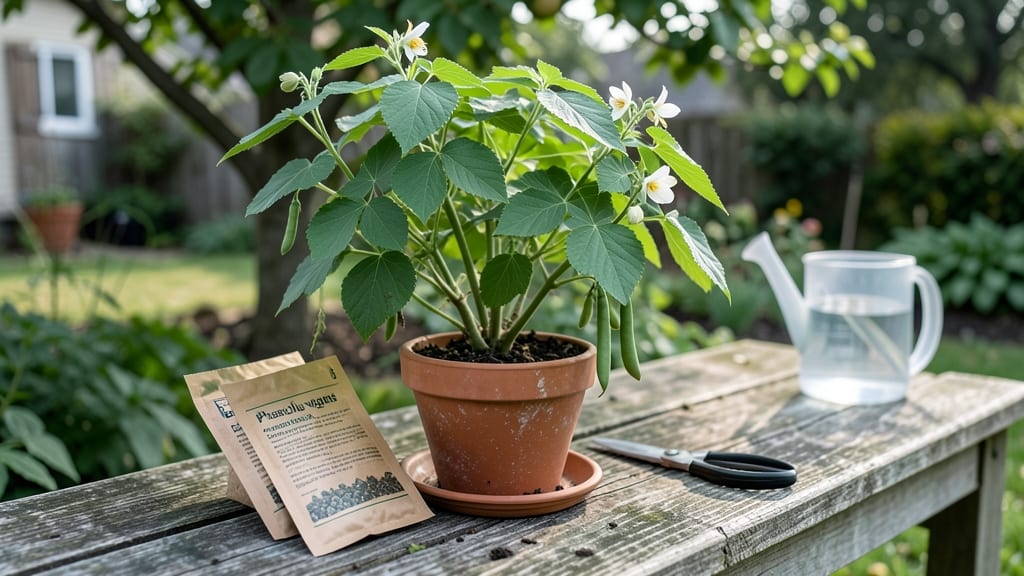
Plant beans in California between February and April for the best spring harvest, or again in September and October to stretch your yield into fall.
Timing is everything when growing beans in California—plant too early, and frost ruins your crop; too late, and summer heat stunts growth. Mastering the perfect window ensures a bountiful harvest of tender, flavorful beans every season.
Coastal areas like San Francisco can start as early as January, while inland valleys like the Central Valley should wait until March to avoid late frosts. The key is soil warmth—wait until temperatures hit 60°F before sticking those seeds in the ground.
Here’s what you’ll learn: the exact planting dates for your region, how to pick the right bean varieties for your microclimate, and simple tricks to keep your harvest going all season long.
Best planting times for beans by California climate zones
California's diverse climate means your bean planting schedule should vary dramatically between coastal, valley, and desert regions. Coastal areas like San Francisco enjoy mild winters, while Central Valley zones experience hotter summers and desert regions like Palm Springs face extreme heat.
Understanding these differences ensures you avoid frost damage or heat stress that can ruin your crop.
Most California gardeners focus on two planting windows: spring (February-April) for the main harvest and fall (September-October) for a secondary crop. However, the exact timing depends on your USDA zone (9a-10b) and microclimate.
For example, coastal Zone 9b gardeners can start beans as early as January, while desert Zone 10a areas should wait until March to avoid summer's scorching temperatures.
Bush beans (like 'Blue Lake' or 'Contender') and pole beans (such as 'Kentucky Wonder') have slightly different tolerance levels. Bush beans handle cooler temperatures better and can be planted 2-3 weeks earlier than pole beans, which need consistent warmth to thrive. Soil temperature is your best guide—wait until it reaches 60°F (15°C) before sowing seeds.
| Climate Zone | Ideal Planting Window | Last Frost Date | Heat Threshold (°F) | Best Varieties |
|---|---|---|---|---|
| Coastal (Zone 9b-10a) | Jan 15 - Feb 15 (Spring) / Sep 15 - Oct 15 (Fall) | Jan 15 - Feb 15 | 75°F (24°C) max | Blue Lake, Contender, Scarlet Runner |
| Central Valley (Zone 9a-10b) | Feb 20 - Mar 15 (Spring) / Sep 1 - Sep 15 (Fall) | Dec 15 - Jan 15 | 85°F (29°C) max | Kentucky Wonder, Romano, Provider |
| Desert (Zone 10a-11) | Mar 1 - Mar 15 (Spring) / Sep 20 - Oct 5 (Fall) | Dec 20 - Jan 5 | 95°F (35°C) max | Black Valentine, Rattlesnake, Yard Long |
| Mountain Foothills (Zone 8b-9a) | Apr 1 - Apr 15 (Spring) / Aug 15 - Sep 1 (Fall) | Feb 1 - Feb 15 | 80°F (27°C) max | Purple Hull, Crowder Pea, Tendercrop |
In coastal zones, where winters are damp and cool, start bush beans 2-3 weeks before the last frost date. For example, in San Francisco (Zone 9b), aim for January 15 to avoid late-season chills.
Pole beans need warmer soil, so delay planting until February 1 in these areas. Mulching with straw can help maintain even soil temperatures and protect young seedlings.
For Central Valley gardeners, the window narrows due to intense summer heat. Plant bush beans by March 15 for a June-July harvest before temperatures exceed 85°F (29°C).
Pole beans should go in by April 1 to avoid flower drop from heat stress. Drip irrigation is essential here to keep roots cool during peak summer months.
Desert regions like Palm Springs (Zone 10a) offer a unique advantage: fall planting can produce beans through winter when temperatures drop.
Start seeds in September for a November-December harvest, then enjoy a second crop in spring (March). Shade cloth (30-50%) can extend summer growing if you're ambitious, but most gardeners avoid planting during June-August when temps often exceed 100°F (38°C).
If you're in higher elevation foothills (Zone 8b-9a), like those near Sacramento or Fresno, wait until April 1 for spring
How to adjust planting for California's microclimates and soil conditions
California's diverse microclimates and soil variations mean your bean planting schedule should be as flexible as your garden layout. Urban heat islands can push temperatures 10°F hotter than nearby rural areas, while coastal fog delays spring planting by weeks.
Adjusting for these factors ensures your bush beans and pole beans thrive year-round.
Start by testing your soil's drainage and pH. Clay soils retain moisture too long—amend with compost and sand—while sandy soils dry out quickly and need organic matter to hold nutrients.
A simple percolation test (dig a 12-inch hole, fill with water, and time how long it drains) reveals whether beans will suffer from root rot or drought stress.
- Elevation: High desert areas (e.g., Tehachapi) can plant beans 2-3 weeks earlier than coastal zones like Santa Cruz due to milder winters.
- Urban Heat: Cities like Los Angeles may need shade cloth in summer to protect beans from bolting (premature flowering).
- Soil Type:
- Clay: Plant pole beans (taller roots) in spring for better drainage.
- Sandy: Opt for bush beans and mulch heavily to retain moisture.
- Companion Plants: Pair beans with corn and squash to extend harvest windows—corn provides shade in summer, while squash suppresses weeds.
- Succession Planting: In cooler coastal areas, stagger plantings every 2 weeks from February to May for continuous harvests.
For elevation adjustments, remember that temperatures drop 3°F per 1,000 feet gained. If you're gardening in Mountain View (elevation ~600 ft), plant 1 week later than San Francisco (sea level) to avoid frost damage.
Conversely, Death Valley gardeners can plant beans as early as January thanks to its year-round warmth.
Urban heat islands create their own challenges. Concrete and asphalt absorb heat, raising soil temperatures by 5-10°F compared to rural areas.
To combat this, use reflective mulches (like straw or wood chips) and plant beans in morning-sun, afternoon-shade spots. Dwarf varieties like 'Blue Lake Bush' handle heat better than tall pole beans.
Extend your harvest window with companion planting. Beans fix nitrogen in the soil, benefiting heavy feeders like tomatoes and peppers. In fall plantings, interplant beans with garlic or onions to deter pests like Mexican bean beetles.
For winter harvests in Southern California, choose cold-hardy varieties like 'Wax Pole' and use row covers to protect from light frosts.
Finally, monitor your garden's microclimate shifts throughout the season. A 5-day heatwave in June can cause beans to bolt, while unexpected coastal fog in July may stunt growth. Adjust watering and shading strategies dynamically—drip irrigation with shade cloth is your best friend in California's unpredictable climate. 🌿