
Plants
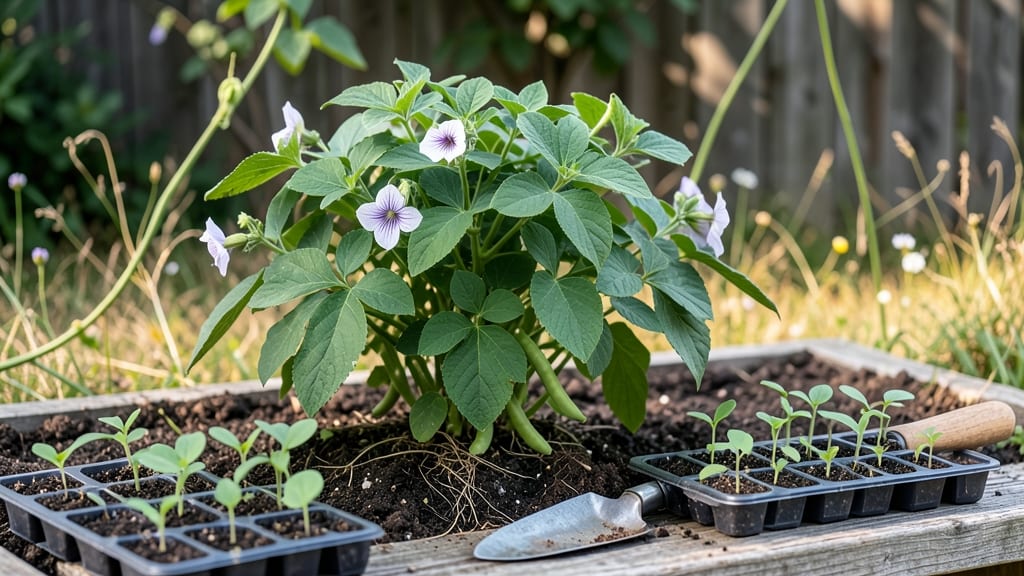
Planting beans in Colorado after the last frost ensures a bountiful harvest, but getting the timing right is tricky with the state’s varied elevations and unpredictable weather patterns.
If you’ve ever watched your bean seedlings wilt overnight after a late frost, you know how quickly a missed window can turn a promising garden into a lost season.
The difference between a thriving patch of 🌱 pole beans and a sad, stunted crop often comes down to knowing your local frost-free date—and adjusting for your elevation.
Colorado’s USDA zones 5-7 mean planting dates can shift by weeks from the Front Range to the mountains. Lower elevations like Denver (zone 6b) may be ready by mid-April, while high-altitude areas like Colorado Springs (zone 5b) might need to wait until early June.
Throw in a late frost, and even the hardiest varieties can struggle.
Below, I break down the best planting windows by elevation, soil prep tips for Colorado’s thin soils, and how to stretch your harvest with succession planting—so you can enjoy fresh beans from July through October without guessing.
Colorado bean planting dates by elevation: frost-free zone guide
Colorado’s elevation ranges from 3,300 feet in the lowlands to over 10,000 feet in the mountains, creating wildly different planting windows for beans. Pole beans, bush beans, and lima beans all thrive best when planted after the last frost—when soil temperatures hit 60°F+.
Missing this window can stunt growth or invite frost damage. Let’s break down the best planting dates for Colorado’s three key elevation zones to maximize your harvest.
In lowland areas (e.g., Denver metro, Pueblo, Fort Collins), the last frost typically occurs between April 15 and May 1. This gives you a 120-150 day growing season, perfect for pole beans and bush beans.
For high-altitude zones (e.g., Aspen, Leadville, Durango), frost lingers until May 15-June 1, shortening the window to 90-120 days, which favors faster-maturing varieties like lima beans.
Mid-elevation areas (e.g., Colorado Springs, Boulder, Salida) fall in between, with last frosts around April 20-May 10. Here, you can stretch your season by planting cold-hardy varieties like ‘Provider’ pole beans or ‘Blue Lake’ bush beans, which tolerate cooler soils better than tropical varieties.
Always check your local USDA Plant Hardiness Zone (Colorado ranges from Zone 4-7) for precision.
Here’s a quick reference for your elevation zone, including soil temperature requirements and ideal planting windows:
| Elevation Zone | Last Frost Date | Soil Temp Requirement | Best Planting Window | Recommended Varieties |
|---|---|---|---|---|
| Lowlands (3,300–5,000 ft) | April 15–May 1 | 60°F+ (15°C+) | May 1–June 15 | Pole: ‘Kentucky Wonder’; Bush: ‘Blue Lake’ |
| Mid-Elevation (5,000–7,500 ft) | April 20–May 10 | 60°F+ (15°C+) | May 10–June 1 | Pole: ‘Provider’; Bush: ‘Contender’ |
| Highlands (7,500–10,000+ ft) | May 15–June 1 | 65°F+ (18°C+) | June 1–July 15 | Lima: ‘Fordhook’; Bush: ‘Tendercrop’ |
For high-altitude gardens, aim for fast-maturing varieties (e.g., ‘Tendercrop’ bush beans, which mature in 50-55 days). In lowland areas, you can also try a fall planting in July-August for a second harvest before the first frost in September-October.
Always test your soil temperature with a soil thermometer—beans won’t germinate in cold soils, even if the air is warm.
If you’re in a microclimate (e.g., a sheltered urban garden or valley), frost may arrive 1-2 weeks later than average. Use row covers or black plastic mulch to warm the soil faster.
For container gardening, place pots in sunny spots and use self-watering systems to maintain consistent moisture—critical in Colorado’s dry, windy conditions.
Pro tip: Succession plant every 2 weeks in lowland areas to extend your harvest. For example, plant bush beans on May 1, May 15, and June 1 for a staggered yield.
In high-altitude zones, focus on one planting window and choose dwarf varieties to avoid wind damage. Always save seeds from your healthiest plants for next year’s garden!
Remember, Colorado’s weather is unpredictable. Keep an eye on local forecasts and use frost cloth if late frosts threaten. With the right timing, you’ll enjoy a bountiful bean harvest from your garden—whether you’re in Denver’s urban plots or Aspen’s alpine gardens. Happy planting! 🌱
How to adjust bean planting for Colorado’s microclimates and soil conditions
Colorado’s diverse landscapes—from high-altitude valleys to urban heat islands—create unique challenges for growing beans. Microclimates can shift planting windows by weeks, while poor soil or rocky terrain demands extra prep. I’ve adapted my bean-growing strategies to thrive in these conditions, and here’s how you can too.
The key is choosing cold-hardy varieties, protecting young plants, and extending harvests through smart timing.
First, consider your specific location. Urban gardens in Denver or Colorado Springs often face heat retention, while high-altitude areas like Aspen or Leadville have shorter growing seasons. Soil in these regions can be clay-heavy or nutrient-poor, requiring amendments like compost or aged manure.
I’ve found that pole beans (like ‘Kentucky Wonder’) perform better in cooler, high-elevation spots, while bush beans (like ‘Blue Lake’) handle urban heat better.
🌱 Numbered Highlights for Colorado Bean Planting
- 1. Choose cold-hardy varieties: Opt for ‘Tendergreen’ (bush) or ‘Rattlesnake’ (pole) beans—both tolerate 50°F soil temps and late frosts better than standard varieties.
- 2. Adjust planting dates by elevation:
- Lowlands (3,000–5,000 ft): Plant April 15–May 1 (after last frost).
- Mid-elevation (5,000–7,000 ft): Wait until May 15–June 1 for safer germination.
- Highlands (7,000+ ft): Start June 1–July 1 or use row covers to extend season.
- 3. Improve poor soil: Mix in 2–3 inches of compost or use raised beds with 50% compost for rocky soil. Test pH—beans prefer 6.0–7.0.
- 4. Mulch heavily: Apply 3–4 inches of straw after germination to retain moisture and regulate soil temp. In urban areas, mulch also cools roots.
- 5. Use succession planting: Sow new seeds every 2 weeks from May–July for continuous harvests. Fall plantings (late July) can yield into September–October.
Mulching is non-negotiable in Colorado. I’ve seen straw mulch extend harvests by 2–3 weeks by keeping roots cool and moist. For urban containers, use coco coir or peat moss to retain water in hot microclimates.
If your soil drains poorly, amend with perlite or sand to prevent root rot—a common issue in Colorado’s clay soils.
Succession planting is my secret weapon for maximizing yields. Instead of one big planting, I stagger seeds every 10–14 days from late spring through early summer. This ensures a steady supply of fresh pods and reduces the risk of losing an entire crop to late frosts or pests.
For fall harvests, plant late July–early August for beans to mature before the first frost hits.
Don’t overlook wind protection, especially in open fields or high-altitude gardens. Young bean plants are delicate and can snap in Colorado’s dry winds. Use windbreaks like cornstalks or burlap screens or plant beans near tall perennials like sunflowers.
I’ve also had success with low tunnels in early spring to shield seedlings.
Finally, monitor your plants closely for pests like Mexican bean beetles, which thrive in Colorado’s dry heat. Handpick adults and use neem oil on young larvae. Rotate planting locations yearly to prevent soil-borne diseases like bacterial blight, which can devastate bean crops in warm, humid microclimates.