
Plants
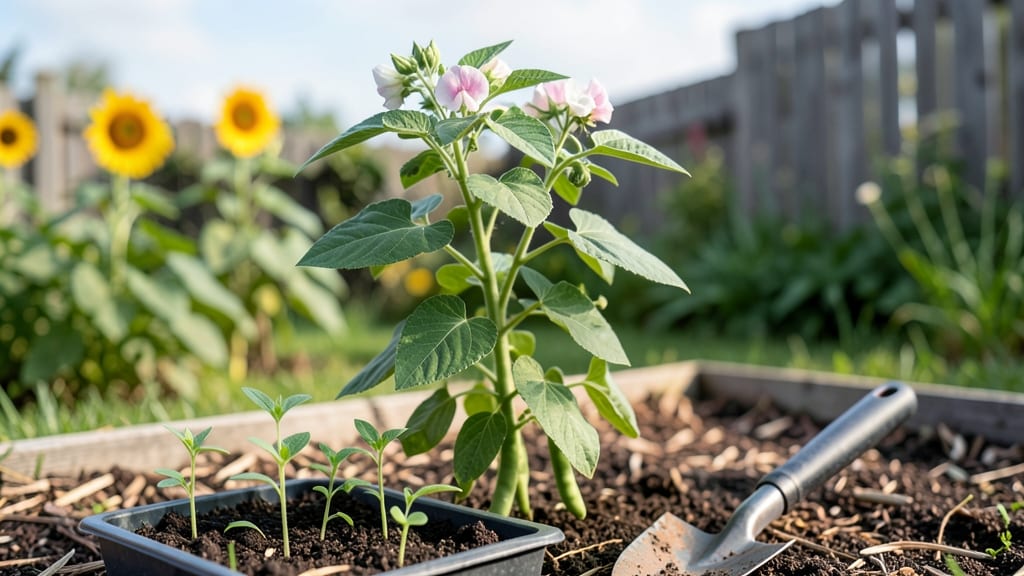
Planting beans in Kansas at the right time ensures a thriving harvest—miss the window, and you risk frost damage or stunted growth.
Timing is everything, especially in Kansas, where spring can swing from icy to scorching in weeks. Whether you're in the cooler western plains or the warmer southeast, knowing your zone’s frost-free dates is the difference between a bumper crop and wasted seeds.
In this guide, I’ll break down the best planting windows for Kansas’ six USDA zones, including soil temperature tips and how to adjust for early or late springs. You’ll also learn which bean varieties thrive in your area and how to extend your growing season with simple tricks.
Ready to grow beans that produce pod after pod? Let’s get started with the exact dates and methods that work for your corner of Kansas.
Kansas bean planting dates by hardiness zone (with frost-free guides)
Kansas' diverse hardiness zones (5a through 7b) create unique planting windows for beans, where timing can make or break your harvest. Bush beans and pole beans both thrive when planted after the last frost, but soil temperature matters just as much.
In colder zones like 5a, wait until soil reaches 60°F, while warmer 7b zones can start as early as mid-April.
Beans are warm-season crops that won't germinate below 50°F, so rushing planting in Kansas' unpredictable spring can lead to wasted seeds. Average last frost dates vary wildly—from late April in zone 5a to early March in zone 7b.
I'll break down the exact windows for each zone, plus how to adjust for early or late years.
Here’s a quick reference for Kansas bean planting dates by zone, including soil temperature requirements and frost-free guidelines:
| Zone | Last Frost Date | Soil Temp Requirement | Bush Beans Planting Window | Pole Beans Planting Window | Notes |
|---|---|---|---|---|---|
| 5a (Western KS) | Late April - Early May | 60°F+ | May 15 - June 1 | May 1 - May 15 | Use row covers for early starts |
| 6a (Central KS) | Mid-April - Late April | 60°F+ | April 25 - May 10 | April 15 - April 30 | Fast-maturing varieties recommended |
| 6b (Central KS) | Early April - Mid-April | 55°F+ | April 15 - April 30 | April 1 - April 15 | Soil warms faster in urban areas |
| 7a (Southeast KS) | Late March - Early April | 55°F+ | April 1 - April 15 | March 20 - March 31 | Can plant earlier with black plastic mulch |
| 7b (Southeast KS) | Early March - Late March | 50°F+ | March 15 - April 1 | March 1 - March 15 | Longest growing season in KS |
In zone 5a, where frosts linger until May, I recommend waiting until May 15 for bush beans to avoid cold snaps. Pole beans, which take longer to mature, should go in slightly earlier (May 1-15) to maximize their growing season.
For zone 7b, you can start as early as March 15—just cover seeds with black plastic to warm the soil faster.
Kansas' unpredictable weather means you should always have a backup plan. If your area experiences an early frost warning, opt for fast-maturing varieties like 'Blue Lake' (55 days) or 'Contender' (50 days).
For late plantings, choose heat-tolerant varieties such as 'Black Valentine' or 'Scarlet Runner' to extend your harvest into fall.
Soil temperature is just as critical as frost dates. Use a soil thermometer to confirm readings—beans won’t germinate below 50°F. In cooler zones, black plastic mulch can raise soil temps by 5-10°F, letting you plant 1-2 weeks earlier.
I’ve had success in zone 6a by laying mulch in early April and planting beans by April 15.
For pole beans, which need trellises and more time, start them 2-3 weeks before bush beans.
In zone 7b, that means planting pole beans by March 1 to ensure they’re established before summer heat arrives. Succession planting every 2 weeks will give you a continuous harvest—just stop by mid-July to avoid beans maturing during Kansas' hot, dry summers.
If you’re in urban Kansas, like Wichita (zone 7a) or Topeka (zone 6b), your microclimate may allow earlier planting. Concrete and buildings absorb heat, warming soil faster. Test your soil with a thermometer—if it’s 60°F+ by April 1, you can plant bush beans then.
Rural areas with more wind exposure may need to wait an extra week.
Finally, monitor your local Kansas Mesonet or NOAA frost forecasts for real-time adjustments. In my garden, I’ve had to delay planting by 2 weeks in years with late frosts (like 2021 in zone 6a).
When in doubt, plant later—beans are resilient and will rebound better than risking frost damage.
How to extend your Kansas bean growing season (for earlier/later plantings)
Kansas' unpredictable spring frosts and hot summers can make bean planting tricky, but with the right strategies, you can extend your growing season for earlier harvests or late-season success. I've found that row covers, cold frames, and fast-maturing varieties are game-changers for Kansas gardeners like me.
One of my favorite tricks is using floating row covers to protect young plants from late spring frosts. These lightweight fabrics raise soil temperatures by 5-8°F while still allowing sunlight and water through.
For pole beans, I've also used cold frames to start seeds indoors 4-6 weeks before the last frost date.
Kansas' USDA zones 5a-7b offer different opportunities. In cooler zones (5a-6a), I prioritize cold-tolerant varieties like 'Black Valentine' or 'Wax Pole', which can handle soil temps as low as 50°F.
In warmer zones (6b-7b), I focus on heat-resistant varieties like 'Contender' or 'Blue Lake' to avoid summer wilting.
🌱 Numbered Highlights: Extending Your Kansas Bean Season
- 📅 Start with cold-tolerant seeds like 'Black Valentine' (50°F soil) or 'Wax Pole' (55°F soil) for 4-6 weeks before last frost.
- 🛡️ Use floating row covers to protect seedlings from late spring frosts (extends season by 2-3 weeks).
- ☀️ For late summer plantings, choose heat-tolerant varieties like 'Contender' (handles 95°F+ temps).
- 🌡️ Test soil temperature with a thermometer—beans need 60°F+ for germination.
- 🌱 Succession plant every 2 weeks for continuous harvests through fall.
For late-season extensions, I've had great success with succession planting. After harvesting the first crop, I replant with fast-maturing varieties like 'Blue Lake' (50 days to harvest) every 2 weeks until early August. This ensures fresh beans through September or October in most Kansas zones.
Don't overlook mulching—I use straw or black plastic mulch to keep soil temps stable and moisture consistent. This simple trick has helped me push harvests into early fall when combined with row covers. For urban gardeners, container growing with heat-tolerant varieties in black pots can extend seasons too.
Remember, Kansas' microclimates vary. If you're in a warmer microclimate (like near rivers or lakes), you might push plantings 2 weeks later than zone averages. Always monitor weather forecasts and have row covers ready for unexpected cold snaps.