
Plants
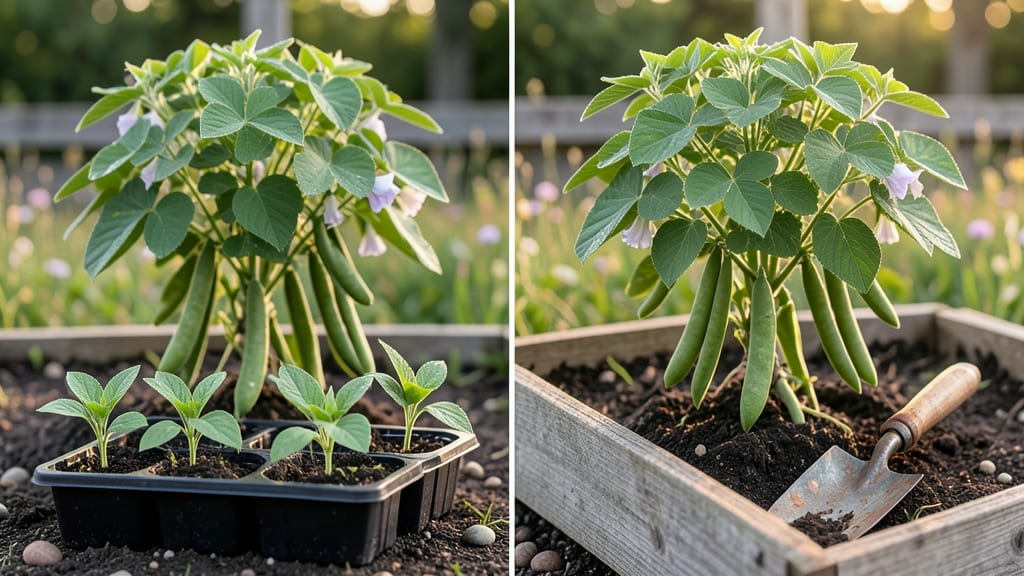
Planting butter beans in NC after the last frost—typically between April 15 and May 30—sets the stage for a harvest that rivals your favorite summer recipe.
Butter beans thrive in North Carolina’s warm climate—but planting them too early or late can mean the difference between a bountiful harvest and a sad, wilted failure. Timing matters more than you think, especially when balancing soil temperatures, frost risks, and regional microclimates.
In USDA zones 6b-8a, the sweet spot is when soil hits 60°F and all frost danger has passed. That’s usually mid-April in the Piedmont and late April in the Mountains, but coastal areas can start earlier.
Below, I’ll break down the exact frost-free timeline for your region, soil prep secrets, and how to adjust for NC’s heat and humidity—so you can go from seed to pod in 75 days or less.
Optimal planting timeline for butter beans in NC: frost-free dates & soil temperature guide
North Carolina’s diverse climate means butter beans can thrive in three distinct regions—Coastal Plains, Piedmont, and Mountains—each with its own last frost date and soil temperature triggers. To maximize your harvest, plant when soil reaches at least 60°F and all frost risk has passed.
This guide breaks down the perfect timing for each NC zone, so you can avoid frost damage and stunted growth.
Butter beans are warm-season crops that despise cold snaps. In NC, the average last frost date ranges from late March (Coastal Plains) to mid-April (Mountains). However, soil temperature is the real game-changer—seeds won’t germinate well below 60°F.
Use a soil thermometer to confirm readiness, especially in cooler mountain regions where soils warm slower.
Here’s your month-by-month planting window for NC, tailored to regional microclimates. The table below shows exact timing, but remember: Coastal gardeners can start 2-3 weeks earlier than Mountain growers. Always check your local USDA Zone (6b-8a) for precision.
In the Coastal Plains, where frost arrives late, you can start seeds as early as April 1 if soil temps are stable. But don’t rush—butter beans planted too soon in cool soils may rot or fail to sprout.
Use black plastic mulch to warm the soil faster if needed. Piedmont gardeners should wait until April 15 to align with the region’s last frost average.
For Mountain regions, patience is key. Soils in USDA Zone 6b often stay cold longer, so aim for May 1 or later. If you’re eager to plant earlier, use row covers or a cold frame to protect seedlings until soil warms.
Mountain gardeners also benefit from shorter growing seasons, so prioritize fast-maturing varieties like ‘Fordhook 242’.
Once your butter beans are in the ground, maintain consistent moisture and watch for pests like bean beetles, which thrive in NC’s humidity. Mulch with straw to retain soil moisture and suppress weeds.
If you’re in a hotter Piedmont or Coastal zone, provide afternoon shade during peak summer to prevent pods from toughening too quickly.
Remember: butter beans need 75-90 days to mature, so time your planting to finish before first frost (typically mid-October in Coastal areas and early October in the Mountains). For a second crop, sow seeds in early June—just be prepared to harvest quickly before heat sets in.
If you’re unsure about your local frost dates, check the NC State Climate Office or use a frost calendar app like Old Farmer’s Almanac. And always test your soil—NC’s clay-heavy soils can delay warming, so amend with compost to speed up the process.
With the right timing, your butter bean plants will reward you with tender, flavorful pods all summer long.
How to adjust planting for NC’s microclimates: Coastal vs. Piedmont vs. mountain regions
North Carolina’s diverse geography creates three distinct gardening zones—each with unique frost patterns, soil conditions, and growing seasons. For butter beans, which love warmth, these differences mean the perfect planting window shifts dramatically from the Coastal Plains to the Mountains.
In the Coastal Plains, you can start as early as March 15, while mountain gardeners often wait until May 1 to avoid frost. Understanding these microclimates helps you align planting with soil temperatures and heat tolerance for maximum yields.
In the Piedmont region, where most NC gardeners live, butter beans thrive when planted April 15–May 1, after the last frost date. But in the Coastal Plains, milder winters allow for earlier starts—sometimes even February 28 in sheltered spots.
Meanwhile, mountain gardeners face shorter seasons and must wait until after May 15 to ensure warm soil and no late frosts. These adjustments aren’t just about dates; they’re about matching your butter beans to your local climate’s heat retention and frost risks.
| Region | Last Frost Date | Ideal Planting Window | Soil Temp Threshold | Heat Tolerance Tip |
|---|---|---|---|---|
| Coastal Plains | Late Feb–Early March | Feb 28–Apr 15 | 60°F+ | Use row covers for late-season heat waves |
| Piedmont | Mid–Late March | Apr 15–May 1 | 60°F+ | Plant heat-tolerant varieties like ‘Texas Cream’ |
| Mountains | Late April–Early May | May 15–Jun 1 | 65°F+ | Extend season with black plastic mulch |
If you’re in the Coastal Plains, take advantage of the longer season by planting two successive crops: one in late February and another in early April. This strategy works because the humidity and warmer nights create ideal conditions for butter beans to thrive year-round.
In contrast, Piedmont gardeners should focus on a single planting in early May, using black plastic mulch to warm the soil faster and reduce weed competition.
For mountain regions, where summers are shorter, prioritize fast-maturing varieties like ‘Contender’ and consider using row covers to protect young plants from unexpected late-spring frosts.
Late-season heat can also stress butter beans, especially in the Coastal Plains where temperatures can spike above 90°F. To combat this, plant in partial shade during peak summer or use drip irrigation to keep roots cool.
In the Mountains, where nights stay cooler, you can push planting into early June for a fall harvest, but monitor for early frost warnings after September 15.
Always check your local NC State Extension frost maps to fine-tune your timing—these resources are updated annually and account for microclimate variations within each region.
One of my favorite tricks for extending the butter bean season is using row covers or low tunnels. In the Piedmont, I’ve successfully planted beans as late as June 1 and still harvested pods by October 1 by removing covers during the day and replacing them at night.
This method also deters bean beetles, a common pest in NC’s humid climate. For mountain gardeners, black plastic mulch is a game-changer—it raises soil temperatures by 5–10°F, allowing you to plant 2–3 weeks earlier than the standard frost-free date.
Remember, butter beans need consistent warmth to grow, but they’re also sensitive to waterlogged soil. In the Coastal Plains, where rainfall is higher, amend your soil with compost to improve drainage. Meanwhile, in the Mountains, where soil can dry out quickly, mulch heavily to retain moisture.
By tailoring your approach to your microclimate, you’ll avoid the heartbreak of frost-damaged seedlings or heat-stressed plants—and enjoy a harvest that’s the envy of your neighborhood.