
Plants
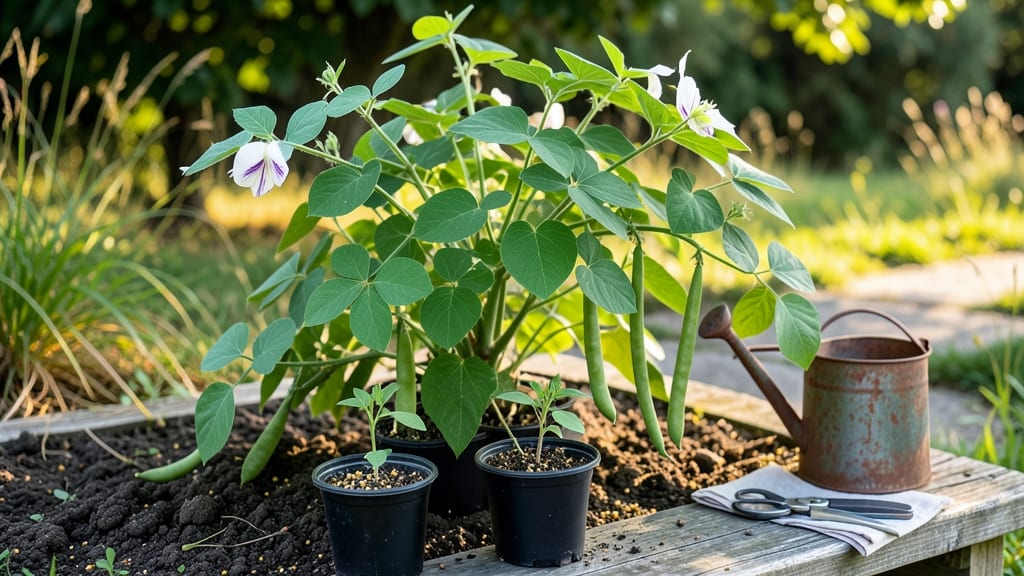
To plant green beans in Kentucky, aim for April 15–May 15 when soil warms to at least 60°F—a window that balances frost risk and rapid growth.
Kentucky’s varied climate—from cool mountain regions to humid river valleys—means timing your green bean planting just right can mean the difference between a bountiful harvest and a disappointing wait.
If you plant too early, young 🌱 plants may wilt from cold soil or frost, while waiting too long risks stunted growth as summer heat arrives. The key is matching your zone’s last frost date with soil temperature, not just the calendar.
Below, I’ll break down the exact frost-free timeline for Kentucky’s USDA zones, soil prep tips to speed up warming, and how to adjust for microclimates—so you can start harvesting tender pods by July.
Kentucky green bean planting calendar by USDA Zone (with frost dates)
Kentucky spans USDA Zones 5a through 7a, creating distinct planting windows for green beans. The last average frost dates range from early April in southern zones to mid-May in the mountains.
Since green beans thrive in warm soil (60°F+), timing your planting to these frost-free dates ensures strong germination and rapid growth.
For bush beans, which mature quickly (50-60 days), you can even start seeds indoors 2-3 weeks before your last frost. Pole beans, with their longer growing season (60-70 days), benefit from a later start to avoid early-season pests.
Always check your local Kentucky Mesonet for real-time frost updates before planting.
In Zone 5a (Eastern Kentucky mountains), wait until after your May 1 frost date to plant, as cooler nights slow germination. For Zone 7a (far southern Kentucky), you can start as early as late March, but monitor soil temps—cold soil (<55°F) causes seeds to rot.
A soil thermometer is your best friend here!
For successive planting, Kentucky gardeners often make 2-3 plantings spaced 2 weeks apart. This ensures a continuous harvest through summer. In Zone 6a (central Kentucky), aim for April 20 and May 15 plantings—this covers both early and late varieties perfectly.
Pole beans, needing more time to mature, should get the later dates.
If you're using starter plants (not seeds), wait until soil is consistently above 60°F for 5+ days before transplanting. Hardened-off seedlings handle Kentucky's humid summers better when established in warm soil.
For seed-starting, sow directly into the garden 1 inch deep, with seeds spaced 2 inches apart in rows 18-24 inches apart.
Remember: Green beans hate cold soil. If your soil thermometer reads below 60°F, wait another week. You can speed up soil warming by using black plastic mulch or planting near heat-absorbing materials like dark-colored bricks. This is especially helpful in Zone 5b, where nights stay chilly longer.
For late summer harvests, try a succession planting in late June. While green beans prefer cooler weather, they'll tolerate 85°F+ afternoons if given consistent moisture. Just be vigilant for bean beetles during these hotter months—hand-picking works well for small gardens.
Pro tip: Test your soil pH before planting—green beans thrive in 6.0-7.0 pH. If your soil is too acidic, add lime 4-6 weeks before planting. Kentucky's clay-heavy soils in western regions (like Zone 6b) benefit from compost amendments to improve drainage.
With these zone-specific dates and soil prep tips, you're ready to grow bushy, productive green beans all season long. Happy planting—your summer salads will thank you! 🌱
How to adjust planting time for Kentucky’s microclimates (mountains vs. Bluegrass)
Kentucky’s dramatic elevation changes create two distinct gardening worlds: the cool mountain regions (like the Appalachians) and the warmer Bluegrass region (around Louisville and Lexington). These microclimates can shift your green bean planting window by 3-4 weeks—critical for avoiding frost damage or stunted growth.
Understanding these differences lets you fine-tune your schedule for peak productivity.
In the mountain regions (USDA zones 5b-6a), average last frost dates arrive mid-to-late May, often pushing planting back to late May or early June. Meanwhile, the Bluegrass region (zones 6b-7a) typically sees its last frost by mid-April, allowing earlier plantings as soon as mid-April.
This discrepancy means a Louisville gardener might harvest beans 6 weeks sooner than one in Eastern Kentucky!
| Factor | Mountain Regions (Appalachians) | Bluegrass Region (Louisville/Lexington) |
|---|---|---|
| Average Last Frost | Mid-to-late May | Mid-April |
| Ideal Planting Window | Late May–early June | Mid-April–mid-May |
| Soil Warmth Threshold | 65°F+ (wait longer) | 60°F+ (earlier readiness) |
| Row Cover Benefit | Extend season by 4-6 weeks | Protect from late frosts |
| Harvest Window | Late July–September | June–August |
To bridge these gaps, row covers (like floating fabric tunnels) can push mountain plantings 4-6 weeks earlier, while cold frames let Bluegrass gardeners extend harvests into late fall.
For example, I’ve used row covers in my Eastern Kentucky garden to plant green beans by May 1st instead of waiting until June—resulting in a 3-week earlier harvest without risking frost.
For pole beans, which need more time to mature, mountain gardeners should prioritize early-maturing varieties (like ‘Blue Lake’ or ‘Kentucky Wonder’) and plant them after Memorial Day.
In the Bluegrass, you can afford slightly slower varieties (such as ‘Rattlesnake’) while still enjoying a full harvest before summer heat sets in.
Test your soil temperature with a soil thermometer—green beans thrive when soil reaches 60°F+, but mountain soils often lag behind. If your thermometer reads below this, wait 7-10 days or use black plastic mulch to warm the soil faster.
In the Bluegrass, you can plant as soon as the ground is workable, even if it’s a few degrees cooler.
Pro tip: Succession planting works differently in each region. In the Bluegrass, sow every 2 weeks from April to June for continuous harvests. In the mountains, stick to 2-3 plantings in late May and early June to avoid overlapping harvests with shorter seasons.