
Plants
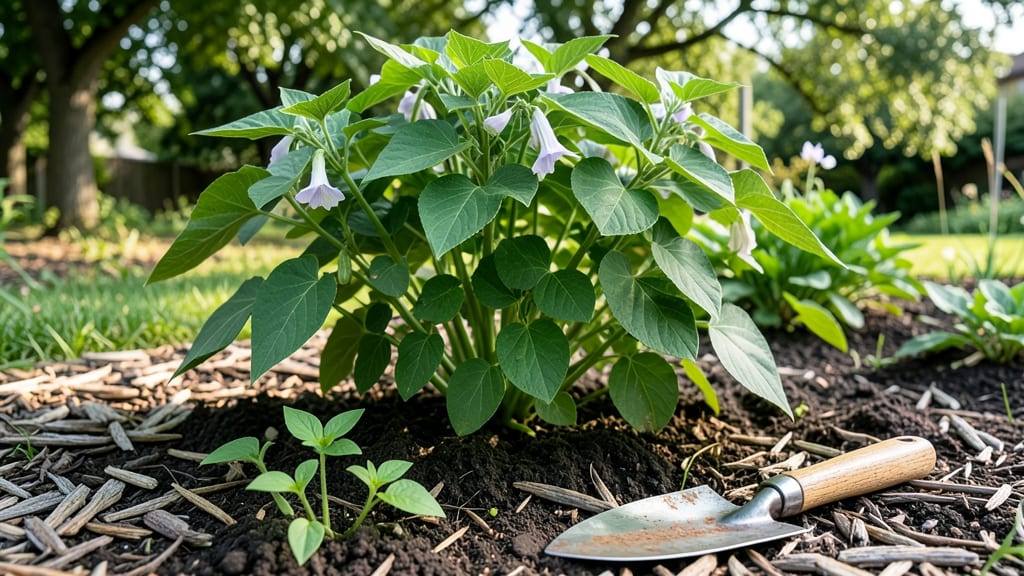
Planting green beans in Maine means timing your seeds to beat the frost—aim for late May to early June, once soil warms to at least 50°F and the last frost has passed.
Maine’s short growing season turns a missed window into wasted effort. Too early, and frost zaps tender seedlings; too late, and you’ll miss the July–September harvest peak. The key? Align your variety with your zone’s frost-free timeline.
Bush beans like ‘Blue Lake’ thrive in cooler soil, while pole varieties such as ‘Kentucky Wonder’ need warmth to climb. Direct-sow seeds after the last frost—no need for indoor starts here. Soil prep matters too: loosen the earth, mix in compost, and ensure good drainage.
Below, I’ll break down exact planting dates by Maine region, variety tips, and how to stretch your harvest into fall with simple tricks like row covers. Ready to grow a bushel?
Maine’s frost-free planting zones for green beans: exact dates by variety
Maine’s cool climate and short growing season make timing critical for green bean success. Whether you’re growing bush beans or pole beans, planting too early risks frost damage, while waiting too long cuts harvests short.
Here’s your precise frost-free planting guide for Maine’s USDA Zones 3-5, tailored to popular varieties and regional last-frost dates.
Green beans thrive in warm soil (at least 50°F/10°C) and full sun. In Maine, soil warms slowly, so direct sowing after the last frost is safest.
For Portland (Zone 5b), aim for late May to early June, while Bangor (Zone 5a) and Presque Isle (Zone 4a) should wait until early to mid-June to avoid late-spring frosts.
For bush beans, which mature faster (45–55 days), you can even try succession planting every 2 weeks until July 15 to stretch harvests. Pole beans, like Kentucky Wonder, take longer (55–65 days) but produce more per plant—ideal for smaller gardens.
Check your local last frost date using the Maine State Climate Office or Almanac’s frost calculator. In Presque Isle (Zone 4a), where frosts linger later, opt for cold-tolerant varieties like Provider or use row covers to extend the season.
Soil temperature is just as critical as air temperature. Use a soil thermometer to confirm 50°F/10°C before planting. In cool, wet springs, soil may stay cold even after frost-free dates. Amend beds with compost to warm soil faster and improve drainage.
If you’re eager to start early, sprout seeds indoors 2–3 weeks before your target outdoor date. Use biodegradable pots and transplant seedlings carefully to avoid shocking roots. However, direct sowing is often better for green beans, as they dislike root disturbance.
For late-season harvests, try fall varieties like Tendergreen, planting them in early July for a September–October crop. Use black plastic mulch to warm soil and row covers to protect from early frosts. In Bangor and southern Maine, you might even harvest until mid-October.
Remember: Green beans hate cold feet. Even a light frost can stunt growth or kill plants
How to extend green bean season in Maine: succession planting & cold protection
Maine’s cool climate means green beans often stop producing before the first frost hits in mid-October. The key to a longer harvest? Succession planting and smart cold protection.
By staggering plantings and using simple tools like row covers, you can push your last harvests into September—or even early October in sheltered spots. This tactic works especially well with cold-tolerant varieties like 'Contender' or 'Tendergreen', which handle Maine’s unpredictable weather better than heat-loving types.
Start by planting your first batch of seeds 2 weeks after your last frost date (usually late May to early June). Then, every 2 weeks afterward, sow another row of seeds. This creates a rolling harvest, ensuring you always have fresh pods.
For varieties like 'Blue Lake', which matures in 50–55 days, this means your last planting could still produce beans before frost. Pair this with black plastic mulch to warm the soil and extend the season by 1–2 weeks.
Here’s my 3-step checklist for extending your season:
- 🌱 Start with cold-hardy varieties: Choose 'Contender' or 'Tendergreen'—they tolerate 45°F soil temps and light frosts.
- 📅 Plant in 2-week intervals: First batch after last frost, then every 14 days until mid-August.
- 🛡️ Use row covers or mulch: Lay floating row covers at night when temps drop below 50°F or use black plastic mulch to retain heat.
Don’t overlook companion planting—it’s a game-changer for Maine gardens. Pair your green beans with marigolds to repel pests like Mexican bean beetles, which thrive in Maine’s humid summers. You can also interplant with radishes, which mature quickly and mark the rows for your beans.
This not only keeps pests away but also maximizes space in your garden beds.
For late-season protection, invest in lightweight row covers (like Reemay fabric) or even a mini greenhouse for your most prized plants. These can raise soil temps by 5–10°F, allowing you to harvest beans even when nighttime temps dip into the 40s.
Just remember to remove covers during the day to prevent overheating. If you’re short on space, consider growing pole beans like 'Kentucky Wonder'—they take up less ground area and produce more per square foot.
Finally, keep an eye on the 7-day forecast in late September. If a hard frost (28°F) is predicted, harvest all remaining pods immediately, even if they’re not fully mature. Green beans are best eaten fresh, and their flavor peaks when picked at the right moment.
With these tactics, you’ll enjoy homegrown beans 3–4 weeks longer than the average Maine gardener—and that’s a harvest worth celebrating!