
Plants
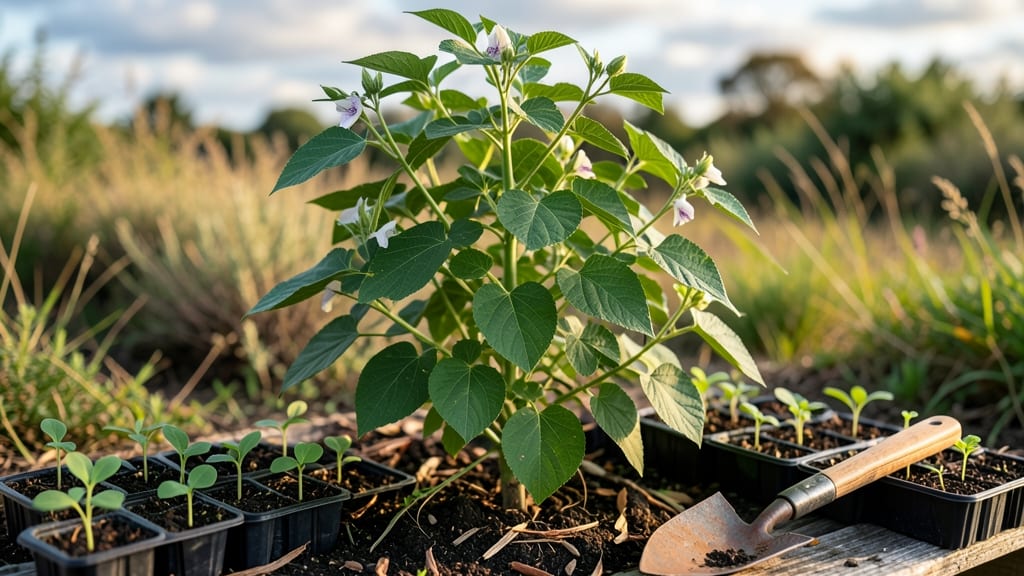
Planting green beans in Massachusetts at the right time means the difference between a bountiful harvest and wasted seeds — aim for after the last frost, when soil temperatures hit 60°F.
Massachusetts gardeners know timing is everything — plant too early, and frost will ruin your crop; too late, and summer’s heat arrives before harvest. Here’s your precise guide to planting green beans in Massachusetts, using soil temperature data and last frost dates to maximize your yield.
Whether you’re growing bush varieties for quick harvests or pole beans for a longer season, the key is knowing when to start seeds indoors or sow directly into the garden. With USDA zones 5b-6b and frost dates that shift yearly, this guide keeps you on track.
Inside, you’ll find the exact planting windows for your region, tips for extending your harvest, and how to avoid common mistakes that cut yields short. Let’s get those green bean seeds in the ground at the perfect moment!
Massachusetts green bean planting dates by region: last frost and soil temperature guide
Green beans thrive in Massachusetts when planted at the right time—too early and frost zaps your seedlings, too late and summer heat arrives before harvest. The key is understanding your last frost dates and soil temperatures, which vary by region.
In most of Massachusetts, the average last frost falls between April 15 and May 15, but coastal areas like Cape Cod often see warmer temperatures 1-2 weeks earlier. For optimal germination, aim for soil temperatures between 60–70°F—this is your green light to plant.
Massachusetts spans USDA zones 5b-6b, meaning microclimates matter. Inland areas like Worcester and Springfield tend to have cooler soils longer than coastal zones, while cities like Boston may experience urban heat islands that warm up faster.
Whether you’re growing bush beans (compact, no trellis) or pole beans (climbing, higher yield), timing is critical. Let’s break down the best planting windows for your area to ensure a bountiful harvest.
🌱 Pro Tip: Use a soil thermometer to confirm temperatures—cool, damp springs can delay warming. If soil temps hover below 60°F, wait a week or two before planting to avoid slow germination or rot.
For bush beans, which mature faster (50–60 days), you can push the envelope slightly by planting 2–3 weeks before your region’s last frost date—just use row covers or cold frames to protect seedlings. Pole beans, which take 60–70 days to harvest, benefit from a longer growing season, so wait until after the last frost to avoid frost damage to vines.
In coastal areas, where soil warms quickly, you might even squeeze in a late July planting for a fall harvest before the first frost (mid-October).
🌡️ Soil Temperature Matters: Green bean seeds need warmth to germinate. If your soil is below 60°F, germination can take 2–3 weeks or fail entirely. Use black plastic mulch or straw mulch to warm the soil faster in cooler regions like western Massachusetts. In Boston or Cape Cod, where soil warms earlier, you can start planting as early as late April if the ground isn’t frozen.
Don’t forget about succession planting! In Massachusetts, you can often fit in 2–3 harvests by planting every 2 weeks from May through July. For example, plant your first batch in early May, then follow up with mid-May, late May, and early June to stagger your harvest.
This ensures a steady supply of fresh beans instead of a single overwhelming bounty. Pole beans are especially great for succession planting because their vines produce pods over a longer period.
If you’re unsure about your local frost dates, check the Massachusetts State Climatologist or use a frost calendar app like Old Farmer’s Almanac. These tools provide historical data and 3-year averages to help you plan.
For urban gardeners in Boston or Worcester, microclimates can vary even within neighborhoods—observe your garden’s behavior for a few years to refine your timing.
Finally, prepare your soil at least 1–2 weeks before planting. Green beans prefer well-draining soil with a pH of 6.0–7.0. Mix in compost or aged manure to improve fertility, and avoid planting where beans or other legumes grew the previous year to prevent soil-borne diseases.
With the right timing and soil prep, you’ll be enjoying homegrown green beans from July through September—or even
How to extend your green bean season in Massachusetts: succession planting and frost protection
Massachusetts gardeners can enjoy fresh green beans from early summer through fall by using succession planting and frost protection strategies. With the right timing and tools, you can stretch your harvest from July to October, even in our unpredictable climate.
The key is planting in three waves—May, June, and late July—while protecting tender plants with lightweight row covers.
For early plantings, choose cold-tolerant varieties like 'Blue Lake' or 'Kentucky Wonder', which handle cooler soils better than heat-sensitive types. These varieties also mature faster, giving you a head start before summer’s heat sets in.
Pairing them with row covers lets you plant 2-3 weeks earlier than usual, safeguarding seedlings from late frosts.
📅 Massachusetts Green Bean Planting Schedule
- 🌱 Early Planting (May 1–15): Sow seeds after last frost (avg. April 15–May 1) when soil reaches 60°F. Use row covers for frost protection.
- 🌿 Mid-Season Planting (June 15–30): Plant heat-tolerant varieties like 'Contender' or 'Blue Lake' for a July–August harvest.
- 🍂 Late Planting (July 20–August 10): Choose short-season varieties (e.g., 'Tendercrop') for a September–October harvest before frost.
- 🛡️ Frost Protection Tip: Use floating row covers to extend harvest by 2–3 weeks in fall or shield early seedlings from late frosts.
Succession planting works best when you space out your sowings by 2–3 weeks. For example, if your first batch goes in May 10, follow up with a second planting on May 25 and a third on June 10.
This ensures a continuous supply of beans instead of one overwhelming harvest. In late July, plant a final batch for a fall harvest before the first frost (usually mid-October).
Don’t overlook the power of row covers—these lightweight fabrics act like a protective blanket, allowing sunlight and water through while shielding plants from light frosts (down to 28°F). For early plantings, lay covers over seedlings at night and remove them during the day.
In fall, use them to extend the season by trapping heat and delaying frost damage. Just remember to secure the edges with bricks or soil to prevent wind damage.
When selecting varieties for extended harvests, prioritize disease-resistant and heat-tolerant options. 'Blue Lake' is a classic choice for its reliability and crisp pods, while 'Kentucky Wonder' thrives in cooler soils.
For late-season plantings, 'Tendercrop' matures quickly (in just 50 days) and handles Massachusetts’ variable fall weather better than many varieties. Always check seed packets for days to maturity to align with your target harvest dates.
To maximize your yield, pair green beans with companion plants like marigolds (which repel pests) or radishes (which deter bean beetles). Mulch around plants with straw or grass clippings to retain moisture and suppress weeds.
Water deeply in the morning to keep soil consistently moist but not soggy—a critical factor in Massachusetts’ humid summers. With these strategies, you’ll turn your garden into a bean-producing powerhouse from early summer to late fall. 🌱