
Tools
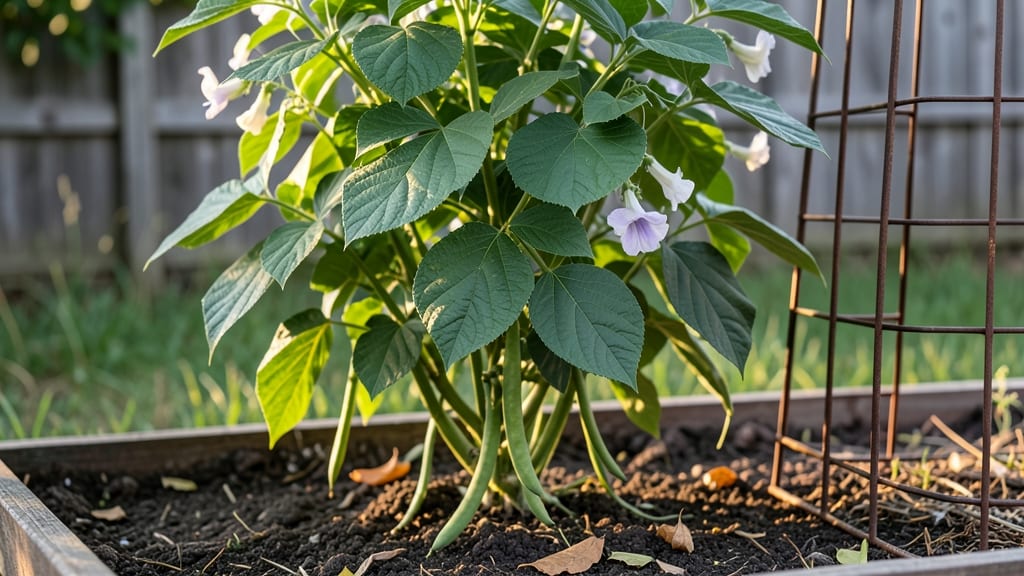
Blue Lake beans grow so fast you'll pick your first pods in just 50 days—whether you choose bush or pole varieties. 🌱 I've grown both for years, and the difference isn't just in how they climb (or don't) but in how they fill your plate.
Bush beans are the reliable workhorses, while pole beans turn your garden into a vertical feast.
Bush beans stay compact at 2-3 feet tall, perfect for small spaces or containers, and produce all their harvest at once. Pole beans, though, need 5-6 foot trellises but keep giving pods all season long.
The trade-off? Bush beans need less maintenance, while pole varieties reward patience with 30-50% more yield per plant when properly trellised.
Both thrive in full sun with well-draining soil—just mix in compost before planting. Water consistently (1-2 inches per week) and watch for yellowing leaves (usually too much water) or stunted growth (not enough). With proper care, you'll enjoy crisp, tender pods straight from the vine all summer.
For small gardens, bush beans win for simplicity. For big harvests in limited space, pole beans take the crown. Either way, you'll be snapping those sweet beans fresh in no time—no canning required!
The first product explained
Meet the Blue Lake 224 Bush Bean—a garden favorite that delivers quick, bountiful harvests without the fuss of sprawling vines! 🌱 This compact, bush-type variety is perfect for small gardens, containers, and urban growers who want high yields in minimal space.
Let’s break down why this bean is a must-have for home gardeners.
📏 Specs & Features
Blue Lake beans are known for their reliability and speed, and the 224 variety is no exception. Here’s what sets it apart:
- Growth Type: Bush (compact, 24–30" tall, no trellis needed)
- Days to Maturity: 50–60 days—ready for harvest in under two months! 🌱⏳
- Yield: Produces 4–6 pounds per plant (or up to 10 pounds in ideal conditions).
- Pod Size: 5–6 inches long, crisp, and tender—perfect for snapping, steaming, or sautéing.
- Color: Classic green pods with a sweet, buttery flavor.
- Disease Resistance: Moderately resistant to common bean diseases like rust and mosaic virus.
🎯 Target Users
This variety is a versatile powerhouse for:
- Beginners: Easy to grow, forgiving, and fast-growing—ideal for first-time gardeners.
- Small-Space Gardeners: Thrives in containers, raised beds, or tight garden plots.
- Urban Farmers: Perfect for balconies, patios, or community gardens.
- Organic Growers: No pesticides required; resistant to many pests.
- Meal Preppers: Harvests continuously for weeks, ensuring a steady supply of fresh beans.
💰 Price Point & Value
Blue Lake 224 bush beans are affordable and high-value, typically priced between $2.50–$4.50 per packet (depending on brand and quantity).
For the price of a single dinner out, you can stock your garden with seeds that will produce enough beans for dozens of meals—making it one of the most cost-effective crops for home growers. 💸🌿
Plus, since they’re self-pollinating, you only need to plant one packet to enjoy a full harvest!
The second product explained
If you're looking for a high-yielding, fast-maturing blue lake bean variety that thrives in both bush and pole forms, Blue Lake Pole Beans (Seeds Now BL-100) is an excellent choice for home gardeners and small-scale farmers alike! 🌱🍃 This heirloom favorite is a staple for its sweet, tender pods and versatility in the kitchen—whether you're snapping them fresh, canning them for winter, or drying them for long-term storage.
📏 Key Specifications & Features
Here’s what makes this product stand out:
- Growth Type: Available as bush beans (compact, 18-24" tall) or pole beans (vigorous climbers, 6-10' tall). Pole varieties maximize space and yield!
- Days to Maturity: A rapid grower—ready for harvest in just 50-60 days from planting. Perfect for short seasons or container gardens!
- Pod Characteristics:
- Bright green, flat pods (4-6" long) with a classic blue lake flavor—sweet, crisp, and stringless.
- High yield: 10-15 pods per plant (pole varieties produce even more!).
- Disease Resistance: Moderately resistant to common bean diseases like bacterial blight and rust, making it a reliable pick for many climates.
- Seed Quantity: A non-GMO, untreated packet contains 50+ seeds, enough to start a family-sized harvest.
🎯 Who Is This For?
This product is ideal for:
- Beginner Gardeners: Easy to grow, forgiving, and perfect for learning gardening basics.
- Space-Savers: Pole beans are a vertical gardening dream—grow them up trellises, fences, or even balconies!
- Food Preservation Enthusiasts: Blue lake beans freeze, can, or dry beautifully for year-round meals.
- Organic Gardeners: Certified organic seeds (when sourced properly) and low-maintenance care.
💰 Price Point & Value
Priced competitively at $3.99–$5.99 per packet (depending on retailer and organic certification), this product offers exceptional value for its:
- High seed count (50+ seeds per packet).
- Dual-purpose options (bush or pole).
- Versatility in cooking and storage.
- Consistent, abundant harvests with minimal effort.
Pro Tip: 💡 Buy a few extra packets—blue lake beans are so popular, they’re often sold out by mid-spring!
Head-to-head comparison
🌱 Performance: Growth Speed & Yield
When it comes to Blue Lake beans, the choice between bush and pole varieties can make a big difference in how quickly and abundantly they grow. Here’s how they stack up:
| Factor | Bush Blue Lake Beans | Pole Blue Lake Beans |
|---|---|---|
| Time to Maturity | 50–60 days | 60–70 days |
| Harvest Duration | 2–3 weeks (all at once) | 4–6 weeks (staggered) |
| Yield per Plant | 4–6 pods | 10–15 pods (or more with support!) |
| Space Efficiency | Compact, great for small gardens | Requires trellises or poles (ideal for vertical gardening) |
💡 Pro Tip: If you’re short on space but want a high yield, consider interplanting bush beans with faster-maturing crops like radishes or lettuce. Pole beans, on the other hand, thrive when given vertical room—think trellises, fences, or even a sturdy DIY pole setup!
🌿 Features: Ease of Growing & Versatility
Both bush and pole Blue Lake beans share the same delicious, tender pods and classic flavor, but their growing styles cater to different gardening needs. Here’s what sets them apart:
- Bush Varieties:
- 🌱 Self-supporting: No trellis or staking required—perfect for beginners or container gardens.
- 🕒 Quick harvest: Ideal for those who want a fast, concentrated yield.
- 🍽️ Great for canning: Since they ripen all at once, they’re a favorite for batch processing.
- Pole Varieties:
- 🪵 Vertical growth: Saves space and looks stunning in small gardens or urban setups.
- 🍃 Extended harvest: Pods mature over weeks, giving you a steady supply of fresh beans.
- 🌍 Better for succession planting: You can plant new seeds every 2–3 weeks for a never-ending harvest.
✨ Fun Fact: Pole beans often produce longer, straighter pods compared to bush varieties, which can make them slightly easier to pick and prepare!
💰 Price: Seed Costs & Long-Term Value
While the upfront cost of seeds for both types is similar, the long-term value can vary based on your gardening goals:
| Factor | Bush Blue Lake Beans | Pole Blue Lake Beans |
|---|---|---|
| Seed Cost (per packet) | $2–$4 (typically 20–30 seeds) | $2–$4 (same quantity, but may need more for vertical setups) |
| Additional Costs | None (unless using containers) | $5–$20 for trellises/poles (one-time investment) |
| Yield ROI | High for small gardens or canning | Higher for large harvests or vertical gardening |
💡 Pro Tip: If you’re on a budget, start with a mix of both! Plant a few bush beans for quick harvests and a couple of pole varieties for a prolonged supply. Plus, DIY trellises (like repurposed fencing or bamboo stakes) can cut costs!
🏗️ Durability: Disease Resistance & Longevity
Both bush and pole Blue Lake beans are generally hardy, but their structures influence how they handle pests, diseases, and environmental stress:
- Bush Varieties:
- 🛡️ Less prone to wind damage: Their compact growth makes them stable in breezy conditions.
- ⚠️ More susceptible to soil-borne diseases: Since they’re close to the ground, they may need extra mulch or rotation.
- 🌱 Shorter lifespan: Once harvested, the plant declines quickly—best for short-season gardens.
- Pole Varieties:
- 🪵 Better air circulation: Elevated growth reduces humidity-related issues like powdery mildew.
- ⚠️ Needs staking support: Without proper trellises, they can flop or break in heavy rain.
- 🌿 Longer productive life: With consistent care, pole beans can keep producing for months.
💡 Pro Tip: To boost durability for both types, practice crop rotation and avoid planting beans in the same spot year after year. Also, mulch heavily to deter pests and retain moisture!
🍽️ Culinary Uses: From Garden to Table
Whether you choose bush or pole Blue Lake beans, you’re getting a versatile ingredient—but their growth habits can influence how you use them:
| Use Case | Bush Blue Lake | Pole Blue Lake |
|---|---|---|
| Fresh Snacking | ✅ Perfect for quick-pick meals | ✅ Longer pods = more fun for dipping! |
| Canning/Preserving | ⭐ Best choice (all-at-once harvest) | ⚠️ Requires staggered canning batches |
| Freezing | ✅ Works well for bulk freezing | ✅ Ideal for continuous freezing |
| Salads & Stir-Fries | ✅ Tender and great for quick prep | ✅ Longer pods hold up well in dishes |
🌡️ Cooking Tip: For pole beans
Which one should you choose?
So, you’re ready to grow Blue Lake beans—but should you go bush or pole? The choice depends on your garden space, time, goals, and even your cooking style! Here’s a quick verdict to help you decide:
🌱 Best for Small Spaces or Beginners: Bush Blue Lake Beans
- Why? Compact growth (2–3 ft tall) means no trellis needed—just plant, water, and harvest! Perfect for containers, urban gardens, or tight backyard plots.
- Pros: Faster harvest (50–60 days), fewer pests (no vines to climb), and easier maintenance. Great for quick wins and small-scale cooking.
- Cons: Lower yield per plant (produces all pods at once), so you’ll need more seeds for big batches.
🪜 Best for High Yields & Space Efficiency: Pole Blue Lake Beans
- Why? If you’ve got vertical space (fence, trellis, or even a sturdy teepee), pole beans are a game-changer. They climb 6–10 ft tall and produce more beans over a longer season (60–70 days).
- Pros: Higher yield per plant, continuous harvest (great for freezing/canning), and saves garden real estate. Ideal for serious gardeners or families.
- Cons: Requires trellising (adds setup time), needs more attention to support, and may attract climbing pests (like bean beetles).
🍽️ Special Scenarios:
| Your Priority | Pick This |
|---|---|
| Fresh, frequent snacks all summer | Pole beans (harvest every 2–3 days!) |
| Minimal effort, maximum flavor | Bush beans (plant once, harvest twice) |
| Preserving for winter (canning/freezing) | Pole beans (longer harvest window) |
| Growing in containers or tight spots | Bush beans (no trellis = no stress!) |
💡 Pro Tip: If you’re really torn, try both! Plant a few bush beans in pots near your trellis—you’ll get early harvests while the pole beans climb. Win-win!
No matter which you choose, Blue Lake beans are a reliable pick for crisp, sweet pods that shine in salads, stir-fries, or straight from the vine. Happy growing!