
Plants
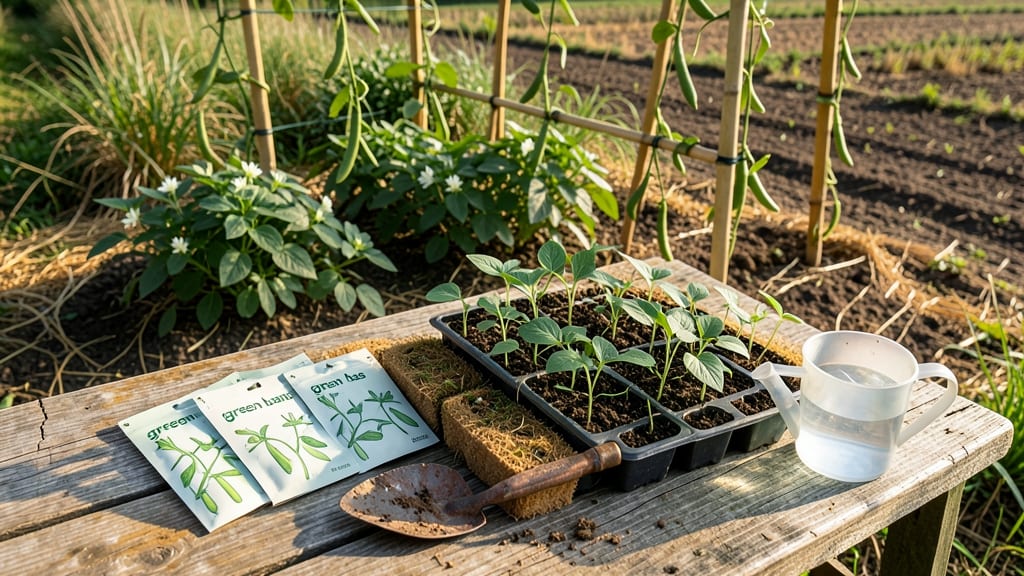
Planting green beans in Portland, Oregon, depends on your microclimate—spring plantings should start April 15 after the last frost, while late-summer varieties go in by August 15 for fall harvests.
Portland’s unpredictable microclimates—from the Willamette Valley’s mild winters to the cooler hills—can make green bean planting a guessing game if you don’t know the exact frost-free windows. Plant too early, and your seedlings will shiver; too late, and you’ll miss the sweet summer harvest.
In USDA Zone 8a, soil temperatures must hit at least 50°F before seeds go in, which usually aligns with late April for most areas. Urban heat islands may warm up faster, while higher elevations like the West Hills stay colder longer.
Below, I break down the best planting windows by neighborhood, when to start seeds indoors (if at all), and how to stretch your harvest with succession planting—so you’re picking fresh pods from July through October.
Portland’s frost-free dates by microclimate: when to plant green beans for maximum yield
Portland’s USDA zones 7-9 create a patchwork of microclimates where last frost dates can vary by 2-3 weeks between neighborhoods. The Willamette Valley typically warms earlier than the West Hills or urban heat islands like Southeast Portland.
For green beans, this means your planting window could shift from mid-April in warm pockets to early May in cooler microclimates.
Green beans thrive when soil temperatures hit 55°F+ consistently, but they’re frost-sensitive seedlings. Waiting until 2-3 weeks after your local last frost date ensures safe germination.
In Portland, this usually lands between April 15 and May 15, but urban gardens near I-84 may start 1-2 weeks earlier thanks to heat island effects.
Soil temperature is your true guide—use a soil thermometer to confirm readiness. In Zone 8a (most of Portland), aim for April 20-May 10 for spring plantings. For pole beans, which take longer to mature, start 1-2 weeks earlier than bush varieties. Late summer plantings (for fall harvests) should go in by July 15 to mature before first frost in October.
| Microclimate | Avg Last Frost | Optimal Planting Window | Soil Temp Threshold | Notes |
|---|---|---|---|---|
| Willamette Valley (e.g., Beaverton, Tigard) | April 1-15 | April 15-May 1 | 55°F+ | Warmest microclimate; earliest plantings |
| Urban Heat Islands (SE PDX, Lloyd District) | April 5-10 | April 20-April 30 | 55°F+ | Start 1 week earlier than average |
| West Hills (St. Johns, Gresham) | April 15-30 | May 1-May 15 | 55°F+ | Cooler nights delay warming |
| East Hills (Happy Valley, Woodland) | April 20-May 5 | May 5-May 20 | 55°F+ | Plant near south-facing walls |
| Late Summer Planting (All Areas) | N/A | July 15-August 15 | 60°F+ | For fall harvest; use fast-maturing varieties |
For bush beans, which mature in 50-60 days, stick to the earlier windows (April 15-May 1). Pole beans, needing 60-75 days, benefit from the extended windows (May 1-May 15) to ensure full growth.
If you’re in a cooler microclimate, opt for compact pole varieties like 'Blue Lake' or 'Kentucky Wonder'—they handle shorter seasons better.
Pro tip: Black plastic mulch can warm soil by 5-10°F, letting you plant 1 week earlier in cooler zones. In urban gardens, container-growing on patios gives you microclimate control—just move pots to sunniest spots as the season progresses.
Always harden off seedlings for 3-5 days before transplanting to avoid shock.
Portland’s rainy springs can delay planting, so keep seedlings indoors under grow lights until soil is workable. Test soil moisture—green beans hate soggy roots. If your area gets consistent rain, raise beds or use drip irrigation to maintain consistent moisture without waterlogging.
Don’t forget succession planting! For continuous harvests, sow new seeds every 2 weeks from May through July.
This works especially well for bush beans, which produce a single harvest wave. Pole beans, with their longer vines, can handle staggered plantings too—just give them 3-4 feet of space to climb.
If you’re in Zone 9 pockets (like Southwest Portland), you might squeeze in a third planting in early September for a fall harvest. Choose cold-tolerant varieties like 'Provider' or 'Tendergreen' and use row covers if frost threatens.
Always monitor Portland’s weather forecasts—the National Weather Service updates frost advisories that can shift your timeline by days.
How to extend your green bean season in Portland: succession planting and cold protection tips
Portland’s cool, rainy springs and unpredictable fall weather can shrink your green bean harvest if you don’t plan ahead. The key to a longer season? Succession planting and smart cold protection.
By staggering plantings and using simple tools like row covers, you can enjoy fresh beans from early summer to late fall—even in Zone 8a.
Most gardeners in Portland focus on one planting window, but with 3-4 successive plantings, you can stretch harvests by 8-10 weeks. The trick is timing each batch to mature before the first frost (around October 15) while avoiding overcrowding.
Let’s break down the exact spacing, intervals, and cold-hardy tricks you need.
🌱 Portland Green Bean Succession Planting Guide
- 📅 First Planting: April 15-30 (after last frost, soil at 55°F+)
- 🌱 Spacing: 4-6 inches apart (bush) or 6-8 inches apart (pole)
- ⏳ Second Planting: May 15-20 (3-4 weeks after first, for staggered harvests)
- 🛡️ Cold Protection: Use row covers for 30°F nights to extend season
- 🌡️ Soil Warmth: Black plastic mulch raises soil 5-10°F for faster germination
- 📅 Late Planting: July 15-30 (choose 50-day varieties for fall harvest)
- ⚠️ Avoid: Planting after August 15—beans need 60+ days to mature before frost
For earlier harvests, start seeds indoors 4-6 weeks before your last frost date (around February 15). Use biodegradable pots to transplant seedlings without disturbing roots. Harden them off for 7-10 days before moving outdoors. This head start lets you plant outdoors 2 weeks earlier than direct-sown beans.
Cold frames and low tunnels are game-changers for Portland’s cool nights. A simple hoop house with row cover can protect plants down to 25°F, letting you harvest 2-3 weeks later than uncovered beds.
For extra warmth, lay down black plastic mulch 1-2 weeks before planting—it warms soil faster and suppresses weeds. Just remove it 2 weeks before harvest to avoid bitter flavors.
Overcrowding is a common mistake that reduces yield. Stick to 4-6 inches between bush beans and 6-8 inches for pole varieties. If you’re using trellises, space rows 18-24 inches apart to allow airflow and prevent disease.
And always thin seedlings to the strongest plant every 2-3 inches—this ensures each plant gets enough nutrients and sunlight.
For a fall harvest, your last planting should be no later than August 15. Choose quick-maturing varieties (like ‘Blue Lake’ or ‘Contender’, which take 50-55 days) to ensure pods fill out before frost.
Monitor weather forecasts and use row covers on 30°F nights—this can push your harvest into early October.