
Plants
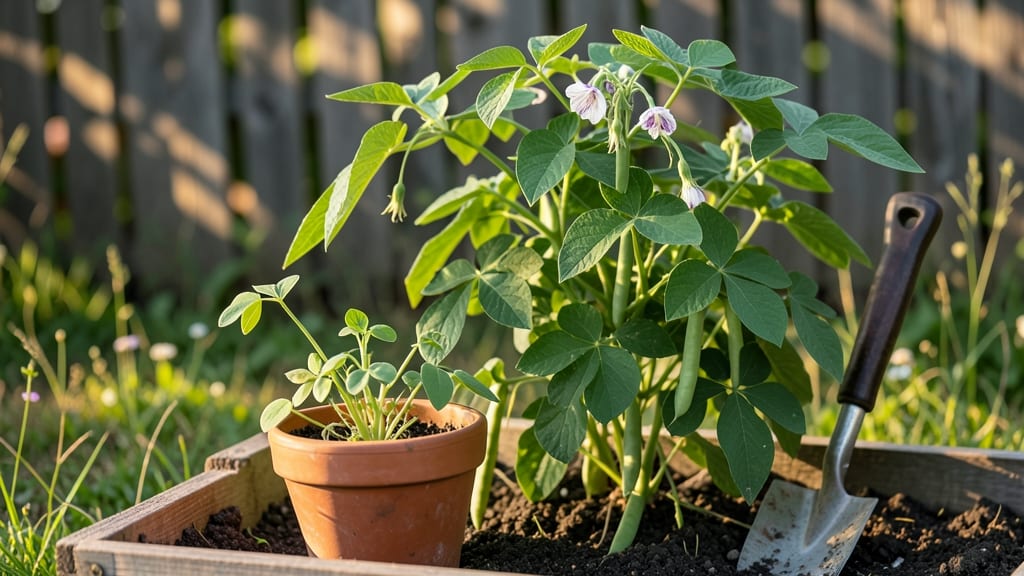
Plant beans in Kentucky when soil temperatures hit 60°F and at least two weeks after your last frost date—typically between April 15 and June 1 for spring plantings.
Miss that window, and you risk frost-nipped seedlings or beans bolting in the heat. Kentucky’s 6a-7b zones create microclimates where timing can mean the difference between a bountiful harvest and a sad, stunted plant.
Whether you’re growing bush beans for quick pickings or pole beans for a summer-long supply, the right schedule keeps your garden productive. Below, I break down the best months by zone, soil prep tips, and how to stretch your harvest with succession plantings.
Ready to grow? You’ll also learn how to spot the perfect planting moment—and avoid the three mistakes that ruin even the hardiest beans.
Kentucky bean planting calendar by USDA hardiness Zone (frost-free dates)
Kentucky’s five USDA hardiness zones (5a-7a) create dramatic differences in frost-free dates, making timing critical for bean germination. Plant too early, and frost will kill tender seedlings; too late, and summer heat arrives before you harvest.
I’ll break down optimal planting windows for each zone, including soil temperature thresholds and last-frost averages based on 30-year climate data.
Beans thrive in warm soil (60°F+) and consistent daytime temperatures above 55°F. Most Kentucky gardeners plant two main crops: a spring planting for summer harvests and a late-summer planting for fall yields.
The key? Wait until after the last frost and soil warms—never rush it, or your beans will struggle.
🌱 Use this summary table as your planting guide, adjusting for your exact microclimate (e.g., Louisville’s Zone 7a warms faster than Zone 5a in Paducah). For transplanting (not direct sowing), add 2-3 weeks to these dates to account for seedling establishment.
| USDA Zone | Last Frost (Avg.) | Soil Temp Threshold | Direct Sow Window | Transplant Window | Harvest Window |
|---|---|---|---|---|---|
| 5a (Northern KY) | April 25 | 60°F+ | May 10–June 1 | April 15–May 1 | July–August |
| 6a (Central KY) | April 10 | 60°F+ | April 25–May 15 | April 1–April 15 | June–September |
| 6b (Western KY) | April 5 | 60°F+ | April 20–May 10 | March 25–April 10 | June–September |
| 7a (Southern KY) | March 25 | 60°F+ | March 20–April 15 | March 1–March 15 | May–October |
| 7b (Far South KY) | March 15 | 60°F+ | March 10–April 10 | February 25–March 10 | May–November |
⚠️ Note: Adjust for microclimates (e.g., valleys frost later; hills warm faster).
For Zone 5a gardeners (e.g., Morehead or Pikeville), focus on early-maturing varieties like ‘Blue Lake Bush’ (55 days) to beat summer’s end. In Zone 7a (Bowling Green or Hopkinsville), you can stretch harvests with succession plantings every 2 weeks through July.
Always test soil temperature with a soil thermometer—beans won’t germinate below 55°F, and growth stalls below 60°F. I recommend planting pole beans (like ‘Kentucky Wonder’) in Zone 6b+ for extended harvests, as they tolerate heat better than bush varieties.
If you’re transplanting seedlings (instead of direct sowing), harden them off for 7–10 days before setting them out. Use black plastic mulch to warm soil faster in cooler zones—it can add 2–3 weeks to your planting window by raising soil temps by 5–10°F.
For late-summer plantings (to harvest into fall), aim for July 15–August 15 in all zones except 7b, where you can push it to August 30. Choose heat-tolerant varieties like ‘Rattlesnake’ beans for southern zones—they handle 90°F+ days without bolting.
Pro tip: Soak seeds overnight before planting to speed germination. I’ve seen 30–50% faster sprouting with this trick, especially in Zone 5a’s cooler soils. Pair beans with corn and squash (the Three Sisters method) to improve yields and deter pests.
🌿 Remember:
Best bean varieties for Kentucky’s climate and when to plant them
Kentucky’s humid subtropical climate in southern zones and moderate continental in northern areas creates perfect conditions for beans—if you pick the right varieties. Bush beans thrive in shorter seasons, while pole beans reward patient gardeners with extended harvests.
For heat-tolerant options, southern KY gardeners should prioritize varieties like ‘Blue Lake’ or ‘Scarlet Runner’, which handle summer’s 90°F+ temperatures without wilting.
Northern KY’s cooler springs demand early-maturing varieties like ‘Kentucky Wonder’ or ‘Blue Lake Bush’, which reach harvest in just 50-55 days. Meanwhile, succession planting—sowing seeds every 2 weeks from May through July—ensures a steady supply of fresh pods all summer long.
This strategy works especially well for pole beans, which can produce for 3-4 months if given proper support.
🌱 Kentucky Bean Planting: Pros & Cons
✅ DO Plant:
- 📅 After last frost (soil at 60°F+)
- 🌿 Bush beans in northern KY (faster harvest)
- 🏃 Pole beans in southern KY (longer season)
- 🔄 Succession plant every 2 weeks for continuous yield
❌ Avoid:
- ❄️ Planting before soil warms (seeds rot below 55°F)
- 🌞 Shady spots (beans need 6+ hours sun)
- 💧 Overwatering (leads to bloom rot)
- 🕒 Late summer plantings (harvest before frost)
💡 Pro Tip: Test soil pH (aim for 6.0-7.0) and amend with compost for best results.
For northern Kentucky (USDA zones 6a-6b), focus on early-maturing bush beans like ‘Blue Lake Bush’ (55 days) or ‘Contender’ (50 days). These varieties handle Kentucky’s cool springs and produce before summer heat peaks.
Plant them in late April to early May, using black plastic mulch to warm the soil faster and deter weeds.
Southern Kentucky’s longer growing season (zones 7a-7b) opens doors to heat-tolerant pole beans like ‘Rattlesnake’ or ‘Scarlet Runner’, which thrive in 90°F+ temperatures and even produce edible flowers.
Start these in mid-May, giving them 6-8 feet of trellis space to climb. They’ll reward you with harvests from July through October if given proper care.
Don’t overlook succession planting—this simple trick extends your harvest by 4-6 weeks. After your first planting (around May 1), sow new seeds every 2 weeks until July 15.
This staggered approach ensures you’re always picking fresh pods while older plants mature. It’s especially effective for bush beans, which produce all at once but have a shorter harvest window.
Protect your beans from Kentucky’s humidity and pests by using row covers early in the season and neem oil sprays for aphids or bean beetles. Interplanting with marigolds deters pests naturally, while regular harvesting encourages more production.
With the right varieties and timing, you’ll enjoy a bountiful bean harvest from June through September—no matter where in Kentucky you garden.