
Plants
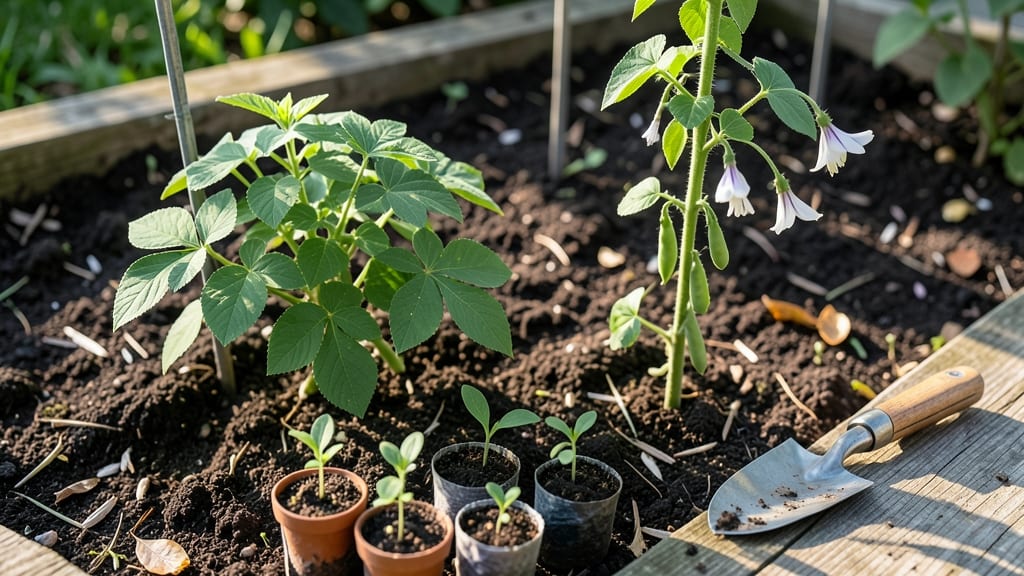
Planting green beans in Southern California at the right time means three harvests a year—spring, summer, and fall—but get the timing wrong, and you’ll end up with wilted vines or bitter pods.
Southern California’s mild winters and long growing seasons make it possible to harvest fresh green beans three times a year—but timing is everything. Plant too early or too late, and you’ll risk stunted growth, pests, or even total crop failure.
Coastal areas like Los Angeles and San Diego have cooler microclimates, while inland valleys like Riverside and the desert regions near Palm Springs demand heat-tolerant varieties. The key is knowing when to start seeds, how to prepare soil, and which varieties thrive in your specific zone.
In this guide, I’ll break down the best planting windows by microclimate, soil prep tips, and the three harvests you can squeeze into a year—plus the mistakes that ruin even the best-laid plans.
Southern California green bean planting zones: best months by microclimate
Southern California’s diverse microclimates create perfect conditions for growing green beans—but the right planting window varies dramatically from coastal LA to the Riverside Valley and Palm Springs desert.
Unlike northern climates, we don’t have to worry about frost, but heat stress and humidity differences dictate when to plant for maximum yields. Let’s break down the optimal months for each zone to ensure your beans thrive year-round.
In coastal areas like San Diego and Santa Monica, cooler temperatures and higher humidity allow for earlier spring plantings and fall extensions. Meanwhile, inland valleys like the San Fernando Valley and Riverside experience hotter summers, requiring shade cloth or succession planting in late summer.
The desert regions of Palm Springs and Coachella Valley have extreme heat, making fall and winter plantings the only viable options. Understanding these differences is key to avoiding stunted growth or pest outbreaks.
Here’s a microclimate comparison showing the best months to plant green beans, along with critical soil temperature thresholds and heat tolerance limits for each region. Use this as your guide to plan for three harvests per year—spring, summer, and fall—without risking crop failure.
| Microclimate | Best Planting Months | Soil Temp (°F) | Heat Tolerance | Harvest Window | Key Considerations |
|---|---|---|---|---|---|
| Coastal (LA, San Diego) | Feb-Mar, Aug-Sept | 60-70°F | Moderate (stress above 85°F) | May-June, Oct-Nov | High humidity; watch for fungal diseases |
| Inland Valley (SF Valley, Riverside) | Feb-Mar, Sept-Oct | 65-75°F | Low (stress above 90°F) | May, Oct-Nov | Hot summers; use shade cloth for late plantings |
| Desert (Palm Springs, Coachella) | Oct-Nov, Jan-Feb | 55-65°F | None (avoid summer) | Feb-Mar, Apr-May | Extreme heat; plant only in cooler months |
For coastal regions, the ideal planting window is February to March, when soil temperatures hover between 60-70°F. This timing avoids the spring heat spikes that can stress young plants.
A second planting in late August to September ensures a fall harvest before winter rains arrive. Use dwarf varieties like 'Blue Lake' or 'Contender' to handle the coastal humidity better.
Inland valleys like the San Fernando Valley and Riverside experience hotter, drier conditions, so plant in February-March for spring harvests and September-October for fall. The soil temperature must reach at least 65°F to prevent slow germination.
If you attempt summer plantings, use 30-50% shade cloth to protect plants from heat stress above 90°F.
Desert gardeners in Palm Springs and the Coachella Valley face the biggest challenges due to extreme heat. Plant only in fall (October-November) or winter (January-February) when daytime highs stay below 80°F.
Varieties like 'Kentucky Wonder' or 'Rattlesnake' tolerate cooler desert nights better. Avoid summer plantings entirely—green beans will bolt or fail in temperatures above 95°F.
No matter your microclimate, always test soil moisture before watering—overwatering in coastal areas leads to root rot, while underwatering in desert zones causes st
3-Step green bean planting schedule for 3 harvests: spring, summer, and fall
To achieve three green bean harvests in Southern California, you’ll need a strategic planting schedule that accounts for soil temperatures and seasonal heat. The key is succession planting—staggering your plantings every 6-8 weeks to keep a steady supply.
Start with cool-season varieties in early spring, transition to heat-tolerant types in summer, and finish with fall crops before temperatures drop.
Your first planting should begin when soil temperatures reach 60°F (15°C), which typically aligns with late February to early March for most of Southern California. This timing ensures your beans germinate quickly and avoid the heat stress that can stunt growth.
For coastal areas like San Diego or Santa Barbara, you can plant slightly earlier, while inland regions like Riverside or Palm Springs may need to wait until mid-March to avoid premature wilting.
- When: Late February - Early March
- Soil Temp: 60°F (15°C) minimum
- Varieties: 'Contender' (bush), 'Blue Lake' (pole)
- Companion: Plant with radishes or lettuce to deter pests
- When: Late July - Early August
- Soil Temp: Below 85°F (29°C) for germination
- Varieties: 'Black Valentine' (heat-tolerant), 'Mascotte' (dwarf)
- Companion: Pair with marigolds or nasturtiums for pest control
- When: Mid-August - Early September
- Soil Temp: 70°F (21°C) or cooler
- Varieties: 'Kentucky Wonder' (pole), 'Tendergreen' (bush)
- Companion: Interplant with spinach or kale for space efficiency
For succession planting, sow a new batch every 2-3 weeks after your initial planting. This ensures a continuous harvest rather than a single overwhelming yield.
In coastal areas, you can extend your fall harvest by planting into October, while inland gardeners should finish by mid-September to avoid early frost risks. Always choose dwarf or bush varieties for containers or small spaces, as they mature faster and require less support.
Extend your harvests by pairing green beans with companion plants that improve soil health and deter pests. Radishes and lettuce planted alongside your beans in spring will help break up soil compaction while repelling aphids.
In summer, marigolds release natural pesticides, and in fall, onions or garlic can keep slugs at bay. Mulch heavily with straw or wood chips to retain moisture and regulate soil temperature, which is especially critical during Southern California’s dry summers.
Monitor your plants closely for signs of heat stress, such as yellowing leaves or drooping vines. If temperatures exceed 90°F (32°C) for more than a week, provide afternoon shade and increase watering frequency to every 2-3 days.
Harvest regularly to encourage new pod production—picking every 2-3 days keeps plants productive and prevents over-maturation. With this schedule, you’ll enjoy fresh green beans from May through November, with minimal gaps between harvests.
Remember, Southern California’s microclimates can vary dramatically. Coastal areas stay cooler and more humid, while inland valleys experience higher daytime temperatures and lower nighttime humidity.
Adjust your planting dates accordingly: coastal gardeners can push spring plantings slightly earlier, while desert regions may need to delay until late March to avoid early heat stress. Always check your local USDA Zone (9b-10a) and historical weather patterns for the most accurate timing.