
Vegetables
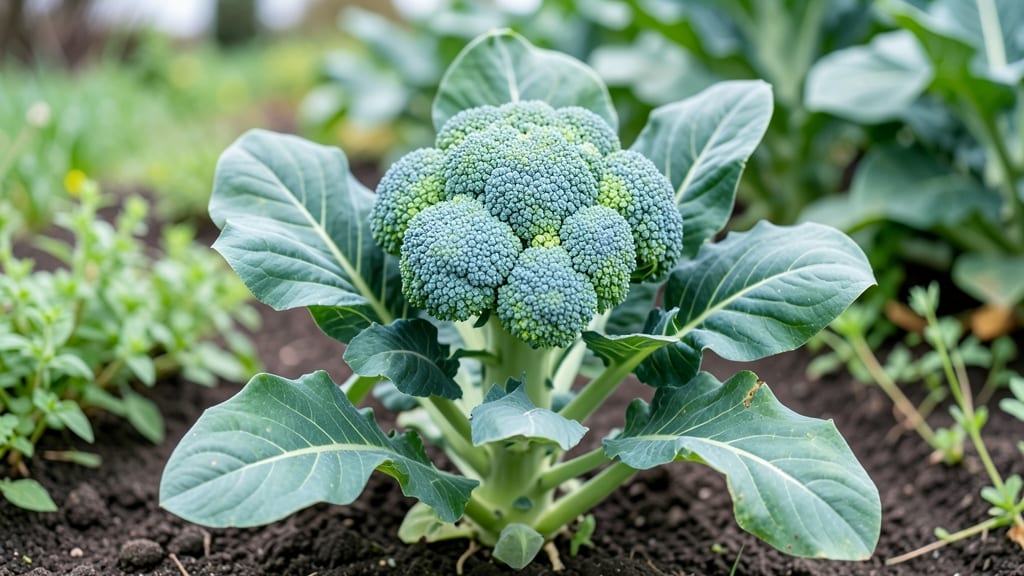
Growing broccoli and green beans together is like finding the perfect gardening duo—one thrives where the other falters, and together they create a low-maintenance, high-reward vegetable patch that keeps producing long after most gardens call it quits. 🌱 I learned this the hard way after my first failed attempt with broccoli bolting in the heat, only to discover green beans happily climbing nearby—now I plant them side by side every season.
Broccoli loves cool weather and 6-8 hours of sunlight daily, while green beans tolerate heat better and need similar soil conditions. The secret?
Start broccoli from seed indoors 6-8 weeks before your last frost, then transplant seedlings outdoors when soil temps hit 45°F. Green beans, on the other hand, can go straight into the ground after the last frost when soil warms to 60°F—planting them together means you’ll have fresh harvests from spring through fall.
By mid-summer, you’ll be snipping tender green bean pods while harvesting tight, flavorful broccoli crowns—the combination of their growth habits means you’re never left with empty garden space.
The beans fix nitrogen in the soil, giving broccoli a natural boost, and their vertical growth keeps pests off the broccoli leaves. It’s the gardening equivalent of a perfectly balanced meal: simple, satisfying, and endlessly productive.
This pair works in zones 3-10, though timing shifts slightly—cool-season broccoli in the north, heat-tolerant varieties in the south. Whether you’re a first-timer or a seasoned grower, this duo cuts down on planning and doubles your harvest. Let’s get those seeds in the ground!
📚 In This Guide
- What you need
- Instructions
- Tips and common mistakes
- Wrapping up and next steps
What you need
- ● Seeds: 1 pack of broccoli seeds (choose a variety suited to your zone, like ‘Calabrese’ or ‘De Cicco’)
- ● 1 pack of green bean seeds (bush or pole varieties, such as ‘Blue Lake’ or ‘Provider’)
- ● Growing Containers or Garden Bed: For containers: 5-gallon pots or raised beds (at least 12 inches deep for broccoli, 10 inches for green beans)
- ● For in-ground planting: Loose, well-draining soil (avoid heavy clay)
- ● Soil: 1 bag of high-quality potting mix or compost-enriched garden soil (aim for a pH of 6.0–7.0)
- ● Fertilizer: 1 bag of balanced organic fertilizer (e.g., 10-10-10) or compost
- ● Watering Can or Hose: With a gentle spray nozzle for even moisture
- ● Mulch: Straw or shredded leaves (to retain moisture and suppress weeds)
- ● Garden gloves (to protect your hands from thorns or rough soil)
- ● Trellis or stakes (if growing pole beans—3–6 feet tall)
- ● Row covers or frost cloth (for early/late planting in cooler zones)
- ● pH testing kit (to monitor soil acidity)
- ● Pruning shears (for harvesting and trimming)
Step-by-Step instructions for planting broccoli and green beans together
Here’s how I combine these two crops for a productive, low-maintenance garden bed.
🌱 Step 1: Choose the Right Location and Soil
Broccoli and green beans thrive in the same conditions: full sun (6+ hours daily) and well-draining soil with a pH of 6.0-7.0. I test my soil first—broccoli needs slightly richer soil than beans, so I’ll amend with 2-3 inches of compost before planting. Work it into the top 6 inches of soil to create a loose, crumbly texture that encourages root growth.
If your soil is heavy clay, mix in 1 part sand or perlite per 3 parts soil to improve drainage. Both plants hate soggy roots, so raised beds work beautifully if your yard has poor natural drainage. I like to plant them in a 3-foot-wide row—broccoli along one edge and beans on the other—so they don’t compete for space as they mature.
🌱 Step 2: Plant Broccoli First, Then Green Beans
Start with broccoli since it takes longer to mature. Plant seeds or transplants ¼ inch deep and 18 inches apart, with rows 24 inches apart. I like to use transplants for broccoli because they establish faster—just be sure to harden them off first. Water gently after planting to settle the soil around the roots.
Once broccoli seedlings reach 4 inches tall, it’s safe to plant green beans. Sow seeds 1 inch deep and 2-3 inches apart in rows 18 inches apart. I plant them on the opposite side of the broccoli to maximize space. Green beans are nitrogen-fixers, so they’ll actually improve the soil for the broccoli as they grow.
☀️ Step 3: Water and Mulch for Consistent Growth
Both crops need 1-1.5 inches of water per week, but broccoli is more sensitive to moisture fluctuations. I water deeply in the morning to reduce evaporation, aiming for soil that stays consistently moist but not soggy. A 2-inch layer of straw mulch keeps moisture in and weeds out—just be sure to pull it back slightly when the broccoli heads form so they don’t rot.
Green beans are more drought-tolerant, but they’ll produce better if they get steady water. I check the soil daily during hot spells—if the top 1 inch feels dry, it’s time to water. Avoid overhead sprinkling after dark to prevent fungal diseases, especially on broccoli.
🌿 Step 4: Fertilize and Support as Needed
Broccoli is a heavy feeder, so I side-dress it with 1 tablespoon of 10-10-10 fertilizer per plant when the first true leaves appear. Green beans don’t need extra fertilizer—they pull nitrogen from the air. However, if the beans start looking pale, a light application of compost tea can give them a boost.
Green beans may need trellising if they’re bush varieties or if you’re growing pole beans. I use 5-foot-tall stakes or a simple wire trellis to keep vines off the ground and improve airflow. Broccoli doesn’t need support, but if your plants get leggy, I’ll add a small cage or stake to keep them upright as they develop heads.
✂️ Step 5: Harvest for Continuous Yields
Broccoli is ready to harvest when the heads are 6-8 inches wide and the buds are still tight. Cut the stem 5-6 inches below the head to encourage side shoots. I harvest broccoli in the morning for the freshest flavor, and I’ll check the plant every 2-3 days—new side shoots can form quickly if conditions are right.
Green beans are ready when pods are 4-6 inches long and snap easily when bent. I pick beans every 2-3 days to encourage more production—leaving them too long on the vine makes them tough and woody. If you’re growing pole beans, twist them gently to avoid damaging the vines. With proper care, both crops will give you harvests for 6-8 weeks.
Tips & tricks for growing broccoli and green beans together
These simple strategies will help you maximize your garden space while ensuring both crops thrive side by side.
Soil Prep Secret: The key to successful planting lies in the soil preparation. In Step 1, when you're amending the soil with 2-3 inches of compost, I recommend adding a handful of worm castings too. Worm castings provide beneficial microbes that help both broccoli and green beans absorb nutrients more efficiently. This extra step gives you healthier plants right from the start.
Planting Timing: In Step 2, the instructions mention waiting until broccoli seedlings reach 4 inches tall before planting green beans. I've found that checking for the first true leaves (not just height) is a better indicator. True leaves are the second set of leaves that appear after the initial seed leaves. They look more mature and are a clearer sign that the broccoli is ready for its companion crop.
Watering Wisdom: Step 3 emphasizes consistent moisture, but here's a pro tip: use a moisture meter to check soil moisture rather than relying on visual cues. Both crops need that 1-1.5 inches of water weekly, but heavy clay soils can fool you into thinking they're dry when they're actually holding plenty of moisture. A moisture meter gives you precise readings, especially important for broccoli which is sensitive to overwatering.
Harvest Hack: When harvesting broccoli in Step 5, I've discovered that cutting the stem 5-6 inches below the head actually encourages even more side shoots if you make the cut at a slight angle. This angled cut creates a larger surface area for new growth to emerge from. For green beans, I recommend harvesting every other day during peak production to maintain consistent yields—this prevents the plants from becoming overloaded with pods.
Pro Tips for Broccoli And Green Beans
- These simple strategies will help you maximize your garden space while ensuring both crops thrive side by side.
- Soil Prep Secret: The key to successful planting lies in the soil preparation.
- Planting Timing: In Step 2, the instructions mention waiting until broccoli seedlings reach 4 inches tall before planting green beans.
Frequently asked questions
Got questions about growing broccoli and green beans together? You’re not alone! Here are some of the most common queries—plus quick, actionable answers to help you grow like a pro.
Can broccoli and green beans grow together in the same garden bed?
Yes! These veggies make great companions. Broccoli thrives in cooler weather (spring/fall), while green beans prefer warm soil (summer). Plant broccoli first (6–8 weeks before last frost), then add beans after the broccoli harvests. Use trellises for beans to save space—both plants will coexist peacefully!
How do I know when to harvest broccoli and green beans for the best flavor?
For broccoli, harvest when heads are firm and florets are tight (about 3–6 inches wide). Cut the main head first, then watch for side shoots. Green beans should be picked when pods are crisp and 4–6 inches long—check every 2–3 days to encourage more production. Pro tip: Morning harvests yield the freshest taste!
What should I do if my green beans turn yellow or my broccoli bolts too early?
Yellowing beans often signal overmaturity or disease (like mosaic virus). Pull affected plants and rotate crops next season. For broccoli bolting (premature flowering), check heat stress—plant in partial shade during hot spells or opt for bolt-resistant varieties like ‘De Cicco’. Fix: Mulch to retain moisture and cool roots.
Are there easy alternatives if I can’t grow broccoli or green beans?
Swap broccoli for cauliflower (similar care) or kale (hardier, cold-tolerant). For beans, try bush beans (no trellis needed) or peas (great early-season companion). Both pairs thrive in the same conditions—just adjust planting times!
How often should I fertilize broccoli and green beans?
Start with balanced fertilizer (10-10-10) at planting. Broccoli needs nitrogen-heavy feed (like compost tea) every 3–4 weeks. Green beans? Light feeding is key—too much nitrogen = fewer pods. Use a low-nitrogen fertilizer (5-10-10) or side-dress with compost. Test soil first to avoid overdoing it!
Still stumped? Drop your question in the comments—we’re happy to help troubleshoot your garden!
Wrapping up and next steps
Growing broccoli and green beans is a rewarding journey that brings fresh, nutritious harvests straight to your table—no matter your climate zone! 🌱 With the right timing, soil prep, and care, you can enjoy year-round success.
Whether you're a beginner or a seasoned gardener, these veggies are your ticket to a thriving garden and healthier meals.
Ready to take the next step? Start small—pick one variety to grow this season, then expand your garden as you gain confidence. Happy planting, and may your harvests be abundant! 🌟