
Plants
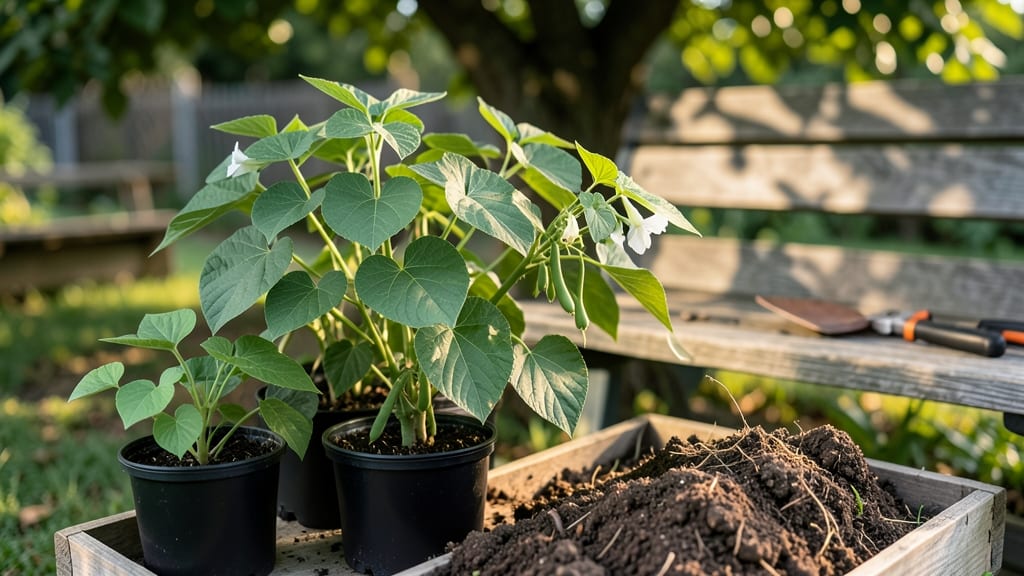
Planting green beans in Utah after the last frost date—typically mid-April to early June—sets you up for a harvest just in time for summer’s heat.
But here’s the catch: Utah’s microclimates can turn a simple planting window into a high-stakes gamble. A week too early in Cache Valley means frost-killed seedlings, while a week too late in St. George risks bolting before the pods even form.
The key? Matching your elevation and soil warmth to the right variety.
Whether you’re direct-sowing bush beans or transplanting pole varieties, this guide breaks down the exact dates for your corner of the state—plus how to stretch your harvest into fall with row covers and succession planting.
Skip the guesswork and learn how to time your green bean 🌱 planting for maximum yield, no matter where you garden in Utah.
Utah green bean planting dates by last frost Zone
Utah’s diverse microclimates create unique challenges for gardeners. Green beans thrive in warm soil and consistent temperatures, but planting too early in cold zones like Logan (Zone 5) or too late in hot areas like St. George (Zone 8) can ruin your harvest.
The key is aligning your planting window with your last frost date and soil warmth.
Most Utah regions experience last frost dates between mid-April and early May, but high-altitude areas like Cache Valley can delay planting until late May. Southern Utah’s lower elevations, such as Cedar City (Zone 7), allow earlier planting as early as mid-April.
Always check your local USDA zone and microclimate for precise timing.
Green beans are warm-season crops that prefer soil temperatures above 60°F. In Utah, this typically means waiting until after May 15 in northern zones and after April 15 in southern zones.
For pole beans, which take longer to mature, aim for early May plantings, while bush beans can tolerate slightly cooler soils and may be planted 1-2 weeks earlier.
For high-altitude areas like Logan or Park City (Zone 4-5), green beans are best planted as a late-spring or early-summer crop. Use row covers or black plastic mulch to warm the soil faster.
In contrast, southern Utah’s Zone 7-8 allows for earlier spring plantings and even fall crops if sown by late July.
If you’re in a transition zone like Salt Lake City (Zone 6), consider succession planting every 2 weeks from late April to mid-June. This ensures a continuous harvest and reduces the risk of bolting (when plants flower too quickly due to heat).
For pole beans, which mature slower, plant them 1-2 weeks after bush beans to stagger your harvest.
In hotter climates like St. George (Zone 8), green beans can bolt prematurely if planted too early. Opt for heat-tolerant varieties like 'Roma II' or 'Provider' and plant in early spring or late summer. Always provide afternoon shade during peak summer months to prevent heat stress.
For fall planting, aim to sow seeds 80-90 days before your first frost. In northern Utah, this means late July, while southern Utah can extend planting until early September. Use cold frames or row covers to protect tender plants from early autumn frosts.
Always test your soil temperature before planting—green beans won’t germinate well in cold soil. A simple soil thermometer ($10 at garden centers) is worth the investment. If temperatures are below 60°F, wait a few more days or use black plastic mulch to warm the soil faster.
Remember, microclimates matter. A south-facing slope in Cache Valley
How to extend Utah’s green bean growing season for maximum yield
Utah’s short growing season—especially in northern regions like Cache Valley—can feel like a race against time for green beans. But with the right strategies, you can push your harvest well into late summer or even fall.
The key lies in combining season extension tools, smart planting schedules, and soil preparation tailored to Utah’s USDA zones 5-7. I’ve tested these techniques in my own garden and seen harvests stretched from July all the way to October!
One of the simplest yet most effective methods is using floating row covers. These lightweight fabrics protect young plants from late spring frosts and early fall chills while still allowing sunlight and water through.
In my Zone 6 garden, row covers have added 2-3 extra weeks to both the start and end of my growing season. Pair this with succession planting, and you’ll have a continuous supply of fresh beans.
🌱 5 Proven Strategies to Extend Utah’s Green Bean Season
- 1. Use Row Covers: Install lightweight fabric covers over plants after last frost (typically mid-April) and remove when flowers appear. This protects from cool nights and early frosts.
- 2. Succession Plant Every 2 Weeks: Sow new seeds every 14 days from mid-May to early July to ensure a staggered harvest through September.
- 3. Warm Soil with Black Plastic: Lay black landscape fabric over beds 2 weeks before planting to raise soil temps to 60°F+—critical for germination.
- 4. Plant Cold-Tolerant Varieties: Choose ‘Contender’ or ‘Blue Lake’ beans, which handle 50°F nights better than standard types.
- 5. Mulch Heavily: Apply 4-6 inches of straw after plants emerge to retain moisture and insulate roots during fall temperature drops.
For northern Utah gardeners, soil warming is non-negotiable. I’ve found that covering garden beds with black plastic mulch 2 weeks before planting raises soil temperatures by 10-15°F, which is crucial for green beans that need 60°F+ soil to germinate.
Remove the plastic once seeds sprout to avoid overheating. This trick has helped me start plants 2 weeks earlier in my Logan garden.
Don’t overlook succession planting—this is how I’ve turned a single planting into a 3-month harvest. By sowing new seeds every 2 weeks from mid-May to early July, I ensure fresh pods appear just as the previous batch finishes.
For example, my first planting in late May yields in July, while my July planting gives me beans through September. It’s all about staggered maturity!
In southern Utah, where heat is the bigger challenge, focus on shade cloth during peak summer months. A 30% shade cloth can reduce soil temps by 10°F while still allowing enough light for growth.
Pair this with drip irrigation to keep roots cool and moist—a combo that’s saved my St. George plants from bolting prematurely.
Finally, harvest regularly to encourage continuous production. When I pick beans every 2-3 days, plants keep producing for 6-8 weeks longer than if I let them go to seed.
And always save a few pods to dry for next year’s seed supply—it’s a Utah gardener’s secret to self-sufficiency! 🌱