
Companion Plants
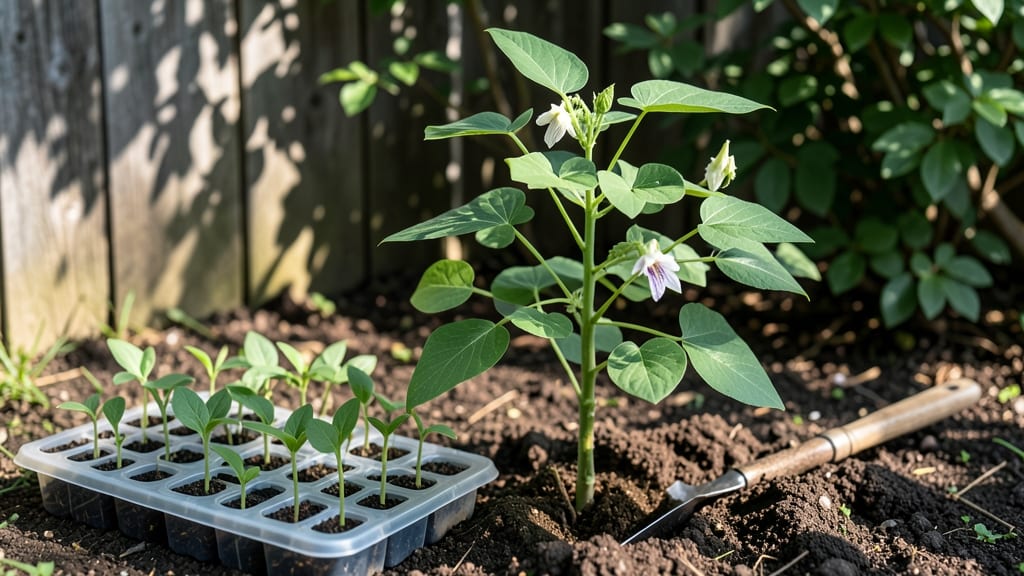
Planting green beans in Washington State at the right time ensures a bountiful harvest—and missing the window can mean lost crops or stunted growth.
Washington State’s diverse climate—from the Pacific Coast to the inland valleys—means timing is everything for 🌱 green beans. Plant too early, and a late frost will wipe them out; too late, and the heat arrives before the pods form.
The key is knowing when to start seeds or set out transplants in your specific USDA zone, whether you’re in Zone 5b or Zone 9a.
In this guide, I’ll break down the best planting windows for spring and fall harvests, how to prep your soil for success, and which varieties thrive in Washington’s unique microclimates. No more guessing—just a reliable, flavorful crop from seed to table.
Ready to grow? Let’s dive into the exact dates, soil tips, and companion plants that’ll turn your garden into a bean bonanza.
Best planting months for green beans in Washington State by USDA Zone
Washington State’s USDA Zones 6-9 create unique challenges for green bean growers. Coastal areas like Zone 8-9 (e.g., Seattle, Bellingham) enjoy milder winters, while inland Zone 6-7 (e.g., Yakima, Wenatchee) face earlier frosts.
Timing your planting to align with soil temperatures of 60-65°F and avoiding frost ensures robust germination and growth.
Green beans thrive in two planting windows: spring (after last frost) and fall (for a late harvest). In Washington, this translates to late April–early June for spring and July–early August for fall.
However, your exact timing depends on your USDA Zone and local microclimate—mountain valleys may need adjustments compared to coastal regions.
Soil temperature is critical for germination. Green bean seeds won’t sprout until soil reaches 60°F, and ideal conditions are 65-75°F. Use a soil thermometer to monitor—especially in Zone 6, where cooler springs delay planting. In Zone 9, you can plant as early as mid-March if soil warms quickly.
Here’s a zone-specific breakdown of when to plant for maximum success, including early vs. late varieties and frost considerations:
| USDA Zone | Best Planting Window | Soil Temp for Germination | Recommended Varieties | Frost Risk |
|---|---|---|---|---|
| 6 (Eastern WA) | Late May–June (spring) OR July 15–Aug 1 | 65–70°F (wait for warmth) | ‘Tendercrop’ (bush), ‘Kentucky Wonder’ (pole) | High (last frost: May 15; first frost: Oct 1) |
| 7 (Inland WA) | Early May–June 10 (spring) OR July 1–July 15 | 60–65°F (soil thermometer check) | ‘Blue Lake’ (bush), ‘Rattlesnake’ (pole) | Moderate (last frost: May 1; first frost: Oct 15) |
| 8 (Western WA) | April 15–May 15 (spring) OR July 10–Aug 10 | 55–60°F (cooler soil tolerable) | ‘Contender’ (heat-tolerant), ‘Maxibel’ (pole) | Low (last frost: April 15; first frost: Nov 1) |
| 9 (Coastal WA) | March 15–April 30 (spring) OR July–Aug (fall) | 50–55°F (early start possible) | ‘Provider’ (bush), ‘Blue Lake’ (pole) | Minimal (last frost: March 1; first frost: Nov 15) |
For Zone 6 gardeners, prioritize late varieties like ‘Kentucky Wonder’ to avoid frost. These pole beans mature in 60 days, giving them time to produce before first frost.
In Zone 9, you can even try two spring plantings: one in March and another in May for a staggered harvest.
If you’re in Zone 7 or 8, consider succession planting every 2 weeks after your initial date. This ensures a continuous supply of fresh beans. For example, plant ‘Blue Lake’ on May 1, then again on May 15 and June 1.
Each batch will mature 50–60 days later, extending your harvest through summer.
Always check your local last frost date—tools like the Old Farmer’s Almanac or your local Cooperative Extension office provide hyper-local data. In Eastern WA (Zone 6), wait until May 15 to plant, while Western WA (Zone 8) can start as early as April 15.
This precision prevents frost damage to tender seedlings.
Pro tip: Use black plastic mulch to warm soil faster in cooler zones. Lay it down 1–2 weeks before planting to create a microclimate that speeds up germination. Pair this with row covers if late frosts threaten, especially in Zone 6
How to extend your green bean harvest season in Washington’s climate
Washington’s cool coastal and warmer inland climates create unique challenges for green bean growers. While spring and summer are ideal for most varieties, late frosts and summer heat can shorten your harvest window. The key to a year-round supply lies in strategic planting and protective measures.
By using succession planting, row covers, and staggered sowing, you can enjoy fresh green beans from June through October—or even longer! The secret is understanding how to adapt to Washington’s microclimates while avoiding common pitfalls.
In Western Washington (Zones 7b-9a), where summers are mild and winters wet, you can push your harvest later into the season. Meanwhile, Eastern Washington (Zones 5b-7a) faces hotter summers and earlier frosts, requiring earlier plantings and faster-maturing varieties.
Both regions benefit from protective row covers to shield young plants from late-spring frosts (common until May 15 in many areas) and heat stress that can cause blossom drop. Let’s break down the proven strategies to maximize your green bean harvest.
🌱 5 Key Strategies to Extend Your Green Bean Harvest
- 1. Staggered Planting: Sow seeds every 2-3 weeks from late April to early July for continuous harvests. Example: Plant first batch May 1, second May 15, and final June 1 for a 3-month harvest window.
- 2. Succession Planting: Use fast-maturing varieties (e.g., ‘Blue Lake’) every 2 weeks to replace finished crops. Ideal for Eastern WA where summers are short.
- 3. Row Covers: Protect seedlings with floating row covers until soil temps reach 55°F. Extend fall harvests by covering plants in September to delay frost damage (up to 2-3 weeks).
- 4. Pole vs. Bush: Plant pole beans (e.g., ‘Kentucky Wonder’) for taller yields and bush beans (e.g., ‘Contender’) for compact, early harvests. Pole beans tolerate heat better and produce longer.
- 5. Soil Prep: Amend soil with compost and aged manure before planting. Green beans thrive in well-draining soil with a pH of 6.0-7.0. Avoid planting in the same spot yearly to prevent soil-borne diseases.
One of the biggest mistakes gardeners make is planting all their green beans at once, only to face a glut of pods followed by a sudden end to the harvest. Instead, space out plantings by 2-3 weeks to ensure a steady supply.
For example, in Western Washington, start your first batch around May 1 (after the last frost date) and continue through June 15. This approach works especially well for bush varieties, which mature quickly (in 50-60 days) and are perfect for succession planting.
For Eastern Washington, where summers are hotter and shorter, focus on early-maturing varieties like ‘Blue Lake’ or ‘Tendergreen’. These can be planted as early as April 15 in sheltered microclimates, with a final planting by June 15 to avoid summer heat stress.
If you’re in a high-desert area, consider using shade cloth during peak afternoon heat to protect plants from wilting. Even a 30% shade cloth can make a significant difference in pod development.
Don’t overlook the power of row covers to extend your harvest into fall. In Western Washington, where first frosts often hit in mid-October, you can push your last planting to late July and use row covers to protect plants until early November.
For Eastern Washington, where frosts arrive earlier (sometimes as early as September 30), aim for a late August planting and cover plants by mid-September. Just remember to secure row covers tightly to prevent pests like bean beetles from infiltrating.
Finally, pay attention to soil temperature and moisture levels, as these are critical for germination and growth. Green beans germinate best in soil that’s at least 55°F, so wait until late spring to plant if early sowings risk cold soil.
Keep the soil consistently moist (but not soggy) during flowering and pod development, as water stress can lead to blossom drop or stunted pods. Mulching with straw or grass clippings helps retain moisture and regulate soil temperature—especially valuable in Eastern Washington’s dry summers.
With these strategies, you’ll transform your green bean harvest from a short, intense burst into a long, reliable supply of fresh pods. Whether you’re growing for your family, farmers’ markets, or canning, extending your season means more beans for less effort—and who doesn’t love that? Happy planting! 🌱