
Plants
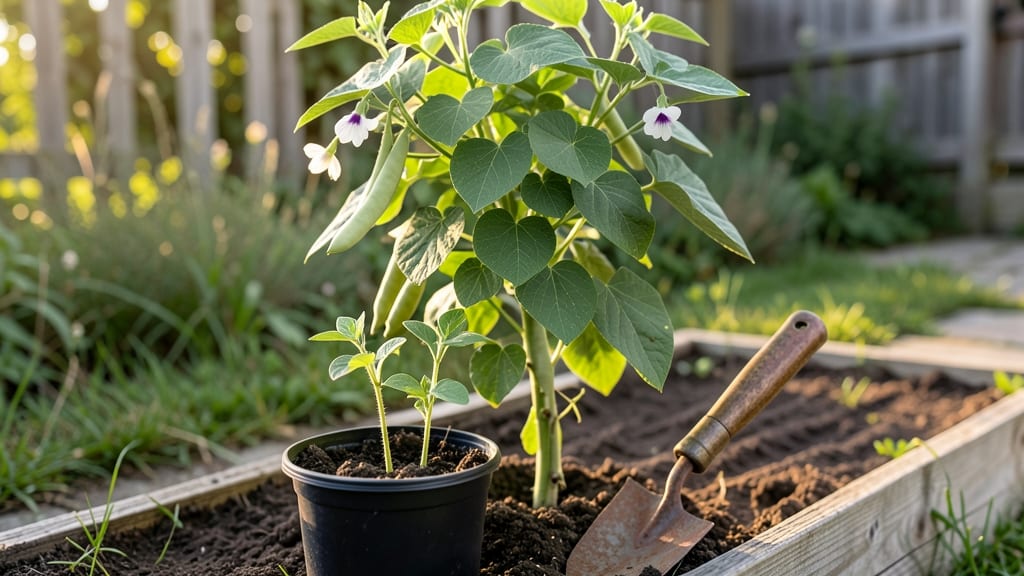
Planting green beans in Wisconsin after your last frost date is the key to a bountiful harvest 🌱—whether you're in chilly Zone 5a or warmer Zone 6b, timing makes all the difference.
Wisconsin gardeners know timing is everything—plant green beans too early, and frost will ruin your crop; too late, and you’ll miss the sweetest harvest. Here’s your zone-by-zone guide to planting green beans at the perfect moment for maximum yield.
From mid-April in southern Wisconsin to late May in the north, your planting window is tight but doable. The right variety—whether bush or pole—plus a few smart tricks, can stretch your harvest from July all the way into September.
Below, I’ll break down the exact dates by zone, how to prep your soil, and even how to squeeze in a second planting if summer stretches on. Let’s get those beans in the ground at the right time!
Wisconsin green bean planting dates by hardiness Zone (2024 guide)
Green beans thrive in Wisconsin’s short but sweet growing season, but timing is critical—late frosts can devastate tender seedlings while delayed planting shortens harvest windows.
Based on Wisconsin State Climatology Office data, here’s your zone-by-zone planting schedule for bush and pole varieties, including early and late windows to maximize yields.
Wisconsin spans USDA Hardiness Zones 3-7, with northern regions (Zone 3-4) facing earlier frosts and southern areas (Zone 6-7) enjoying longer summers. The average last frost dates range from mid-April in southern WI to early June in the north, making precise planning essential for success.
Use this summary table as your quick reference, then dive into adjustments for variable weather and variety recommendations tailored to your zone. Whether you’re growing ‘Blue Lake’ for snap beans or ‘Kentucky Wonder’ for drying, these dates ensure you’ll harvest at peak flavor and texture.
| Zone | Avg. Last Frost | Early Planting Window | Ideal Planting Window | Late Planting Window | Harvest Window |
|---|---|---|---|---|---|
| 3 (Northern WI) | May 15–June 1 | June 1–15 | June 15–July 1 | July 1–15 (fast varieties only) | July–August |
| 4 (Central WI) | May 1–15 | May 15–June 1 | June 1–20 | June 20–July 10 | July–September |
| 5 (Southern WI) | April 15–May 1 | April 30–May 15 | May 15–June 10 | June 10–25 | June–October |
| 6 (Southwest WI) | April 1–15 | April 15–May 1 | May 1–15 | May 15–June 10 | June–September |
| 7 (Extreme SW WI) | March 25–April 10 | April 10–25 | April 25–May 10 | May 10–25 | May–October |
In Zone 3 (northern WI), where frosts linger until June 1, focus on short-season varieties like ‘Tendercrop’ (45 days) or ‘Provider’ (50 days). Plant after soil temps reach 60°F—use a soil thermometer to avoid cold soil delays.
For Zone 4 (central WI), you’ve got a 2-week buffer
How to adjust planting for Wisconsin’s unpredictable spring weather
Wisconsin’s spring weather can be as unpredictable as a northern lake breeze. One day it’s warm enough to plant, the next a surprise late frost threatens your entire crop. Green beans, with their 60-day maturity, need consistent warmth to thrive.
The key is flexibility—knowing when to protect seedlings, how to warm cold soil, and when to plant backup crops if Mother Nature throws a curveball.
I’ve learned the hard way that even southern Wisconsin’s warmer microclimates can experience frost in May. Last year, my Blue Lake beans in Dane County were nipped by a 28°F night just two weeks after planting.
The solution? A multi-layered approach that includes row covers, soil warming, and staggered planting. Here’s how I adjust my strategy to beat Wisconsin’s whimsical weather.
First, I warm the soil before planting. Cold, damp soil slows germination, leaving seeds vulnerable to rot. I use black plastic mulch laid 2–3 weeks before planting to raise soil temperatures by 10–15°F.
For raised beds, I add compost and aged manure to boost heat retention. If your soil is still below 50°F, consider a seedling heat mat for 1–2 weeks post-planting to jumpstart growth.
Row covers are my secret weapon against late frosts. Lightweight floating row covers (made of spun polyester) let sunlight through while trapping warmth. I use them until all danger of frost has passed, which in northern Wisconsin can mean keeping them on until June 15.
For extra protection, I secure the edges with bricks or soil to prevent wind damage. Pro tip: Remove covers during the day in 70°F+ weather to avoid overheating.
For a backup harvest, I plant a second crop of fast-maturing varieties like ‘Provider’ (50 days) or ‘Tendercrop’ (48 days) in early July. This works because green beans thrive in cool summer weather and can tolerate light frosts if they’ve reached maturity.
I also save seeds from my best performers—locally adapted beans often handle Wisconsin’s quirks better than store-bought varieties.
Finally, I monitor soil moisture closely during unpredictable springs. Green beans need consistent watering but hate soggy roots. I use drip irrigation on a timer to deliver 1 inch of water per week, adjusting for rain.
In drought-prone areas like southwest Wisconsin, I mulch heavily with straw to retain moisture and keep roots cool. This dual approach ensures my beans stay healthy and productive even when Wisconsin’s weather plays hide-and-seek.