
Propagation
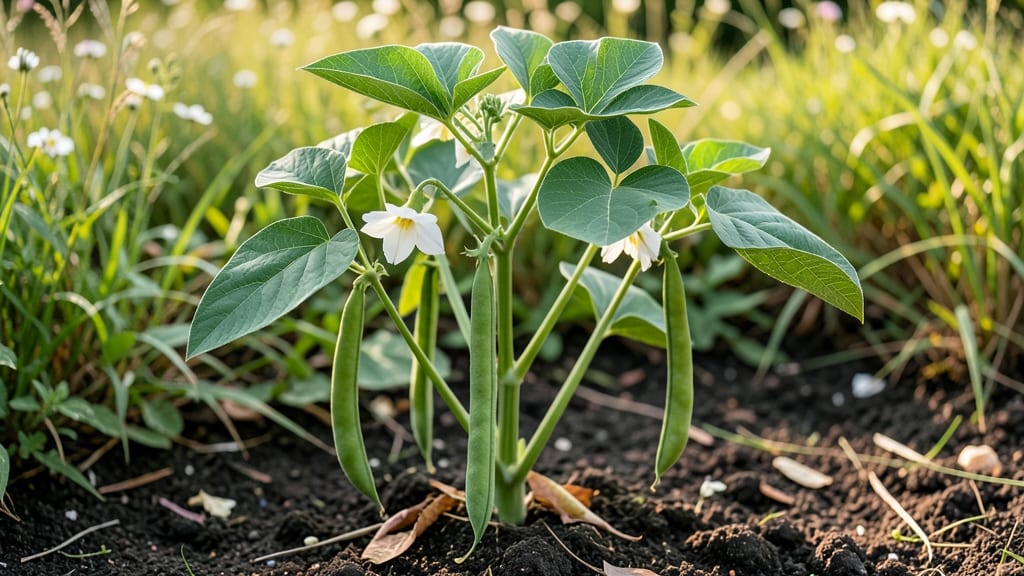
These legumes hold deep cultural roots in Mesoamerican civilizations, where they became dietary staples long before European contact. 🌱 Archaeological findings show black bean remnants in ancient Maya and Aztec sites, proving their importance in both sustenance and ceremonial practices.
The beans' resilience in high-altitude climates made them ideal for indigenous farming communities, while their nutritional profile—packed with protein and fiber—cemented their place in traditional diets.
Spanish explorers and colonizers played a key role in their global dispersion during the 16th century, transporting black beans to Africa, Europe, and beyond. Today, countries like Brazil and the U.S. maintain significant production, adapting cultivation methods to diverse climates while preserving their ancestral significance.
💡 In This Article
- Ancient Origins of Black Beans in Mesoamerica
- How Black Beans Spread Across Continents
Ancient origins of black beans in mesoamerica
Archaeologists have uncovered evidence that black beans were first domesticated in Mexico's highland regions around 7,000-8,000 years ago, with the earliest cultivated forms emerging near modern-day Oaxaca and Puebla.
These beans evolved from wild ancestors like Phaseolus vulgaris subsp. mexicanus, which thrived in the region's volcanic soil and cooler climates (5,000-7,000 feet elevation).
The Aztecs and Maya revered them as sacred crops, using them in religious ceremonies and daily meals—evidenced by bean remnants found in 3,000-year-old pottery from the Tehuacán Valley.
The beans' dark color comes from high levels of anthocyanins, antioxidants that also protected them during long storage in clay pots. Indigenous farmers selected seeds with thicker skins and larger sizes, creating the varieties we recognize today.
Genetic studies reveal these early beans spread northward into what's now the southwestern U.S., where they became staples for Pueblo peoples. 🌱 Their resilience in marginal soils made them ideal for sustainable agriculture, unlike European crops that required richer land.
Black beans played crucial roles beyond sustenance. The Aztecs incorporated them into offerings to gods like Tlaloc, the rain deity, while Maya codices depict bean-based rituals. Their high protein content (about 21-25 grams per cooked cup) made them vital for civilizations where meat was scarce.
Unlike modern commercial varieties, ancient beans often had speckled or mottled patterns, suggesting genetic diversity before selective breeding.
What's fascinating is how these beans adapted to specific microclimates. In Peru's Andes, related varieties developed resistance to higher altitudes (up to 10,000 feet), while Mexican strains thrived in warmer, drier regions.
This adaptation explains why black beans became the foundation of Latin America's cuisine—each region's climate shaped their cultivation techniques and culinary uses.
The beans' journey from wild plant to cultural cornerstone shows how indigenous knowledge shaped agriculture. Unlike European legumes introduced later, black beans were perfectly suited to the Americas' diverse ecosystems.
Their success lay in this deep connection between plant and people—a relationship that continues today in traditional farming practices across Latin America. 💫