
Propagation
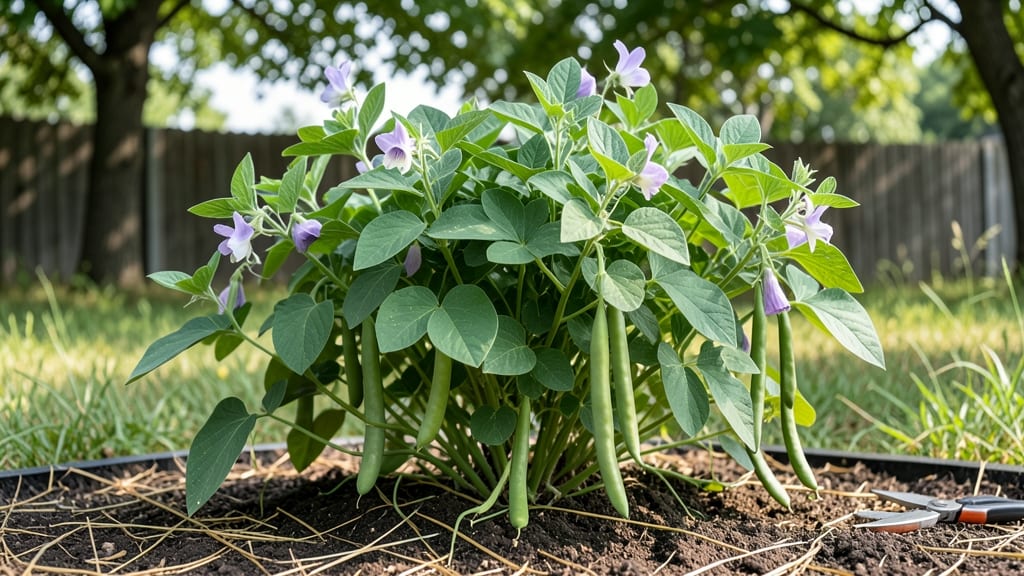
These beans weren't just a dietary staple—they were a survival tool for sailors due to their long shelf life and high nutritional value. 💫 The ancient Romans and Greeks incorporated them into their diets, often pairing them with grains for complete protein.
Today, while they're widely grown across the Americas, their genetic roots remain firmly tied to that ancient Mediterranean heartland where they first thrived.
Their journey from ancient fields to modern kitchens shows how a simple legume became a global culinary cornerstone. What's fascinating is how their cultivation spread through trade routes, adapting to different climates while maintaining their core characteristics.
Whether you're growing them in your garden or cooking with them today, you're connecting with a food tradition that's over 4,000 years old.
💡 In This Article
- Ancient Origins and Historical Cultivation of Navy Beans
- Growing Navy Beans Today: Climate and Soil Requirements
Ancient origins and historical cultivation of navy beans
Navy beans, scientifically known as Phaseolus vulgaris, trace their botanical lineage to the wild beans growing in the rugged terrains of the eastern Mediterranean and Middle East around 4000 BCE.
Archaeological evidence from sites like Çatalhöyük in modern-day Turkey shows these beans were among the earliest domesticated crops, cultivated alongside wheat and barley. The climate—warm days, cool nights, and well-drained soils—created ideal conditions for their development, with the beans evolving into the hardy, high-yield varieties we recognize today.
The transition from wild to cultivated beans involved selective breeding by ancient farmers, who favored plants with larger seeds, thicker pods, and shorter growing cycles.
By 2000 BCE, these beans had become dietary staples in Greek and Roman societies, where they were often paired with grains to create complete proteins.
The Romans, in particular, valued them for their versatility—cooked as soups, stews, or even fermented into early forms of bean pastes. 🌱 Their small, uniform size made them perfect for long-term storage, a trait that later caught the attention of the British Royal Navy.
Trade routes played a pivotal role in spreading navy beans across continents. The Silk Road connected Mediterranean growers with Asian markets, while Spanish explorers introduced them to the Americas in the 16th century.
In the New World, they thrived in the cooler climates of the northeastern United States, where they became a cornerstone of colonial diets.
The name "navy beans" emerged in the 18th century when the British Royal Navy adopted them as a standard ration—their high protein content (about 22% by dry weight) and ability to last for months without spoiling made them ideal for long sea voyages.
What makes navy beans unique is their genetic resilience. Unlike many legumes that require specific growing conditions, navy beans adapted to diverse climates while retaining their core traits: small, dark seeds with a firm texture and mild, earthy flavor.
This adaptability allowed them to become a global crop, yet their DNA still carries markers from their Mediterranean ancestors. For example, modern navy beans share 95% genetic similarity with ancient varieties found in Egyptian tombs, proving how little they’ve changed over millennia.
Today, while the majority of navy beans are grown in the United States and Canada, their cultivation techniques still reflect ancient wisdom. Farmers in the Pacific Northwest, for instance, mimic the Mediterranean’s cool, moist growing seasons by planting in early spring, ensuring optimal soil moisture without waterlogging.
The result? A crop that yields 1,500-2,000 pounds per acre—a testament to the enduring legacy of these beans that began in the sun-drenched fields of the ancient world.
Exploring their history reveals why navy beans remain a culinary and nutritional powerhouse. From ancient trade routes to modern kitchens, their journey is a story of adaptability, resilience, and the enduring human connection to the foods that sustain us. 💫