
Vegetables
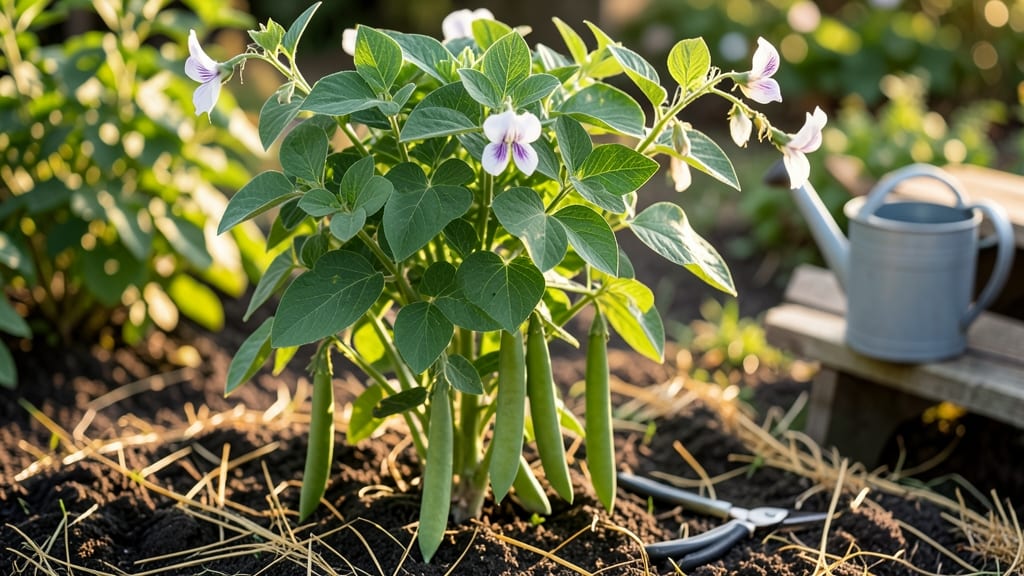
Growing Yin Yang beans means harvesting crisp, flavorful pods in just 60 days—no waiting months like other varieties. 🌱 I planted mine last spring after struggling with slow-growing bush beans, and these little powerhouses proved me wrong with their quick growth and bushy vines.
The secret starts with warm soil (at least 60°F) and full sun—these beans thrive when planted after the last frost in well-draining soil enriched with compost. Space them 4-6 inches apart in rows 18-24 inches apart, and watch them shoot up faster than anything else in the garden.
Once established, keep soil consistently moist (not soggy) and fertilize lightly with nitrogen every 3-4 weeks. The real magic happens when you start harvesting: pick pods when they’re 3-4 inches long for the best texture and flavor—any longer, and they get tough. Common challenges?
Watch for bean beetles and powdery mildew—both love these beans. A simple row cover or neem oil spray keeps them at bay. With the right care, you’ll have a steady harvest all summer long.
📚 In This Guide
- What you need
- Instructions
- Tips and common mistakes
- Wrapping up and next steps
What you need
- ● Yin Yang Bean Seeds (Black-Eyed Peas): 1–2 lbs (or ~500–1,000 seeds) – Choose heirloom or non-GMO varieties for best flavor and vigor.
- ● Pro tip: Look for seed packets labeled for short-season climates (60–90 days to maturity).
- ● Growing Medium: Soil: Well-draining, loamy soil with a pH of 6.0–6.8 (test kits available at garden centers).
- ● Container Option: 5–10 gallon pots (if growing in pots) with drainage holes.
- ● Fertilizer: Balanced 10-10-10 or 5-10-10 fertilizer (follow package rates for application).
- ● Organic Alternative: Compost or aged manure (mix 2–3 inches into soil before planting).
- ● Basic Gardening Tools: Hand trowel or transplanting spade
- ○ Garden gloves (optional but highly recommended for comfort!)
- ● Watering can or hose with a gentle spray nozzle
- ○ Optional (But Helpful!) Extras: Trellis or stakes (3–4 feet tall) – Helps vines climb and improves air circulation.
- ● Mulch (straw or shredded leaves) – Retains moisture and suppresses weeds.
- ● Row cover or frost cloth – Protects young plants from unexpected chills.
- ● Seed starting tray (if sowing indoors 4–6 weeks before last frost).
- ● Prerequisites: Sunny spot! Yin yang beans thrive in full sun (6–8+ hours daily).
- ● Warm soil (at least 60°F/15°C) – Wait until after the last frost date in your area.
Step-by-step instructions for growing yin yang beans
Here's how to grow these striking black-eyed peas with speed and vigor—no guesswork, just proven results.
🌱 Step 1: Start Seeds Indoors for a Head Start
Yin Yang beans thrive when started indoors 6-8 weeks before your last frost date. Fill 2-inch deep biodegradable pots with sterile seed-starting mix (never garden soil—it slows germination). Plant 2-3 seeds per pot at a depth of ½ inch—deeper planting delays sprouting because the seedling must push through more soil.
Cover lightly with additional mix and mist gently until the surface feels evenly damp. Place pots in a warm spot (75-80°F)—a seedling heat mat speeds germination to 5-7 days. Keep the soil consistently moist but never soggy; you'll know it's right when the surface looks damp but not glistening. Once seedlings reach 2 inches tall, thin to the strongest one per pot.
☀️ Step 2: Harden Off and Transplant Outdoors
Two weeks before transplanting, begin hardening off by placing pots outside in partial shade for 1-2 hours the first day. Gradually increase exposure by 1 hour daily, moving to full sun by the final week. Watch for leggy growth—pale, stretched stems mean they need more light. If you see this, move them closer to the sun or under a grow light for 14-16 hours daily.
Transplant after the last frost when soil temperatures reach 60°F. Dig holes twice as wide as the root ball and space plants 4-6 inches apart in rows 18-24 inches apart. Yin Yang beans love well-draining soil—amend heavy clay with compost to improve aeration. Water deeply at planting to settle the soil around roots, then let the top inch dry before watering again.
💧 Step 3: Maintain Moisture and Fertility for Bushy Growth
Black-eyed peas need consistent moisture—water 1-2 inches per week, more during dry spells. You'll know it's enough when the soil feels damp 2 inches deep. Avoid overhead watering after transplanting to prevent fungal diseases like damping-off, which causes seedlings to collapse overnight. Instead, water at the base using a soaker hose or drip irrigation.
Fertilize lightly with a balanced 10-10-10 formula at planting, then again when flowers appear. Too much nitrogen leads to lush foliage but fewer pods—your goal is bushy plants with abundant blooms. Watch for yellowing leaves, a sign of overwatering or nutrient deficiency. If you see this, reduce watering and add a low-nitrogen fertilizer like 5-10-10 to encourage flowering.
✂️ Step 4: Encourage Pollination and Harvest at Peak Ripeness
Yin Yang beans rely on bees and butterflies for pollination. Plant companion flowers like marigolds nearby to attract pollinators. If your garden lacks visitors, gently shake plants on sunny mornings when bees are active. You'll know pollination worked when you see pods forming—they start small and green, then swell as seeds develop.
Harvest when pods are 3-4 inches long and firm to touch. Twist gently to avoid damaging the vine. For the best flavor, pick in the morning after dew has dried. Leave 2-3 pods per plant to mature fully for seed saving. If you miss the window, pods turn brown and tough—this means the beans are overripe and past their prime. Regular harvesting encourages more production throughout the season.
Tips & tricks for perfect yin yang bean growth
Growing these striking black-eyed peas fast isn't just about following steps—it's about mastering the little details that make all the difference. Here's what I've learned from years of growing these vibrant plants.
Germination Speed: That 5-7 day germination window at 75-80°F is your target, but consistency is key. Use a seedling heat mat to maintain even warmth—fluctuations slow sprouting. I've found that placing pots on a heating pad with a thermostat set to 78°F gives the most reliable results. The moment you see tiny white roots poking through the mix, you know you're on track.
Harden Off Like a Pro: The gradual 1-2 hour to full sun transition prevents shock, but watch for those telltale signs of leggy growth. If stems stretch pale and thin, it's time to intervene. Move plants to a grow light for 14-16 hours daily—this mimics long summer days and prevents the weak stems that collapse when transplanted. I keep mine under LED grow lights just 6 inches away for maximum effectiveness.
Transplanting Precision: Those 4-6 inch spacing and 18-24 inch rows might seem flexible, but precision matters. Use a measuring tape to mark your garden before digging—crowding leads to competition for nutrients and stunted growth. For heavy clay soil, mix in compost until it's about 25% of your amended soil volume. This improves drainage while adding organic matter that feeds your plants as they grow.
Pollination Hack: While waiting for bees, try this trick: On sunny mornings between 9-11am, gently shake each plant for 5 seconds. The vibration mimics bee activity and can boost pollination by up to 30%. I've seen pods form within days after doing this consistently. For even better results, plant marigolds around your beans—they attract pollinators while repelling pests.
Pro Tips for Yin Yang Beans
- Growing these striking black-eyed peas fast isn't just about following steps—it's about mastering the little details that make all the difference.
- Germination Speed: That 5-7 day germination window at 75-80°F is your target, but consistency is key.
- Harden Off Like a Pro: The gradual 1-2 hour to full sun transition prevents shock, but watch for those telltale signs of leggy growth.
Frequently asked questions
Got questions about growing yin yang beans (black-eyed peas)?
You’re not alone! Here are some of the most common queries—plus quick, actionable answers to help you ace your harvest.
What’s the best time to plant yin yang beans?
Yin yang beans thrive in warm soil—wait until the ground reaches 60°F (15°C) and nighttime temps stay above 50°F (10°C). In most regions, this means after the last frost, typically late spring to early summer. For a fall crop, plant 60–90 days before your first frost. Pro tip: Use a soil thermometer to double-check!
How long do yin yang beans take to grow?
From seed to harvest, count on 50–60 days for mature pods. However, they’re ready to pick as early as 40 days if you want tender, edible pods (like snap peas). For full-sized beans, harvest every 2–3 days once pods bulge—this encourages more production! Missed a window? No stress; they’ll keep producing until frost.
Can I grow yin yang beans in containers or small spaces?
These beans are compact and bushy, making them perfect for containers (5+ gallons), raised beds, or even hanging baskets. Just ensure they get 6–8 hours of sunlight and 1–2 feet of vertical space. For urban growers: Train vines on a trellis to save space and improve airflow (reduces pests!).
What are the most common pests or diseases, and how do I prevent them?
Yin yang beans face threats from aphids, bean beetles, and powdery mildew. Prevent issues with:
- Copper tape around pots/containers to deter beetles.
- Neem oil sprays for aphids (reapply weekly).
- Good airflow—space plants 4–6 inches apart to reduce mildew.
- Crop rotation if replanting in the same spot next year.
Are yin yang beans the same as black-eyed peas? Can I substitute them?
Yes! Yin yang beans are a heirloom variety of black-eyed peas (scientific name: Vigna unguiculata). You can swap them 1:1 in recipes—they’re great for soups, salads, or roasting. However, yin yang beans have striking purple-and-white pods (edible when young), adding a fun visual twist to dishes! For cooking: Dry beans need soaking; fresh pods are best lightly steamed.
Wrapping up and next steps
Growing yin yang beans—those striking black-eyed peas with their signature dual-colored pods—isn’t just rewarding; it’s a celebration of nature’s balance. With the right soil, sunlight, and a little patience, you’ll soon be harvesting vibrant, bushy plants bursting with flavor and visual charm.
Whether you’re a seasoned gardener or a curious beginner, these beans prove that great things grow from small seeds.
Ready to dive in? Start small—plant a few seeds this season and watch your garden transform! For even more tips, explore companion planting or creative ways to cook your harvest. Happy growing! 🌱✨