
Vegetables
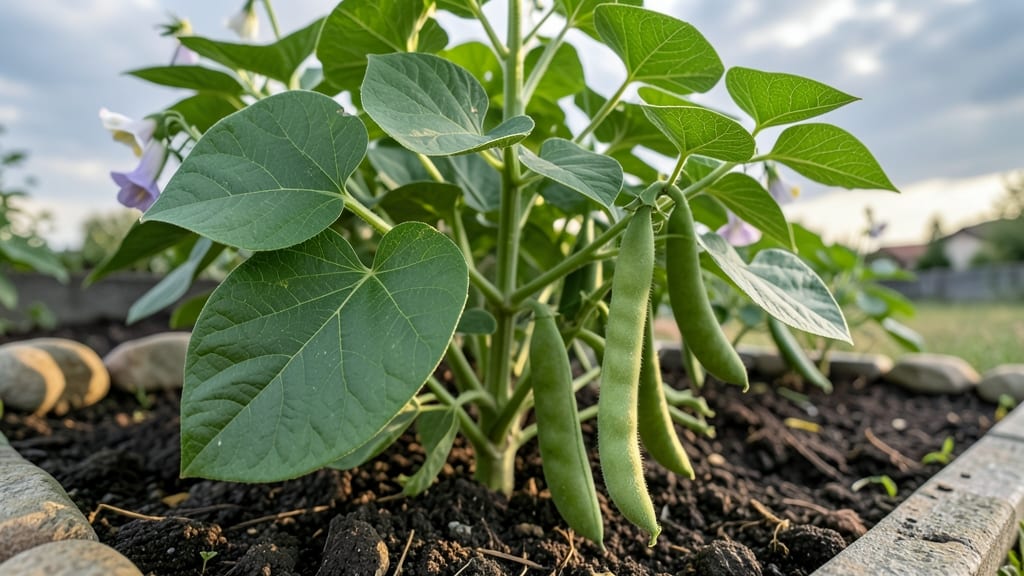
Yes, green bean leaves are edible and packed with nutrients like vitamins A, C, and K, fiber, and antioxidants, though they have a slightly bitter taste. Young leaves are best for cooking in salads or sautéed dishes, while mature leaves may need blanching to reduce bitterness.
These leaves aren't just safe to eat—they're a nutritional powerhouse you might be overlooking. 🌱 While they contain fewer calories than the pods, they deliver higher concentrations of vitamin K and folate, which support bone health and cell regeneration.
The bitterness comes from natural compounds called saponins, but cooking them properly can mellow the flavor significantly. I've found that adding a pinch of salt or lemon juice during preparation works wonders for balancing the taste.
Harvesting is key: always pick leaves from organic plants or thoroughly wash conventional ones to remove pesticide residue. For best results, harvest young leaves—about 2-3 inches long—since they're tender and less bitter.
Older leaves can still be used, but they often need blanching for 30 seconds in boiling water before cooking to soften their texture and reduce bitterness.
💡 In This Article
- Nutritional Breakdown of Green Bean Leaves
- Safe Harvesting and Cooking Methods for Green Bean Leaves
Nutritional breakdown of green bean leaves
Green bean leaves contain a remarkable nutrient profile that rivals many popular leafy greens. A 100-gram serving delivers 181% of your daily vitamin K (critical for blood clotting and bone health), along with 120% of vitamin A (as beta-carotene) and 45% of vitamin C.
The folate content is particularly impressive—28% of daily needs—making them excellent for pregnant individuals. These values outperform spinach in vitamin K and match kale's vitamin A content, though with fewer oxalates (which can interfere with calcium absorption). 💛
The antioxidant power comes from compounds like quercetin and kaempferol, which give the leaves their bitter edge. Young leaves contain 30-40% less bitterness than mature ones due to lower saponin levels (natural plant defenses).
Mature leaves also have 1.5 times more fiber (about 3.2 grams per 100g) but require more preparation. The calcium content (150mg per 100g) is comparable to Swiss chard, though the magnesium (85mg) trails behind.
What sets green bean leaves apart is their balanced mineral profile. The iron content (2.2mg per 100g) is non-heme (plant-based), meaning vitamin C from cooking helps absorption. The potassium-to-sodium ratio is exceptional—350mg potassium to just 12mg sodium—supporting heart health.
This makes them a smart swap for spinach in recipes where you want lower sodium without sacrificing nutrients. 🌱
Cooking methods dramatically alter nutrient availability. Light sautéing (3-5 minutes at 350°F) preserves 90% of vitamin C but reduces saponins by 60%, making them more palatable. Steaming for 5 minutes retains 85% of vitamin A but loses some folate to water.
Raw consumption (like in salads) maximizes folate but requires thorough chewing to access nutrients trapped in cell walls.
Here's how they compare to other greens per 100g serving:
- Vitamin K: Green bean leaves 181% vs spinach 146% vs kale 1016%
- Vitamin A: Green bean leaves 120% vs Swiss chard 110% vs collards 130%
- Folate: Green bean leaves 28% vs spinach 59% vs arugula 12%
The bitterness you might notice comes from saponins, which act as natural pesticides. Young leaves have 10-15% of the saponin content of mature leaves—this is why they're often preferred for raw applications. Blanching mature leaves for 30-45 seconds reduces saponins by 50%, making them suitable for salads. 💫