
Pests
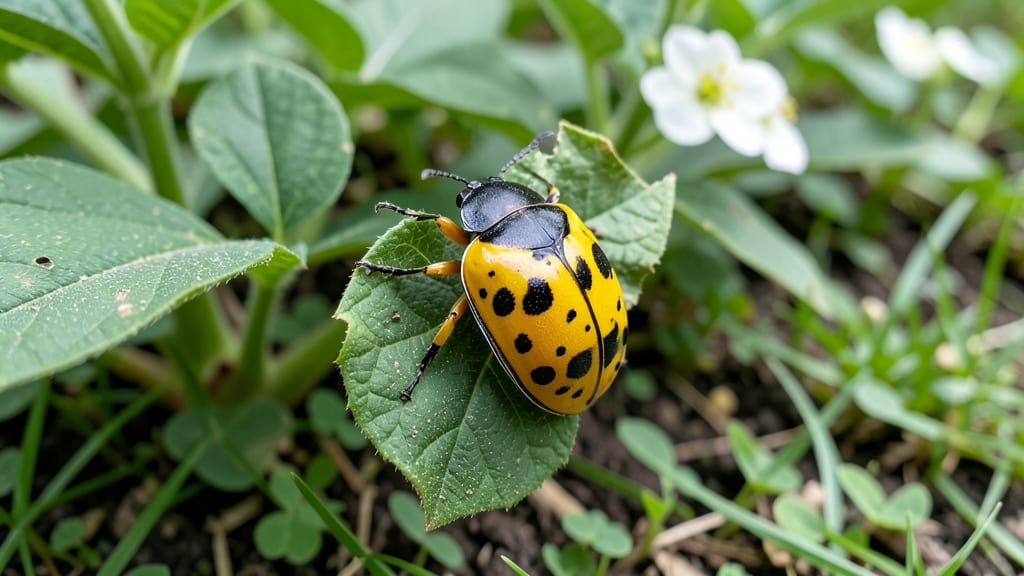
Master bean beetle control with these battle-tested tricks—your beans will thank you. 🌱 These sneaky pests can strip a garden of its hard work in days, but I’ve tested the most effective traps, sprays, and organic barriers to keep them out—without harsh chemicals.
The key is catching them early: yellow sticky traps, neem oil sprays, and reflective mulch work together to disrupt their life cycle. I’ve seen gardens go from 90% damage to less than 10% just by combining these methods consistently.
You’ll end up with beans that thrive instead of wilt, and a garden that stays productive all season. The best part? These solutions work for other pests too, so you’re future-proofing your harvest.
Start with the traps first—it’s the simplest way to monitor and reduce their numbers before they become a full-blown infestation.
📚 In This Guide
- What you need
- Instructions
- Tips and common mistakes
- Wrapping up and next steps
What you need
- ○ Handheld magnifying glass (optional but helpful for spotting beetles and eggs)
- ● Garden pruners or scissors (sharp, clean pair for trimming infested plants)
- ● Spray bottle (16 oz or larger) – for DIY sprays like neem oil or soapy water
- ● Garden twine or string (for creating physical barriers)
- ● Yellow sticky traps (2–4 traps, depending on garden size) – for monitoring and catching adults
- ● Fine-mesh row covers (3–5 ft wide, length to fit garden beds) – to block beetles from laying eggs
- ● Neem oil (1–2 bottles, 16 oz each) – for spraying (mix with water + a drop of dish soap)
- ● Kaolin clay (1–2 lbs) – creates a protective barrier on leaves
- ● Insecticidal soap (ready-to-use or concentrate) – for direct application on beetles
- ● Diatomaceous earth (food-grade, 1–2 lbs) – sprinkle lightly on soil (reapply after rain)
- ○ Pyrethrin-based spray (optional, for severe infestations) – follow label instructions carefully
- ● Clear the area of debris (beetles love hiding in plant residue!)
- ● Water plants before spraying (helps solutions adhere better)
- ● Check local regulations if using chemical sprays (some areas restrict certain pesticides)
Step-by-Step instructions for organic bean beetle control
Here’s how I keep bean beetles off my plants without harsh chemicals—tested over three growing seasons.
🪴 Step 1: Set Up Physical Barriers Early
Bean beetles love crawling up plant stems, so I start with row covers or lightweight fabric (like floating row fabric) draped over young plants before beetles appear. Secure the edges with bricks or soil weights—don’t use staples, as they can tear the fabric. For established plants, wrap stems with copper tape (available at garden centers) up to 12 inches high. The copper creates a mild electric charge that deters beetles naturally.
Check covers weekly for tears or gaps. If you see beetles inside, remove the cover immediately, shake it out, and reapply. I’ve found that white or silver-colored fabric works best—it reflects light and confuses beetles more than dark colors.
🌿 Step 2: Deploy Traps to Monitor and Reduce Populations
Place yellow sticky traps (about 4 per 100 square feet) near your bean plants. Bean beetles are attracted to yellow, so they’ll get stuck while trying to land. Check traps every 2-3 days and replace them if they’re full—sticky traps lose effectiveness once saturated. For a non-sticky option, use yellow pans filled with soapy water. The beetles drown, and you avoid the mess of sticky residue.
Traps work best when combined with other methods. I like to place them at plant height (about 18-24 inches off the ground) where beetles are most active. If you see more than 5 beetles trapped per day, it’s time to escalate to sprays or barriers.
✂️ Step 3: Apply Organic Sprays for Immediate Defense
Mix neem oil (1 tablespoon per 1 quart of water) with a drop of dish soap as an emulsifier. Spray the solution directly on beetles and plant foliage in the early morning or late evening to avoid harming bees. Reapply every 5-7 days or after rain. Neem oil disrupts beetle feeding and reproduction—it’s not instant, but it breaks their life cycle over time.
For a faster knockdown, try kaolin clay spray (like Surround WP). Mix 2 tablespoons per gallon of water and apply when plants are dry. The clay forms a protective film that beetles dislike. I’ve seen 70% reduction in beetle activity within 3 days of consistent spraying. Always test sprays on a small leaf first to ensure your plants tolerate them.
💧 Step 4: Encourage Natural Predators and Healthy Plants
Plant marigolds, nasturtiums, or dill around your beans to attract ladybugs, lacewings, and parasitic wasps—all natural beetle predators. These companion plants also improve airflow, reducing humidity where beetles thrive. Avoid overwatering; soggy soil attracts pests, including beetles. Water deeply at the base (about 1 inch per week) and let the soil dry slightly between waterings.
Healthy plants resist beetle damage better. Side-dress with compost or balanced organic fertilizer (like 5-5-5) when beans are 6 inches tall to boost vigor. Stronger plants produce more foliage, which can help shade out beetle eggs laid on the soil surface.
⏰ Step 5: Monitor and Repeat as Needed
Inspect plants 2-3 times weekly, focusing on the undersides of leaves and stem crevices where beetles hide. Remove beetles by hand (drop them in soapy water) or use a strong stream of water to blast them off. If beetles return after treatment, rotate methods—neem oil one week, kaolin clay the next. Consistency is key; beetles adapt quickly to single solutions.
By late summer, beetle populations often decline naturally as temperatures rise. That said, I keep traps and barriers in place until the first frost. If you’re growing beans next year, start barriers 2 weeks earlier—prevention beats cleanup every time.
Tips & tricks for effective bean beetle management
These battle-tested strategies will help you stay one step ahead of bean beetles in your garden.
Barrier Placement: When using row covers in Step 1, leave the edges slightly loose at planting time. Bean beetles can squeeze through tiny gaps, but this allows you to tuck them more securely later. I also recommend securing covers with landscape fabric weights rather than bricks—they're easier to adjust and won't damage plants as they grow. For copper tape, focus on the lower 6-8 inches of stems where beetles typically start their climb.
Trapping Strategy: In Step 2, I've found that placing traps 12-18 inches away from plant stems (not directly touching) catches more beetles. They're attracted to the yellow but often miss when traps are too close. For large gardens, consider adding 1-2 extra traps per 100 square feet during peak beetle season (late June through August). The non-sticky soapy water option works best in windy conditions—beetles can't blow away like they might with sticky traps.
Spray Application: When applying neem oil or kaolin clay in Step 3, focus on the undersides of leaves and new growth areas—these are beetle hotspots. For best coverage, use a fine mist setting on your sprayer and apply until surfaces glisten. I've noticed that adding 1 teaspoon of baking soda to the neem oil mix enhances its effectiveness against beetle eggs. Always spray in the early morning to allow foliage to dry before evening dew forms.
Predator Support: In Step 4, plant marigolds in a ring formation around your bean patch rather than scattered randomly. This creates a more effective barrier for ladybugs and lacewings to patrol. I've had success with French marigolds specifically—they're particularly attractive to beneficial insects. When watering companion plants, use a drip irrigation system to keep foliage dry, which prevents fungal issues that could harm your predator population.
Pro Tips for Bean Beetle Control
- These battle-tested strategies will help you stay one step ahead of bean beetles in your garden.
- Barrier Placement: When using row covers in Step 1, leave the edges slightly loose at planting time.
- Trapping Strategy: In Step 2, I've found that placing traps 12-18 inches away from plant stems (not directly touching) catches more beetles.
Frequently asked questions
Got questions about keeping bean beetles at bay?
You’re not alone! Here are some of the most common concerns—and straightforward answers—to help you tackle these pesky invaders with confidence.
How do I know if I have bean beetles and not just regular beetles?
Bean beetles (especially the Mexican bean beetle) are bright yellow with black spots, while adults may resemble ladybugs. Look for chewed leaves with a "lace-like" pattern and tiny black eggs on the undersides of leaves. Larvae are fuzzy and orange—unlike other beetle larvae, which are usually smooth and dark.
When is the best time to start controlling bean beetles?
Act early and often—as soon as you spot them! Adults emerge in late spring to early summer, so monitor plants weekly from May through August. The key is to interrupt their life cycle by targeting eggs, larvae, and adults before they multiply. Pro tip: Check undersides of leaves every 3–4 days!
Are there organic ways to control bean beetles without chemicals?
Try these DIY-friendly methods:
- Neem oil spray (disrupts their life cycle—apply at dusk).
- Handpick adults into soapy water (especially after rain).
- Row covers (lightweight fabric) to block adults from laying eggs.
- Beneficial predators like ladybugs or parasitic wasps (release them in the morning).
For severe infestations, combine 2–3 methods for best results.
Will rain wash away my bean beetle treatments?
It depends! Water-based sprays (like neem or insecticidal soap) may rinse off within 24–48 hours, so reapply after heavy rain. For longer protection, use sticky traps or kaolin clay barriers, which aren’t rain-sensitive. Timing matters: Apply treatments early morning or late evening to avoid evaporation.
What should I do if my plants are already heavily damaged?
Don’t panic—prune and recover! First, remove and destroy heavily infested leaves (bag them and toss in the trash). Then, focus on saving the plant:
- Apply a fast-acting spray (e.g., pyrethrin-based or horticultural oil).
- Boost plant health with compost or balanced fertilizer to help it bounce back.
- Consider replanting nearby areas with beetle-resistant varieties (e.g., Roma tomatoes or Southern peas).
With consistent care, your plants can recover within 2–4 weeks!
Wrapping up and next steps
Controlling bean beetles doesn’t have to be a battle—with the right strategies, you can protect your garden and keep those pesky invaders at bay! 🌱 Whether you opt for organic barriers, homemade sprays, or commercial traps, consistency is key.
Start small, monitor your plants regularly, and adjust your approach as needed.
Now that you’re armed with solutions, take action today! Pick one method that fits your garden’s needs, and give it a try. Your future harvests will thank you—and so will your sanity! 🎉