
Planting
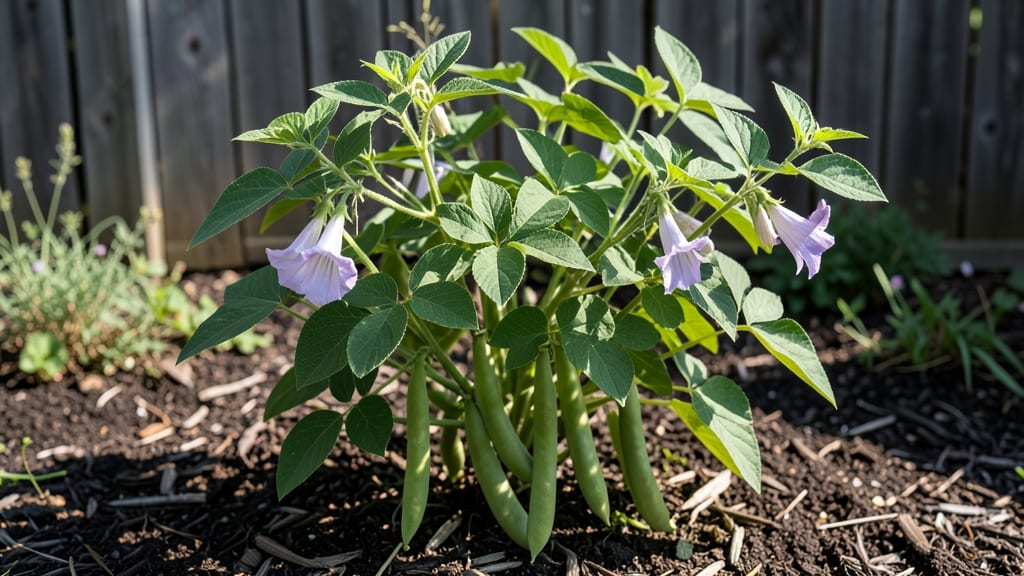
This cheerful bean flower plant bursts into bloom in just 10-14 days, transforming any garden with its vivid hues—I’ve grown scarlet runners and runner beans for years, and their vibrant blooms never fail to lift my spirits, especially when they climb trellises. 🌱 or drape over fences with shocking speed.
These plants thrive in well-draining soil with 6-8 hours of sunlight daily, though they tolerate partial shade. Most varieties are edible (think crisp pods and tender beans), but even the ornamental types attract bees and butterflies like magnets. The key to abundant blooms?
Consistent watering and a sturdy support structure—no floppy vines here. By mid-summer, you’ll have a lush canopy of flowers in shades of red, pink, or white, followed by pods that keep producing until frost. The fragrance alone makes it worth growing.
Plus, they’re disease-resistant and rarely need pesticides, making them perfect for beginners. Whether you’re growing for food, beauty, or both, these vines deliver fast results with minimal fuss. Here’s how to get started without common pitfalls—like overwatering or weak supports—that trip up new growers.
📚 In This Guide
- What you need
- Instructions
- Tips and common mistakes
- Wrapping up and next steps
What you need
- ● Bean flower seeds – 10–20 seeds (organic, non-GMO preferred for best germination).
- ● Well-draining potting mix – 2–3 gallons (look for a blend with perlite or coconut coir for aeration).
- ● Containers or garden bed – 6–12-inch pots (for indoor/container growing) or a sunny garden spot with loose, fertile soil.
- ● Seed-starting trays or small pots – 2–4 (if pre-sprouting indoors).
- ○ Bio-degradable seed starter pellets – Optional but helpful for easy transplantation.
- ● Garden trowel or small hand shovel – For planting seeds or transplanting seedlings.
- ● Spray bottle – For gentle watering (especially during germination).
- ● Grow lights or sunny windowsill – If starting indoors (12–14 hours of light daily).
- ○ Mulch or straw – To retain moisture and suppress weeds (optional but recommended).
- ● Support structure – Trellis, stakes, or a small fence (bean flowers are vining!).
- ● Warmth – Bean flowers thrive in temperatures between 70–85°F (21–29°C). Avoid frost!
- ● Sunlight – Full sun (6+ hours daily) or partial shade (for hotter climates).
- ● Watering routine – Keep soil consistently moist but not soggy (especially during germination).
- ● Patience – Germination takes 7–14 days—stay consistent!
Step-by-step instructions for growing bean flower vines
Here's how to get those vibrant, fast-growing vines thriving in just a few weeks.
🌱 Step 1: Choose Your Variety and Planting Location
Bean flower plants (like sweet peas or morning glories) come in annual and perennial varieties. For fastest results, I recommend annuals like morning glories or sweet peas—they sprout in 5-10 days and bloom within 6-8 weeks. Pick a spot with 6+ hours of sunlight daily, though some shade-tolerant varieties handle 4 hours if afternoon sun is avoided.
If growing in containers, ensure they’re at least 12 inches deep—bean flower vines need room to climb or sprawl. I like to place them near trellises or fences for vertical growth, which saves space and keeps flowers off the ground where slugs can’t reach.
💧 Step 2: Prepare Soil and Plant Seeds
Loosen the soil to a depth of 6 inches and mix in 2-3 inches of compost for nutrients. Bean flower seeds germinate best in warm soil (65-75°F)—so wait until after the last frost or start indoors 8-10 weeks before planting outside. Plant seeds ½ inch deep, spacing them 6-12 inches apart depending on the variety.
Water gently after planting to settle the soil, but avoid soaking—you’ll see first sprouts in 5-10 days if moisture is consistent. If planting in containers, use well-draining potting mix and water when the top inch feels dry. Overwatering now can cause seeds to rot before they sprout.
☀️ Step 3: Provide Support and Encourage Growth
Once seedlings reach 3-4 inches tall, install a trellis, cage, or stakes to support climbing varieties. Morning glories, for example, twist clockwise around supports—give them something sturdy like bamboo stakes or a wire trellis. For sprawling types, let them vine along the ground or use a low fence.
Pinch back the top set of leaves when plants are 6 inches tall to encourage bushier growth. This might seem counterintuitive, but it forces energy into side shoots instead of one long stem. You’ll notice more flowers and branches within 2-3 weeks of pinching.
✂️ Step 4: Maintain and Deadhead for Longer Blooms
Water at the base of the plant in the morning to prevent fungal diseases. Bean flower vines are drought-tolerant once established, but wilting leaves mean it’s time to water—wait until the top inch of soil feels dry before adding more. Fertilize lightly with a balanced 10-10-10 formula every 4-6 weeks to keep blooms vibrant.
Deadhead spent flowers by snipping them off just above a set of leaves. This might seem tedious, but it extends the blooming season by 3-4 weeks. I like to do this on a weekly basis—just grab a pair of clean scissors and trim back any faded blooms. You’ll see new flowers within 7-10 days of deadheading.
⏰ Step 5: Extend the Season with Simple Care
To keep bean flower vines blooming year-round in mild climates, cut back wilted or damaged vines in early fall and mulch with 2-3 inches of straw. In colder regions, dig up tender perennials like sweet peas, trim them back, and store them in a cool, dry place until spring. Annuals will self-seed, so you might find volunteer plants popping up next season.
If growing in containers, bring them indoors before the first frost or move them to a sunny windowsill. Reduce watering slightly in winter, but keep the soil slightly moist. With this care, you’ll enjoy continuous blooms from spring through fall—and sometimes even into winter!
Tips & tricks for fast-germinating bean flower vines
Here's what nobody tells you about getting those vibrant vines off to the fastest possible start.
Soil Temperature Secret: The 65-75°F soil temperature range is critical for germination—any cooler and seeds may take weeks to sprout. I've found that placing a seedling heat mat under containers (or covering outdoor beds with black plastic for a week before planting) can jumpstart germination by 3-5 days. Just remember to remove the plastic once seeds sprout to prevent overheating.
Lighting Hack for Indoor Starters: If you're starting seeds indoors 8-10 weeks before your last frost, give them 12-14 hours of light daily using a simple LED grow light. I use a basic $20 clip-on bulb positioned just above the seedlings—no fancy equipment needed. This prevents those leggy, weak seedlings that struggle when transplanted.
Container Depth Matters: That 12-inch minimum depth isn't just about roots—it's about stability. Shallow containers can tip over when vines get heavy with blooms. I always use 5-gallon buckets with drainage holes for container growing. For extra security, place them against a wall or secure with landscape stakes once vines reach 3-4 inches.
Pinching Strategy: When you pinch back those top set of leaves at 6 inches, you're not just encouraging bushiness—you're also creating stronger stems that can support more flowers. I like to do this on a weekly basis until the plant reaches my desired height, which typically takes about 4-6 weeks of maintenance. The key is to always pinch just above a leaf node where new growth will emerge.
Pro Tips for Bean Flower Plant
- Here's what nobody tells you about getting those vibrant vines off to the fastest possible start.
- Soil Temperature Secret: The 65-75°F soil temperature range is critical for germination—any cooler and seeds may take weeks to sprout.
- Lighting Hack for Indoor Starters: If you're starting seeds indoors 8-10 weeks before your last frost, give them 12-14 hours of light daily using a simple LED grow light.
Frequently asked questions
Got questions about growing bean flower plants? You’re not alone! Here are some of the most common concerns—plus quick, practical answers to keep your vines thriving.
How long does it take for bean flower seeds to germinate?
Bean flower seeds (like Clitoria ternatea) typically sprout within 7–14 days in warm, moist soil (70–85°F). For faster results, soak seeds overnight before planting and keep the soil consistently damp. Patience pays off—just avoid overwatering, which can cause rot!
Can I grow bean flowers indoors?
Bean flowers thrive indoors with bright, indirect light (east or south-facing windows work best). Use a trellis or stakes for climbing support, and rotate the pot occasionally for even growth. A humidity tray or misting can help mimic their tropical habitat. Just watch for pests like spider mites in dry air.
Are bean flowers frost-tolerant?
Nope! Bean flowers are tender perennials and die back in frost (below 32°F). In cold climates, grow them as annuals or overwinter potted plants indoors. For outdoor gardens, plant after the last frost and bring containers inside before temperatures drop. Mulch helps insulate roots slightly.
What’s the best alternative if my bean flowers aren’t blooming?
If your plant is leafy but flower-less, try these fixes:
- More sunlight: Move to a sunnier spot (6+ hours of light daily).
- Balanced fertilizer: Use a low-nitrogen feed (like 10-10-10) every 4–6 weeks.
- Prune aggressively: Trim back overgrowth to redirect energy to blooms.
- Check humidity: Dry air can stunt flowering—mist leaves or use a pebble tray.
Why are my bean flower leaves turning yellow?
Yellowing leaves usually signal overwatering or nutrient deficiency. First, check the soil—it should be damp but not soggy. If roots smell rotten, repot in fresh, well-draining mix. For yellowing between veins, lack of magnesium (Epsom salt spray helps) or iron (use a chelated iron supplement) may be the culprit.
Pro Tip:
Harvest spent blooms regularly to encourage continuous flowering. Deadheading also prevents seed pods from draining the plant’s energy. Plus, dried bean flowers make gorgeous potpourri—just hang them in small bundles!
Wrapping up and next steps
Growing a bean flower plant is a rewarding journey that brings vibrant blooms and lush greenery to your space—whether indoors or out! 🌿 With its fast germination and easy-care nature, this versatile vine is perfect for beginners and seasoned gardeners alike.
Whether you’re aiming for a stunning trellis display or a fragrant indoor oasis, the key is patience, proper sunlight, and a little love.
Now that you’re armed with the know-how, why not take the next step? Start with a single pot or a small patch in your garden, and watch your bean flower plant thrive.
Share your progress with fellow plant enthusiasts or experiment with different varieties—your green thumb is about to shine brighter than ever! 🌸