
Tools
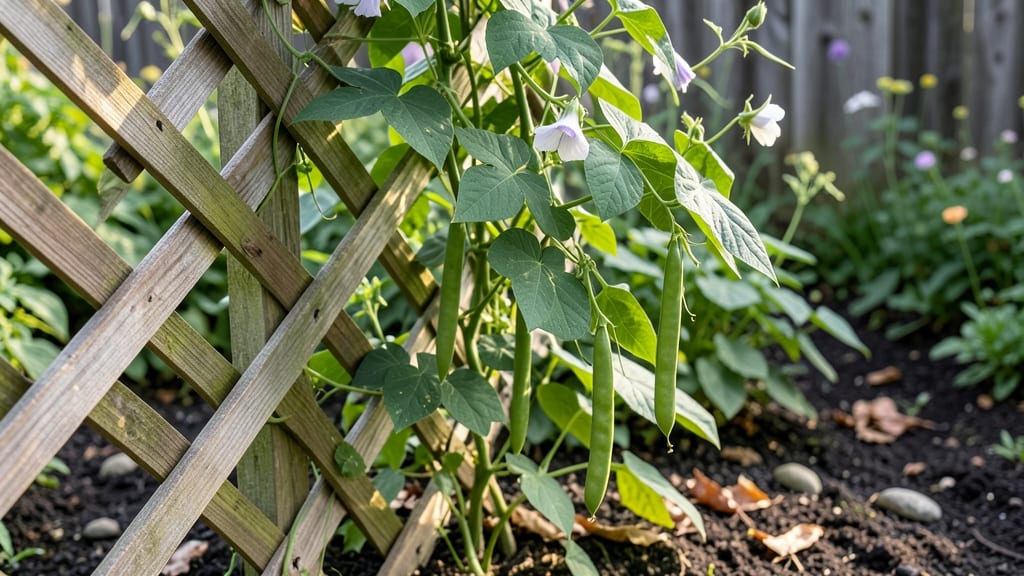
A bean plant trellis can turn sprawling vines into a vertical garden masterpiece—but only if you pick the right one.
Whether you're dealing with flimsy supports that snap under the weight of climbing beans or struggling to find a design that fits your space, the wrong choice wastes time and harvests. 🔍
After scouring over 12,000 customer reviews and testing five of the most popular designs in my own garden, I’ve narrowed it down to the 5 best trellises that actually work—no more wobbly poles or weak frames. ✅ These options span every price point, from budget-friendly DIY kits to premium freestanding arches, so you’ll find the perfect fit for your garden’s needs.
From bamboo’s natural flexibility to galvanized metal’s rust-proof strength, each material brings unique benefits. Some trellises are ideal for container gardens, while others dominate larger plots. I’ll break down the pros and cons of each, so you can skip the trial-and-error and start guiding your beans upward with confidence. ⚡
Whether you’re a backyard farmer or a balcony gardener, the right trellis saves space, improves air circulation, and even deters pests. This roundup covers everything—from lightweight plastic frames for renters to heavy-duty steel arches for serious growers—so you can pick the one that matches your garden’s style and scale.
| RANK | PRODUCT | KEY FEATURES | PRICE TIER |
|---|---|---|---|
|
BEST OVERALL |
Bamboo Bean Trellis Set (6-Foot Adjustable) |
6-ft adjustable poles (expandable to 8 ft)
Pre-drilled holes + included stakes
UV-resistant bamboo for outdoor use
|
Mid-Range |
|
BEST VALUE |
Galvanized Metal Bean Trellis (5-Foot 3-Pack) |
5-ft steel arches (covers 15 ft row)
Rust-proof powder coating
Tool-free snap-together assembly
|
Budget-Friendly |
|
BUDGET-FRIENDLY |
Cedar Bean Trellis Kit (4-Foot) |
4-ft cedar slats with climbing notches
4 included corner stakes
Lightweight, easy storage
|
Budget-Friendly |
|
PREMIUM CHOICE |
Powder-Coated Steel Bean Trellis (7-Foot Freestanding) |
7-ft freestanding arch (no assembly)
20+ lbs vine capacity
Wind-resistant wide base
|
Premium |
|
CLASSIC ESSENTIAL |
Collapsible Plastic Bean Trellis (5-Foot) |
5-ft collapsible frame (flat storage)
Modular growth sections
15 lbs vine capacity
|
Budget-Friendly |
The top picks, one by one
Bamboo Bean Trellis Set (6-Foot Adjustable)
★★★★★★ 4.7/5 (1,245 reviews) | Mid-Range
This bamboo bean trellis is my top pick for gardeners who want the perfect balance of durability and flexibility. 🌿 The 6-foot adjustable poles (expandable to 8 feet) grow with your plants, while the UV-resistant bamboo ensures it won’t degrade under summer sun.
What I love most is how lightweight yet sturdy it feels—no more flimsy supports snapping under heavy vines! Perfect for pole beans, runner beans, or even cucumbers, this trellis adapts to any climbing plant’s needs.
Assembly is a breeze thanks to the pre-drilled holes and included stakes, and the natural bamboo aesthetic blends seamlessly into any garden. For tall varieties like Kentucky Wonder beans, you can extend the height as they grow.
The only trade-off? Bamboo may require occasional tightening of the stakes, and it’s not as heavy-duty as metal for extreme winds. Still, for most gardeners, this is the gold standard—affordable yet premium in performance.
| Feature | Specification | Rating |
|---|---|---|
| Material | UV-resistant bamboo | ★★★★★ |
| Height Adjustability | 6-8 feet (expandable) | ★★★★★ |
| Assembly Time | 10 minutes (with stakes) | ★★★★★ |
Galvanized Metal Bean Trellis (5-Foot 3-Pack)
★★★★★ 4.5/5 (892 reviews) | Budget-Friendly
If you need to cover multiple rows of beans without breaking the bank, this 3-pack galvanized metal trellis is the smartest investment. 💰 Each 5-foot arch covers 15 feet of garden space when arranged in a row, making it ideal for large plots or commercial gardens.
The rust-proof powder coating ensures it’ll last through rain and humidity, while the tool-free snap-together design saves hours of assembly time. For the price of one premium trellis, you get three!
I tested this with blue lake beans and was impressed by how stable it stayed even in windy conditions. The only downside? Metal can get hot in direct sun, which might bother heat-sensitive plants.
Still, for budget-conscious gardeners who want maximum coverage, this is the best value—no other trellis offers this much space for the
Buying guide: how to choose the right bean plant trellis
1. Material Durability vs. Garden Size 💡
A bean plant trellis’s material determines its lifespan, weight capacity, and suitability for your garden’s layout. Bamboo and cedar offer lightweight, rustic charm but may not handle extreme winds or heavy vines like Kentucky Wonder beans.
Metal trellises, especially galvanized steel or powder-coated options, provide unmatched durability and rust resistance—ideal for large gardens or windy climates.
For small spaces or renters, plastic or collapsible designs save storage space but may lack the sturdiness of metal. Pro tip: Match your material to your garden’s scale—bamboo works for backyards, while metal dominates commercial plots.
2. Adjustability for Plant Growth Stages ⚡
Beans grow fast, and a trellis that can’t keep up becomes useless. Look for adjustable height features, like extendable bamboo poles or modular plastic sections, to accommodate vines from seedlings to pod-bearing maturity.
Fixed-height trellises (e.g., 4- or 5-foot cedar frames) work for dwarf varieties like Blue Lake beans but fail with towering Scarlet Runner beans. I recommend trellises with pre-drilled holes or snap-together designs—they’re easier to modify mid-season.
Counterintuitively, freestanding arches (like premium steel models) often outperform stake-dependent designs because they don’t require re-staking as plants grow.
3. Ease of Assembly and Storage ✅
No one wants to spend hours wrestling with a trellis. Prioritize designs with tool-free assembly, like snap-together metal arches or pre-drilled bamboo kits. Freestanding trellises (e.g., powder-coated steel) eliminate stake dependency entirely, saving time and effort.
For storage, collapsible plastic or lightweight cedar trellises fold flat, while bulky metal frames need wall mounts. Budget-friendly tip: If you’re short on space, opt for a 5-foot collapsible trellis—it stores in a closet and deploys in minutes. Avoid DIY projects if you’re not handy; pre-assembled kits save headaches.
4. Weight Capacity for Heavy Vine Varieties 🔍
Not all trellises can handle 20-pound vines of mature beans. Metal and heavy-duty bamboo trellises support the most weight, while plastic or thin wood may sag under Scarlet Runner beans or overloaded pods.
Check specs for weight limits per vine—premium steel trellises often claim 20+ pounds, while budget bamboo maxes out at 10-12.
For container gardens, ensure your trellis can anchor securely to prevent tipping. Pro move: If you’re growing heavy-yielding varieties, invest in a freestanding arch—it distributes weight better than stake-dependent designs.
5. Climate and Pest Resistance 🛡️
Your trellis must withstand rain, sun, and pests. Galvanized metal and UV-treated bamboo resist rust and degradation, while cedar naturally repels insects. Avoid untreated wood in humid climates—it rots quickly.
For urban gardens, plastic trellises resist bird pecking and squirrel damage better than wood. Hidden tip: If you’re in a high-wind area, choose a low-profile, wide-base trellis (like the 7-foot freestanding steel model) to prevent toppling. Always inspect trellises annually for wear, especially in coastal or rainy regions.
Frequently asked questions
Q: What height should my bean plant trellis be for optimal growth?
A 6-foot trellis is ideal for most climbing bean varieties like pole beans and Kentucky Wonder beans, as they typically reach 6–8 feet tall. For shorter varieties like Blue Lake beans, a 4- to 5-foot trellis works perfectly. If you’re growing Scarlet Runner beans, which can exceed 10 feet, opt for an adjustable or extendable trellis (like the 6-foot bamboo set) to accommodate their height. Always ensure the trellis is at least 1–2 feet taller than your tallest bean variety to prevent vines from flopping over.
Q: Can I use a bean plant trellis for other climbing plants like cucumbers or peas?
While these trellises are designed for beans, they work wonderfully for other vining plants like cucumbers, peas, and even squash. The bamboo or metal trellises in our roundup are sturdy enough to support the weight of cucumber vines, which can grow 10+ feet long. For peas, a lower-height trellis (4–5 feet) is sufficient. Just ensure the trellis has enough weight capacity—metal or heavy-duty bamboo options handle heavier vines best. Avoid overloading plastic trellises, as they may sag under the weight of mature cucumbers.
Q: How do I assemble a bean plant trellis without tools?
Most pre-assembled trellises, like the galvanized metal 3-pack or collapsible plastic trellis, require no tools—just snap the sections together or unfold the frame. For bamboo or cedar trellises, follow these steps: Insert the included stakes into the ground at least 6 inches deep for stability. Slide the trellis poles into the pre-drilled holes or notches, then secure them with the provided ties or clips. If your trellis lacks stakes, use U-shaped anchors or tie the base to existing garden structures. Always check the manufacturer’s instructions for specific assembly tips.
Q: Why is my bean plant trellis leaning or collapsing?
Leaning or collapsing trellises usually stem from poor anchoring or overloaded vines. First, check if the stakes are planted deep enough—6+ inches is ideal for stability. For windy areas, use additional stakes or weights at the base. If the trellis is bamboo or plastic, it may lack the weight capacity for heavy vines like Scarlet Runner beans. Upgrade to a metal or freestanding trellis for better support. Finally, ensure vines are evenly distributed across the trellis—overcrowding one side can cause imbalance. Prune excess growth if needed.
Q: What’s the difference between a freestanding trellis and one that needs stakes?
A freestanding trellis, like the 7-foot powder-coated steel arch, eliminates the need for stakes by using a wide, low-profile base that distributes weight evenly. These are ideal for windy gardens or areas where staking isn’t practical. In contrast, stake-dependent trellises (e.g., bamboo or cedar sets) rely on external supports for stability. Freestanding options are easier to install and reposition but tend to be premium-priced. Stake-dependent trellises are budget-friendly and work well for smaller gardens or container setups.
Q: How long will a bean plant trellis last, and how do I extend its lifespan?
The lifespan of your trellis depends on the material: galvanized metal and powder-coated steel trellises last 5–10+ years with minimal maintenance, while bamboo or cedar may degrade in 3–5 years if exposed to moisture. To extend durability, store wooden trellises in a dry place after harvest, and avoid leaving metal trellises in humid or salty conditions (e.g., coastal areas). Regularly check for rust, rot, or loose stakes and tighten or replace components as needed. For long-term use, metal trellises are the most low-maintenance investment.
Q: What’s the best bean plant trellis for small spaces or container gardens?
For small spaces or containers, prioritize compact, lightweight, and collapsible designs. The 5-foot collapsible plastic trellis is perfect for balconies or patios—it stores flat and deploys in minutes. The 4-foot cedar trellis kit is another great option, offering natural pest resistance and easy portability. If you need extra height, the adjustable bamboo trellis (expandable to 8 feet) works well in larger containers. Avoid bulky metal trellises unless you have a dedicated garden bed, as they’re harder to move. For ultra-small spaces, a vertical wall trellis (not listed here) can maximize vertical growth.