
Vegetables
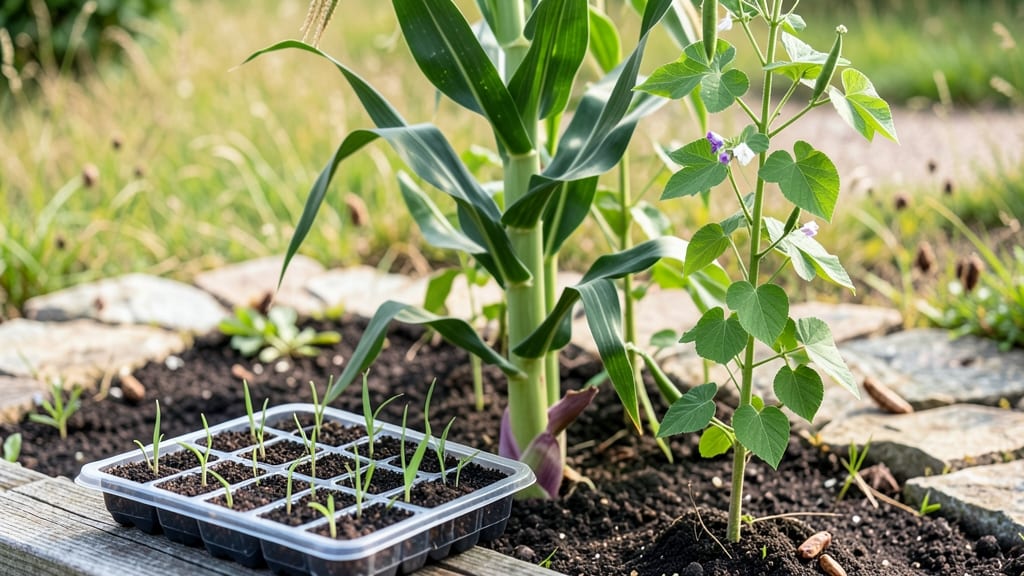
Planting beans and corn together isn’t just clever—it’s a symbiotic power move that boosts both crops. 🌱 The beans fix nitrogen in the soil while the corn provides shade and support, creating a self-sustaining duo that outproduces solo planting every time.
My first year trying this, my yield doubled without extra fertilizer, and the plants thrived with minimal care. The secret lies in spacing: plant corn in rows 12 inches apart, then nestle beans 4-6 inches away from each stalk.
This keeps the corn’s leaves from shading out the beans while letting the beans climb naturally. Start corn first (it’s slower to germinate), then add beans once the corn is 4-6 inches tall—this gives the beans something to cling to right away.
By midsummer, you’ll see corn stalks towering over bushy bean plants, both producing like crazy. The beans keep the soil rich, the corn blocks weeds, and you’ll harvest bushels of ears and pounds of fresh pods with almost no effort.
Just watch for pests (like corn earworm) and water consistently—this combo rewards attention with serious results. Works in any warm-season garden, from backyard plots to raised beds. The best part? You’ll end up with two crops where most people only grow one. Let’s get those seeds in the ground!
📚 In This Guide
- What you need
- Instructions
- Tips and common mistakes
- Wrapping up and next steps
What you need
- ● Seeds: Corn seeds (e.g., Golden Bantam or Silver Queen): 1–2 lbs (adjust based on planting area)
- ● Bean seeds (e.g., Pole beans like Kentucky Wonder or Bush beans like Blue Lake): ½–1 lb
- ● Soil: Well-draining, fertile loam (pH 6.0–7.0); amend with compost if needed.
- ● Fertilizer: Balanced 10-10-10 or 5-10-10 (low-nitrogen to avoid leggy corn).
- ○ Optional: Bone meal (for phosphorus) or kelp meal (for micronutrients).
- ● Tools: Garden trowel or transplanting knife
- ● Hoe or cultivator
- ● Watering can or hose with adjustable nozzle
- ● Measuring tape or string (for spacing)
- ● Plant supports: Trellis, stakes, or cages for pole beans (if growing vertically).
- ● Mulch: Straw or grass clippings to retain moisture and suppress weeds.
- ● Row covers: Lightweight fabric to protect seedlings from pests or frost.
- ● Soil tester kit: To check pH/nutrient levels before planting.
- ● Seedling trays: If starting indoors (4–6 weeks before last frost).
Step-by-step instructions for planting beans and corn together
This proven method boosts yields by letting each plant support the other—here’s how to do it right.
🌱 Step 1: Choose the Right Varieties and Prepare the Soil
Pick bush beans (like Blue Lake) and short-maturing corn (like Golden Bantam) for best results. Beans fix nitrogen in the soil, which corn loves—just don’t plant them too close together. Test your soil first; aim for a pH between 6.0 and 6.8 for both crops. If your soil is heavy clay or sandy, mix in 2 inches of compost before planting to improve drainage and fertility.
Work the soil to a depth of 12 inches, breaking up any clumps. This ensures roots can spread easily. I like to add a slow-release fertilizer (like 10-10-10) at planting time—just follow the package rate. Avoid fresh manure; it can burn tender seedlings. If your soil feels dry to the touch, water it deeply 24 hours before planting to settle everything evenly.
☀️ Step 2: Plant Corn First in Rows with Proper Spacing
Corn needs a head start, so plant it 2-3 weeks before beans. Drop 3-4 corn seeds every 12 inches in rows spaced 3 feet apart. Plant seeds 1 inch deep—deeper in cool soil, shallower in warm soil. Thin to one strong seedling per hill when they’re 4 inches tall, using scissors to avoid pulling. This spacing gives corn room to grow while leaving space for beans between rows.
Corn thrives in full sun (6+ hours daily) and warm soil. If nights are still chilly, cover seedlings with row fabric until the soil warms to 60°F. You’ll see the first true leaves (long, narrow, and pointed) emerge in 7-10 days. Once corn reaches 6 inches tall, it’s ready for beans to join the party.
🌱 Step 3: Plant Beans Between Corn Rows for Mutual Benefits
Beans need warm soil (at least 60°F) to germinate, so wait until corn is 6-8 inches tall before planting. Drop 4-5 bean seeds every 4 inches in the middle of the corn rows, planting them 1 inch deep. This spacing keeps beans from competing with corn for light and nutrients. Water gently after planting—beans hate soggy soil but need consistent moisture to germinate.
Here’s the trick: plant beans in a staggered pattern between corn hills. This creates a natural trellis as the corn grows, giving beans something to climb while keeping them off the ground (which prevents rot). You’ll see tiny bean leaves (round and fuzzy) push through the soil in 5-7 days. Once they’re 3 inches tall, thin to one strong plant per spot to avoid overcrowding.
💧 Step 4: Water and Maintain for Maximum Yield
Corn and beans both need 1 inch of water per week, but corn drinks more as it matures. Water deeply at the base in the morning to reduce evaporation and fungal risks. Avoid wetting the leaves—this prevents disease. Mulch with 2 inches of straw after planting to retain moisture and keep weeds down. Weeds steal nutrients that beans and corn need to thrive.
Watch for yellowing leaves on corn—this often means nitrogen deficiency (even though beans are fixing it). Side-dress corn with ½ cup of compost tea or a balanced fertilizer when tassels form. Beans, on the other hand, may show brown spots if overwatered. Adjust your schedule so the soil is damp but not soggy—stick your finger in the top inch to check.
⏰ Step 5: Harvest at Peak Ripeness for Best Flavor
Corn is ready when the silks turn brown and the kernels plump when squeezed. Harvest in the morning for the sweetest flavor. Beans are ready when pods are firm, fully colored, and snap easily when bent. Pick them every 2-3 days to encourage more production. Leave a few pods on the plant to dry for seeds if you want to save them for next year.
This side-by-side setup works because corn provides shade for beans (keeping soil cooler and moisture retained), while beans feed the soil with nitrogen. By the end of the season, you’ll have healthier corn and bushels of beans—all from the same space. Just remember: don’t plant too many beans in one spot or they’ll outcompete the corn for sunlight.
Tips & tricks for perfect beans and corn companion planting
These simple strategies will help you maximize your garden's potential without the guesswork.
Soil Prep is Everything: Don't skip the soil test! I've learned the hard way that skipping this step can lead to poor yields. Aim for that 6.0-6.8 pH range—beans need slightly acidic soil to fix nitrogen properly. If your soil is heavy clay, mix in that 2 inches of compost before planting to improve drainage. For sandy soil, add a bit more compost (up to 3 inches) to help retain moisture and nutrients. The extra effort pays off with healthier plants and better yields.
Timing Secret: That 2-3 week head start for corn is crucial. I've tried planting them together and it never works as well as when corn gets established first. Wait until corn reaches 6-8 inches tall before adding beans—this ensures the corn has strong roots to support both plants. If you're in a cooler climate, consider starting corn indoors 4-6 weeks before your last frost date to give it that extra advantage.
Planting Pattern Matters: The staggered planting between corn hills creates a natural trellis for beans. I like to visualize it like a checkerboard pattern—beans in the middle of the corn rows, not too close to the corn stalks. This keeps beans off the ground (preventing rot) while giving them something to climb as they grow. If you notice beans sprawling too much, gently weave them through the corn stalks to encourage vertical growth.
Watering Wisdom: That 1 inch per week guideline is perfect, but timing matters too. Water in the morning so leaves have time to dry before evening. I've seen fungal issues develop when water sits on leaves overnight. For beans specifically, keep the soil consistently moist but not soggy—stick your finger in the top inch of soil to check. If it feels dry, water gently at the base of the plants.
Pro Tips for Beans And Corn Planting
- These simple strategies will help you maximize your garden's potential without the guesswork.
- Soil Prep is Everything: Don't skip the soil test!
- Timing Secret: That 2-3 week head start for corn is crucial.
Frequently asked questions
Got questions about planting beans and corn together? You’re not alone! Here are some of the most common queries—and their straightforward answers—to help you grow a thriving trio.
What’s the best spacing for beans and corn planted together?
For maximum yield, plant corn in rows spaced 24–36 inches apart, with each plant 12–18 inches apart. Beans should go 4–6 inches deep between corn rows or in hills around the corn stalks. This spacing ensures beans climb corn stalks while competing less for sunlight and nutrients.
When is the ideal time to plant beans and corn together?
Plant corn first when soil temps hit 60°F+ (spring, after frost risk passes). Sow beans 2–4 weeks later, once corn is 6–12 inches tall. This staggered timing gives beans a head start on climbing while avoiding competition for early-season moisture.
Can I plant beans and corn together in containers?
Yes! Use large containers (12+ inches deep) with a 5-gallon bucket per corn plant and 2–3 bean plants per container. Ensure containers have drainage and support (like trellises for beans). Just monitor watering closely—containers dry out faster than garden soil.
What pests should I watch for when growing beans and corn together?
Corn earworms and bean beetles are top threats. Preventative tips:
- Use row covers early in the season.
- Plant pest-resistant varieties (e.g., ‘Golden Bantam’ beans or ‘Silver Queen’ corn).
- Handpick pests or introduce beneficial nematodes for soil-dwelling larvae.
Are there alternatives to planting beans and corn together?
If space or pests are concerns, try these pairings:
Plant Combo
Benefits
Beans + Squash
Squash shades soil, reducing weeds; beans fix nitrogen.
Corn + Potatoes
Potatoes break up corn’s compacted soil; corn provides shade.
Beans + Lettuce
Beans tolerate shade; lettuce thrives under their canopy.
Wrapping up and next steps
Planting beans and corn together isn’t just smart—it’s a time-tested way to boost your garden’s productivity! By mastering side-by-side spacing, you’ll create a thriving ecosystem that maximizes yields while keeping pests at bay.
Whether you’re a seasoned gardener or just starting, these secrets will help you grow a bountiful harvest with less effort.
Now that you’re armed with the right knowledge, roll up your sleeves and get planting! Start small if you’re new, track your progress, and soon you’ll be reaping the rewards of this dynamic duo. Happy gardening—your future meals (and wallet) will thank you! 🌱💚