
Pests
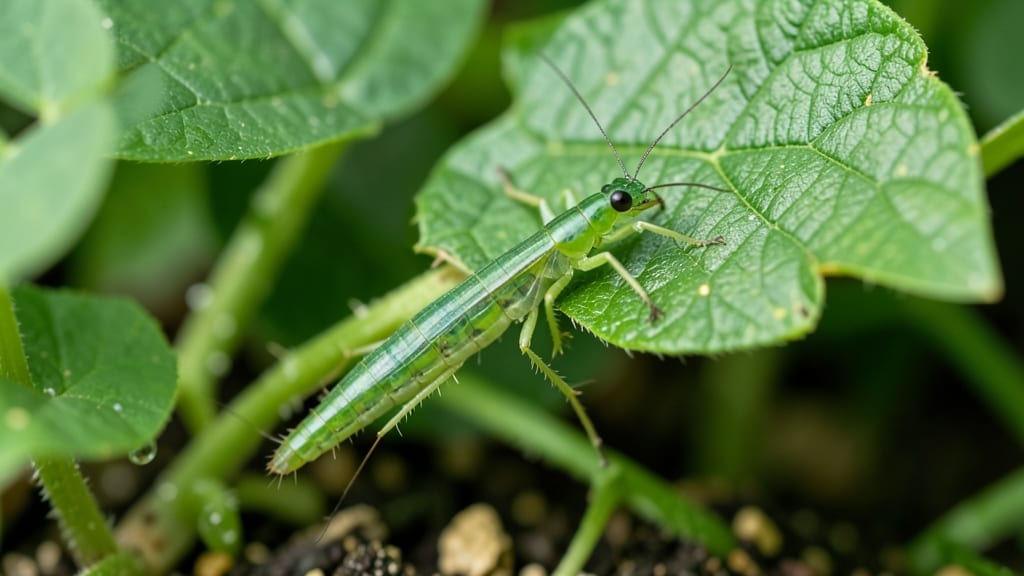
A homemade bug spray for green beans saved my harvest last summer when aphids turned the leaves into sticky messes—so I swapped store-bought sprays for a food-safe alternative. 🌱 solution that works just as well—if not better.
The key is blending cayenne pepper, dish soap, and water into a fine mist that aphids hate but won’t harm your plants or the beans you’ll eat. Unlike chemical sprays, this mix breaks down quickly and won’t linger on your harvest.
Even better, it’s cheap—you’ll spend less than $5 for the whole season’s worth. What you’ll end up with is beans that stay lush and productive, free from the telltale curled leaves and sticky residue that signals an infestation.
The spray works best in the early morning or evening when pests are most active, and you’ll see results within 24 hours of application. No fancy equipment needed—just a spray bottle and ingredients you likely already have in your kitchen.
Let’s keep those beans thriving without compromising your health or the planet.
Root Causes of Bean Pests
Green beans are a garden favorite, but they often attract pests like aphids, beetles, and other insects that can wreak havoc on your harvest. Understanding why these pests target your plants is the first step in protecting your crop.
Below, we break down the key reasons these bugs show up—and how to address them.
When green beans grow too closely together or face environmental stress (like drought or poor soil), they become more vulnerable to pests. Stressed plants emit chemical signals that attract insects, as they’re easier to feed on and less able to defend themselves.
- Why it happens: Weakened plants have thinner cell walls, making them an easy snack for aphids and beetles.
- Actionable fix: Space plants properly (4–6 inches apart) and ensure they get consistent water and nutrients.
A healthy garden ecosystem includes beneficial insects like ladybugs, lacewings, and parasitic wasps that keep pests in check. If these predators are missing, pests thrive unchecked.
- Why it happens: Monoculture planting (growing only green beans) disrupts natural balance, while chemical pesticides can kill both pests and their predators.
- Actionable fix: Plant companion crops (e.g., marigolds, basil) to attract beneficial insects and avoid broad-spectrum pesticides.
Soil rich in nitrogen but lacking phosphorus or potassium can lead to weak, pest-prone plants. Nitrogen-heavy soil makes plants soft and attractive to chewing insects like bean beetles.
- Why it happens: Over-fertilizing with nitrogen (e.g., fresh manure) can trigger pest outbreaks.
- Actionable fix: Use a balanced fertilizer (e.g., 10-10-10) and amend soil with compost for long-term resilience.
Pests are often drawn to green beans during hot, dry spells or after heavy rain. These conditions stress plants and make them more appealing to insects.
- Why it happens:
- Heat stress reduces plant defenses.
- Excess moisture creates ideal breeding grounds for soft-bodied pests like aphids.
- Actionable fix: Mulch to retain moisture, provide shade cloth in extreme heat, and ensure good drainage.
Some gardeners unknowingly weaken their plants by using harsh synthetic sprays, which strip away protective waxes and oils. This leaves plants defenseless against pests.
- Why it happens: Overuse of fungicides or broad-spectrum insecticides can harm beneficial microbes and plant immunity.
- Actionable fix: Opt for homemade sprays (like pepper spray) or neem oil to deter pests without harming your plants.
Key Takeaway: Pests target green beans when plants are weak, predators are absent, or environmental conditions favor their survival. By addressing these root causes—through better spacing, companion planting, soil care, and natural pest control—you’ll create a garden that’s far less appealing to unwanted visitors. 🚫🐜
Quick Fixes for Bean Pests
When aphids, beetles, or other unwanted critters invade your green bean patch, acting fast is key. Below are practical, garden-tested solutions to protect your plants—without harsh chemicals. Each fix targets a specific problem, so pick the one that matches your situation.
Aphids love feasting on tender green bean leaves, leaving behind sticky residue (honeydew) that attracts ants and fosters mold. Pepper spray is a natural, non-toxic way to kick them out—and it’s easy to make!
🔥 Step-by-Step Pepper Spray Recipe
- Mix the Ingredients 🍳
- Combine 2 tablespoons of cayenne pepper (or crushed red pepper flakes) with 1 quart of warm water.
- Add 1 teaspoon of dish soap (to help the spray stick to bugs).
- Optional: Stir in 1 tablespoon of garlic or onion juice for extra pest-repelling power.
- Strain & Store 👨🍳
- Let the mixture cool, then strain out any chunks.
- Pour into a spray bottle and store in a cool, dark place (it lasts 1–2 weeks).
- Apply at Dusk or Early Morning ⏰
- Lightly spray both sides of leaves (aphids hide on the undersides!).
- Reapply every 3–5 days or after rain.
💡 Pro Tips for Maximum Effect
- Test first! Spray a small area to ensure your plants tolerate the blend.
- Combine with neem oil (1 tsp per quart) for stubborn infestations.
- Encourage ladybugs—they’re aphid-eating superheroes! 🦜
Beetles (like Mexican bean beetles or Colorado potato beetles) munch on leaves and pods, causing visible damage. Since pepper spray won’t stop them, try these physical and trap-based fixes:
🛡️ Create a Physical Barrier
- Row Covers 🌿: Use floating row covers (lightweight fabric) to block beetles while letting pollinators through.
- Collar Young Plants 🔪: Wrap the base of seedlings with cardboard collars (cut from a toilet paper roll) to prevent beetles from crawling up.
🎯 DIY Beer Traps for Adult Beetles
- Fill a shallow dish with beer or sweet wine.
- Bury it near plants so the rim is at soil level.
- Beetles drown within hours—check and refresh every 2–3 days.
🌡️ Heat or Cold Treatment (For Severe Cases)
- Handpick beetles into a bucket of soapy water (especially in the morning when they’re sluggish).
- Freeze infested pods (if harvest isn’t urgent) to kill eggs.
Tiny but destructive, spider mites suck plant juices and spin webs, weakening green beans. Since they’re hard to spot, act fast with these remedies:
💦 Knock ‘Em Off with Water
- Blast leaves with a strong stream of water (early morning works best).
- Repeat every 2–3 days until webs disappear.
🌿 Neem Oil or Horticultural Oil Spray
- Mix 1 tablespoon of neem oil with 1 quart of water + 1 tsp of soap.
- Spray thoroughly, covering the undersides of leaves (where mites hide).
- Reapply every 5–7 days until mites are gone.
🎯 Introduce Predatory Mites
- Release phytoseiulus persimilis (a beneficial mite) to eat spider mites naturally.
The best defense? Stop pests before they start with these low-effort habits:
| Problem | Prevention Tip | How to Do It |
|---|---|---|
| Aphids | Plant garlic, chives, or marigolds nearby | Interplant flowers to repel aphids naturally. |
| Beetles | Crop rotation | Avoid planting beans in the same spot yearly. |
| Spider Mites | Keep plants hydrated | Water deeply 2–3 times per week (mites hate humidity). |
| All Pests | Healthy soil = strong plants | Add compost and worm castings before planting. |
🌟 Bonus: Companion Planting Chart
Plant these pest-repelling pals alongside your green beans:
- Basil (deters thrips)
- Nasturtiums (trap aphids)
- Dill or Fennel (confuses beetles)
Remember: Consistency is key! Check your plants weekly and act at the first sign of trouble. With these fixes, your green beans will stay bug-free and thriving—no harsh sprays needed! 🌱💚
Frequently asked questions
Can I use store-bought bug spray on green beans?
For edible crops like green beans, it's best to avoid synthetic sprays right before harvest. Opt for organic, food-safe options like neem oil or the homemade pepper spray recipe in this guide. Always check the label for harvest intervals if you must use commercial products.
How often should I reapply homemade pepper spray?
Reapply every 3-5 days or immediately after rain, as the solution breaks down quickly. For stubborn infestations, combine with neem oil (1 tsp per quart) and apply weekly. Early morning or evening applications work best when pests are most active.
Will pepper spray harm beneficial insects like bees?
When applied correctly, pepper spray targets soft-bodied pests like aphids while being less harmful to bees. Apply only when flowers aren't open and avoid spraying directly on blooming plants. For extra safety, use in the evening when pollinators are less active.
What's the best way to store homemade bug spray?
Store in a cool, dark place (like your fridge) in a labeled spray bottle. The mixture lasts 1-2 weeks. For longer storage, freeze in ice cube trays and thaw as needed. Always shake well before use to redistribute ingredients.
Why are my green beans getting holes even after spraying?
Holes often mean beetles (like Mexican bean beetles) rather than aphids. Pepper spray won't stop chewing insects—try physical barriers (row covers) or beer traps. For severe cases, handpick beetles into soapy water, especially in the morning when they're sluggish.