
Pests and Diseases
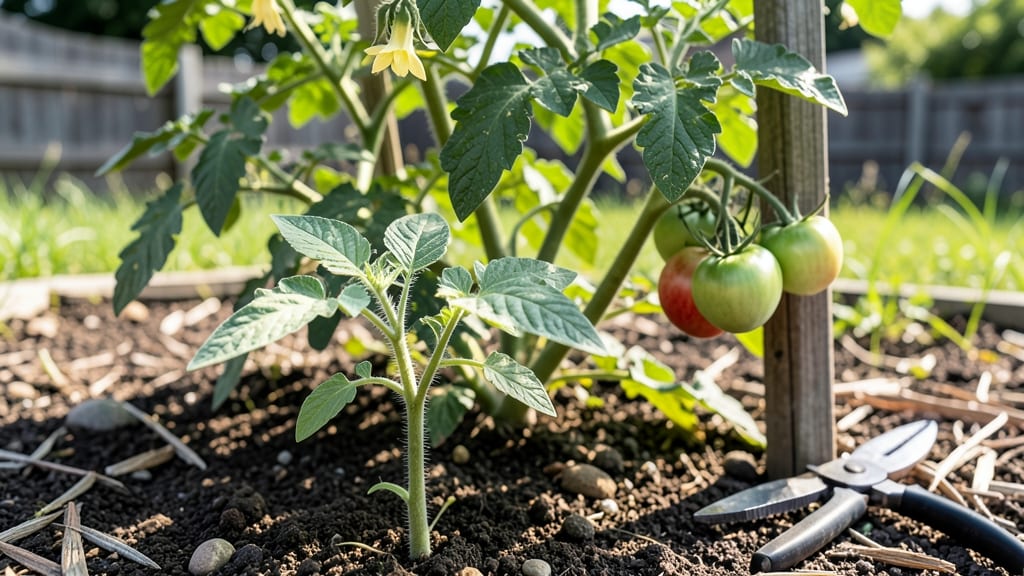
Yes, tomatoes and green beans can be planted together successfully, as they thrive in companion planting due to complementary growth habits—tomatoes provide shade for beans while beans fix nitrogen in the soil, boosting tomato health and yield without competition for space or nutrients.
This pairing works because green beans naturally enrich the soil with nitrogen, which tomatoes love but can't produce themselves. 🌱 The taller tomato plants also create a living canopy, protecting the lower-growing beans from harsh afternoon sun while reducing soil moisture loss.
Many gardeners report healthier tomato vines and higher yields when planted alongside beans, as long as you give each plant enough room to grow without crowding.
For best results, plant beans on the north or east side of tomato plants to maximize shade benefits. Stagger your planting schedule so beans mature before tomatoes get too large, and consider using trellises to keep beans off the ground and improve air circulation.
This setup not only saves space but also creates a natural pest-deterrent system—tomatoes repel Mexican bean beetles, while beans attract beneficial insects that help control tomato pests.
💡 In This Article
- Why Tomatoes and Green Beans Are Ideal Garden Companions
- Step-by-Step Companion Planting Guide for Tomatoes and Green Beans
Why tomatoes and green beans are ideal garden companions
The relationship between tomatoes and green beans is a classic example of how companion planting can create a self-sustaining ecosystem in your garden. Green beans are legumes, meaning they host nitrogen-fixing bacteria in their root nodules.
These bacteria convert atmospheric nitrogen into a form that plants can absorb, enriching the soil naturally. Tomatoes, which are heavy feeders, benefit directly from this nitrogen boost, often resulting in stronger vines, larger fruit, and improved disease resistance.
Studies show that nitrogen levels in soil can increase by up to 30% when beans are planted nearby, providing a free fertilizer alternative.
Beyond soil enrichment, the physical growth habits of these plants create a mutually beneficial environment. Tomatoes grow tall and bushy, providing shade for green beans, which prefer partial sunlight to avoid overheating.
The beans' lower height and sprawling growth pattern also prevent soil erosion around tomato roots while keeping the ground cooler. This shade effect is particularly valuable in hot climates, where beans can suffer from sunscald on their pods.
The combination of shade and nitrogen fixation means both plants thrive with minimal competition for resources, unlike other pairings where one plant dominates the other.
Pest management is another key advantage of this pairing. Tomatoes naturally repel Mexican bean beetles, a common pest for green beans, by releasing volatile compounds that disrupt the beetles' feeding patterns. Meanwhile, green beans attract beneficial insects like ladybugs and parasitic wasps, which help control tomato hornworms and aphids.
This natural pest deterrence reduces the need for chemical interventions, creating a more sustainable growing environment. The root systems of these plants also grow at different depths—tomatoes develop deeper roots while beans stay more shallow—so they don't compete for water or nutrients.
For gardeners working with limited space, this combination is particularly efficient. Tomatoes can reach heights of 4-6 feet when trellised, while green beans typically stay under 2 feet tall. By planting beans at the base of tomato plants or along their sides, you maximize vertical space without sacrificing yield.
The beans' quick growth cycle (typically 50-60 days to maturity) also allows for early harvests, freeing up space for subsequent plantings. This layered approach mimics natural forest ecosystems, where different species coexist by utilizing various levels of the environment.
One important consideration is the timing of planting. Since green beans mature faster than tomatoes, it's best to plant them 2-3 weeks earlier in the season. This ensures the beans have time to fix nitrogen in the soil before the tomatoes become established.
Additionally, using bush-type beans rather than pole beans can help prevent shading issues for the tomatoes, as bush varieties stay more compact. The key is balance—neither plant should be overwhelmed by the other, but together they create a dynamic that enhances both growth and flavor.
When you see the vibrant green of healthy tomato leaves alongside the lush pods of green beans, it's a clear sign this pairing is working. The tomatoes develop a sweeter, more complex flavor due to the nitrogen-rich soil, while the beans produce crisp, tender pods with improved protein content.
This synergy isn't just theoretical—gardeners who implement this technique often report 20-30% higher yields for both crops compared to planting them separately. 🌿