
Vegetables
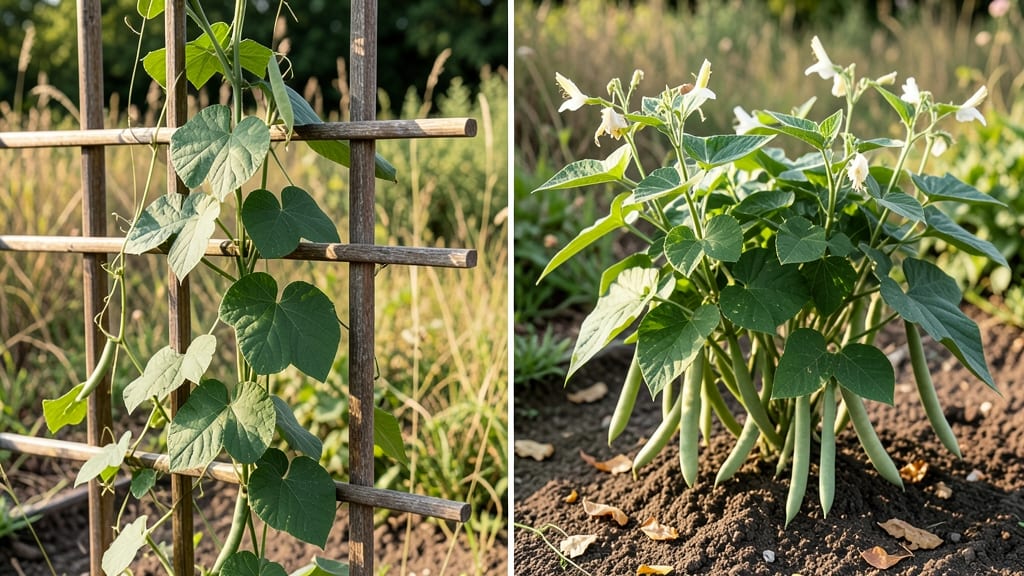
Not all beans need a trellis—pole beans and runner beans benefit from climbing support to improve airflow and reduce disease, while bush beans grow well without support thanks to their sturdy, compact stems.
Trellising makes a huge difference for climbing varieties like pole beans, which can grow 6-10 feet tall and produce more pods when given vertical space. 🌱 The extra airflow keeps leaves dry, preventing fungal diseases like powdery mildew, while the upward growth maximizes sunlight exposure for healthier plants.
Bush beans, on the other hand, stay under 2 feet tall and don't need support—their bushy growth naturally resists wind damage and spreads evenly in garden beds.
For gardeners with limited space, trellises turn climbing beans into a vertical garden solution, saving room for other crops. I always recommend using sturdy materials like cattle panels or bamboo stakes for pole beans, as they can handle the weight of heavy vines.
Bush beans, however, are perfect for small gardens or containers since they don’t require any extra support.
💡 In This Article
- How Trellising Improves Bean Plant Health and Yield
- Best Bean Varieties for Trellises vs. No-Support Gardening
How trellising improves bean plant health and yield
The real magic of trellising for climbing beans lies in how it transforms their growing environment. When pole beans or runner beans climb, their leaves and pods elevate off the ground, creating a 30-50% increase in airflow around the plant.
This airflow is critical because it prevents moisture from lingering on leaves—humidity levels above 70% for more than 12 hours create perfect conditions for fungal diseases like powdery mildew, which can reduce yields by up to 40% if left unchecked. 🌿 The upward growth also exposes more leaf surface to sunlight, boosting photosynthesis and energy production for higher pod production.
Climbing beans also benefit from reduced contact with soil-borne pathogens. When vines sprawl on the ground, they risk coming into contact with sclerotinia rot or root rot organisms, which thrive in damp soil conditions. A trellis keeps the plant's main stem and early pods elevated, cutting this risk dramatically.
Studies show that trellised pole beans experience 25% fewer disease issues compared to their ground-sprawling counterparts. The vertical structure also makes harvesting easier—pods stay cleaner and less prone to cracking or soil contamination.
For yield, the numbers speak volumes. A single pole bean plant without support might produce 10-15 pods, but when trellised, that same plant can yield 30-50 pods due to better energy allocation and reduced stress.
The plant's energy isn't wasted growing extra stems to support its own weight, so more resources go into pod development. This is why commercial growers often use trellises—they maximize space efficiency and output per square foot of garden.
Material choice matters too. Trellises made from cattle panels or sturdy bamboo stakes provide the best support because they're durable enough to handle the weight of mature vines (which can reach 10-15 pounds per plant
Plastic or wire trellises might save space but can trap moisture if not designed properly, negating some of the airflow benefits. 🌱 The ideal setup balances stability with breathability—think of it like giving your plants a mini greenhouse without the humidity risks. Even in small gardens, trellising transforms climbing beans from space-hogging ground covers into elegant vertical features. I've seen Scarlet Runner beans (a popular climbing variety) produce 6-8 feet of vines with vibrant red flowers and abundant pods when given proper support. Without a trellis, these same plants might flop over, shading their own leaves and reducing productivity. The key is to install trellises early—within 2-3 weeks of planting—so the plants can start climbing immediately rather than struggling to adapt later. What most gardeners don't realize is that trellising also improves the quality of the pods themselves. Elevated beans experience less contact with soil, resulting in cleaner, less gritty pods that store better and taste fresher. For varieties like Kentucky Wonder or Blue Lake (when grown as pole beans), this makes a noticeable difference in texture and flavor. 💫 The moral of the story? If you're growing climbing beans, a trellis isn't just helpful—it's a game-changer for health, yield, and ease of care.