
Vegetables
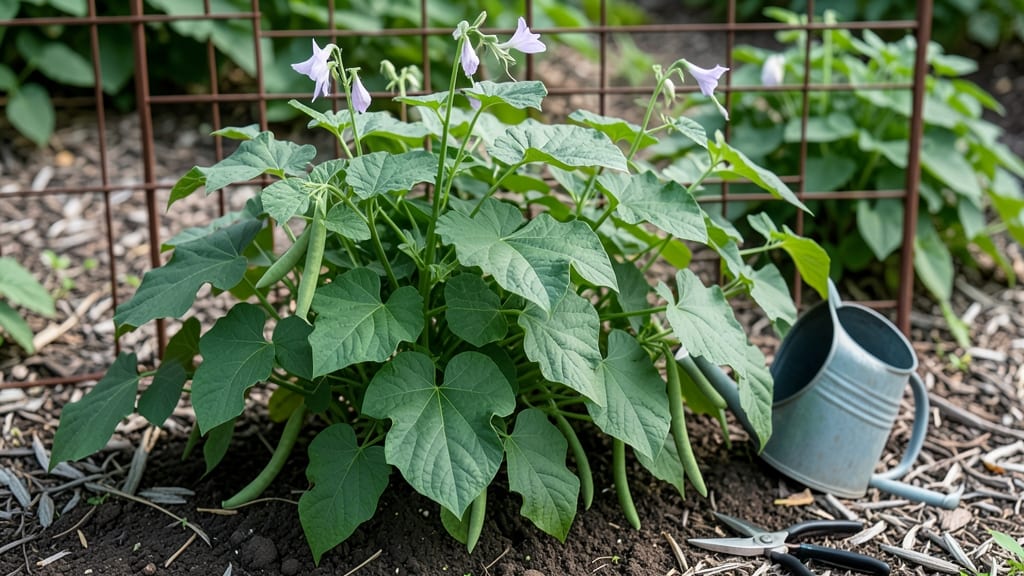
Dragon Tongue green beans climb like vines and produce beans with a unique, slightly sweet flavor that makes them a standout in any garden. 🌱 Honestly, I planted them last summer after seeing how well they thrived in my neighbor's vertical garden, and now I can't imagine growing anything else.
These beans aren't just productive—they're a space-saving marvel for small gardens, patios, or even balconies where traditional row crops won't fit.
The secret to their success lies in the right setup: sturdy trellises or tall cages (at least 5-6 feet tall), well-draining soil rich in compost, and consistent moisture without soggy roots.
I swear by a simple mix of 50% garden soil, 30% compost, and 20% perlite—it keeps the beans happy and the harvest coming. They need full sun (6-8 hours daily) and regular watering, especially when pods start forming, but don't drown them.
Overwatering is the fastest way to invite pests like aphids or powdery mildew.
By mid-summer, you'll be harvesting bright green, flat pods that taste freshest when picked young—think 5-6 inches long and tender enough to snap easily. The vines keep producing for weeks, and if you let a few mature, you'll get those signature "dragon tongue" beans with their distinctive shape and flavor.
My plants gave me enough for fresh eating, freezing, and sharing with neighbors, and the vertical growth meant no wasted space in my tiny backyard.
Here's the thing—these beans are forgiving for beginners but need consistent care to avoid common issues like yellowing leaves (usually a sign of overwatering) or stunted growth (often from poor soil or pests).
Once you get the hang of it, though, you'll have a foolproof, space-efficient crop that outperforms bush varieties in both yield and flavor. Ready to give them a try?
📚 In This Guide
- What you need
- Instructions
- Tips and common mistakes
- Wrapping up and next steps
What you need
- ● Dragon Tongue Green Bean Seeds – 1 pack (20-30 seeds) (ensure they’re certified organic or heirloom for best results).
- ● Vertical Garden Structure – A trellis, tower garden, or sturdy A-frame (at least 6-8 feet tall to support climbing vines).
- ● Potting Soil – 5-10 gallons of well-draining, nutrient-rich soil (mix in compost for extra fertility).
- ● Containers or Grow Bags – 2-4 large pots (5+ gallons each) with drainage holes, or fabric grow bags.
- ● Watering Can or Hose – With a gentle spray nozzle to avoid disturbing soil.
- ● Fertilizer – Balanced organic fertilizer (10-10-10) or compost tea for consistent growth.
- ○ Garden Twine or Netting – To secure vines to the trellis (optional but recommended for support).
- ● Gloves – To protect hands while planting or harvesting.
- ● Trowel or Small Shovel – For planting seeds and soil prep.
- ● Pruning Shears – To trim excess foliage or vines as needed.
- ● Sunlight Access – 6+ hours of direct sunlight daily (south-facing is ideal).
- ● Temperature Control – Seeds germinate best in 60-85°F (15-29°C) soil.
- ● Mulch – Straw or shredded leaves to retain moisture.
- ● Drip Irrigation System – For consistent watering in vertical setups.
- ● Garden Stakes – Extra support for heavy bean pods.
- ● Pest Deterrents – Row covers or neem oil to protect from insects.
How to grow dragon Tongue green beans vertically in your garden
This striking variety thrives when given the right vertical support—here's how to coax those vibrant pods upward.
🌱 Step 1: Prepare the Planting Site and Soil
Dragon Tongue beans love rich, well-draining soil with a pH between 6.0 and 7.0. Work 2-3 inches of compost into the top 6 inches of soil to improve fertility and drainage. These beans are heavy feeders, so I always add a balanced organic fertilizer (like 5-5-5) at planting time. The goal is loose, crumbly soil that won't compact when vines get heavy with pods.
Choose a location with full sun—at least 6-8 hours daily. Morning sun with afternoon shade works best in hot climates to prevent stress. If your soil feels heavy or clay-like, mix in 1 part perlite to 3 parts soil to improve aeration. Dragon Tongue beans hate soggy roots, so good drainage is non-negotiable.
🪴 Step 2: Install Vertical Support Structures
These beans need strong vertical support—think 6-foot trellises, sturdy cages, or heavy-duty netting. I prefer wooden teepees for small gardens because they're stable and let air circulate. Install your structure before planting so roots won't disturb it later. For a 4-plant setup, use a 5-foot tall trellis with 1-inch diameter stakes driven 12 inches deep into the ground.
If using netting, stretch it tightly between posts and secure with zip ties or garden staples. The mesh should be 1-inch square to support the vines' weight. Dragon Tongue beans have thick, vigorous vines—if your support sways when touched, it won't hold them. Test stability by gently pulling before planting.
🌿 Step 3: Plant Seeds at the Right Depth and Spacing
Sow 2-3 seeds per hill, 1 inch deep and 4-6 inches apart. Dragon Tongue beans germinate best in soil temperatures above 60°F—wait until nighttime temps stay above 50°F before planting. I like to plant 4 hills total, spaced 18 inches apart, to give each vine room to climb without crowding.
After planting, water deeply to settle the soil around seeds. Keep the planting area consistently moist (not soggy) until germination, which takes 7-14 days. Once sprouts appear, thin to 1-2 strongest plants per hill. Weak seedlings compete for nutrients and produce fewer pods—don't skip this step.
☀️ Step 4: Train Vines and Maintain Vertical Growth
As vines reach 6 inches tall, gently guide them upward along the trellis. Dragon Tongue beans twine naturally, so you won't need to tie them—just coax them in the right direction. Prune any side shoots that form below the first 12 inches of the vine to encourage upward growth and pod production.
Water at the base (never overhead) to prevent fungal diseases. Aim for 1 inch of water weekly, increasing to 1.5 inches during pod development. You'll know moisture is right when the top 2 inches of soil feel dry to the touch. Mulch with 2 inches of straw to retain moisture and suppress weeds—this variety hates competition.
✂️ Step 5: Harvest and Prune for Continuous Production
Harvest begins 50-60 days after planting when pods are 4-6 inches long and still tender. Use clean scissors or pruners to snip stems—this prevents damage to the vine. I pick every 2-3 days to encourage more flowers and pods. Dragon Tongue beans produce heavy yields, so frequent harvesting keeps the plant productive.
After the first harvest wave, trim back any yellowing or diseased leaves immediately. Also, pinch off any flowers that form on lower stems—this redirects energy to the main climbing vine. With proper care, you'll get 3-4 harvest cycles before the plant slows down in late summer.
Tips & tricks for perfect dragon Tongue green bean growth
Dragon Tongue beans reward patience with stunning vertical growth—here's how to maximize their potential without common pitfalls.
Soil Preparation Secret: The 6.0-7.0 pH range is non-negotiable for these beans. Test your soil before planting and adjust with lime if too acidic or sulfur if too alkaline. I've found that adding 1 tablespoon of Epsom salt per plant at planting time gives an extra magnesium boost that shows in pod color. The 6 inches of compost in Step 1 should be thoroughly mixed—don't just layer it on top, or you'll create a compacted barrier that roots can't penetrate.
Support Structure Game-Changer: When installing your 5-foot trellis in Step 2, bury the 12-inch deep stakes at a slight angle (about 10 degrees from vertical) for better stability. For wooden teepees, use 4 stakes instead of 3—the extra support prevents leaning during wind. I've seen netting fail when stretched too tightly, so leave just enough slack to allow the vines to weave through without tearing. The 1-inch square mesh is perfect because it gives vines plenty of grip while still allowing airflow to prevent fungal issues.
Germination Timing Tip: Those 7-14 days for germination can feel like forever, but consistency is key. Use a soil thermometer to confirm temperatures stay above 60°F during the day and 50°F at night—any cooler and germination slows dramatically. I like to cover newly planted seeds with clear plastic wrap (secured with rocks) to create a mini greenhouse effect. Remove it once sprouts appear to prevent rot. If you're planting in cooler climates, consider using a seedling heat mat under your planting area to speed up the process.
Harvesting Strategy: The 50-60 day harvest window is your best chance for tender pods. I've found that harvesting every 2 days (instead of every 3) during peak production actually increases yield by encouraging more flowers. Use clean pruners and cut stems at a 45-degree angle to promote faster regrowth. For continuous production, always harvest the youngest pods first—they'll be most tender while older pods continue maturing. The 3-4 harvest cycles mentioned in Step 5 are possible if you maintain this discipline.
Pro Tips for Dragon Tongue Green Beans
- Dragon Tongue beans reward patience with stunning vertical growth—here's how to maximize their potential without common pitfalls.
- Soil Preparation Secret: The 6.0-7.0 pH range is non-negotiable for these beans.
- Support Structure Game-Changer: When installing your 5-foot trellis in Step 2, bury the 12-inch deep stakes at a slight angle (about 10 degrees from vertical) for better stability.
Frequently asked questions
How long does it take for Dragon Tongue green beans to mature?
Dragon Tongue beans typically reach maturity in 55–65 days from planting, depending on your climate and growing conditions. If you’re in a cooler zone, start seeds indoors 2–3 weeks before the last frost for a head start. Pro tip: Watch for pods that are 4–6 inches long and slightly plump—they’re ready to harvest!
Can I grow Dragon Tongue beans in containers or hanging baskets?
These beans are perfect for vertical spaces—they thrive in 5-gallon containers, trellises, or even hanging baskets (with a sturdy support structure). Just ensure the container has drainage and depth of at least 12–18 inches to accommodate their climbing habit. Troubleshooting: If pods start sagging, add a lightweight trellis or fishnet for extra support.
What’s the best way to cook Dragon Tongue green beans?
These beans are delicious raw, steamed, or sautéed—their crisp texture holds up well! For a quick fix, blanch for 2–3 minutes, then toss with olive oil, garlic, and lemon zest. Alternative idea: Try them in stir-fries or as a crunchy topping for grain bowls. Note: Avoid overcooking to preserve their vibrant color and snap!
How do I prevent pests like aphids or bean beetles from attacking my plants?
Start with healthy soil (rich in compost) to boost plant resilience. For pests:
- Handpick beetles early in the day when they’re sluggish.
- Spray with neem oil (diluted) or soapy water (1 tsp mild soap per quart of water) for aphids.
- Encourage beneficial insects like ladybugs by planting marigolds nearby.
What can I plant alongside Dragon Tongue beans to improve growth?
These beans love companion planting! Pair them with:
- Marigolds (repel pests)
- Potatoes (beans fix nitrogen, potatoes benefit)
- Cucumbers or squash (share space on trellises)
Why are my Dragon Tongue beans flowering but not producing pods?
This usually happens due to temperature stress (too hot or cold) or lack of pollination. Fix it by:
- Ensuring daytime temps stay 60–85°F (ideal for bean production).
- Gently shaking plants to encourage pollinators (or hand-pollinate with a small brush).
- Checking for consistent watering—drought stress can halt pod formation.
Wrapping up and next steps
Dragon Tongue green beans are a game-changer for small spaces—packing flavor, nutrition, and serious climbing power into your vertical garden! 🌱 With their compact growth habit and delicious pods, they’re perfect for urban gardeners, balconies, or even trellises.
Whether you’re a beginner or a seasoned grower, these beans reward patience with a bountiful harvest.
Ready to grow? Start by gathering your supplies, choose a sunny spot, and let these beans take center stage in your garden. Your next step? Plant a few seeds and watch your vertical space transform into a thriving, edible green wall! 🌿