
Watering
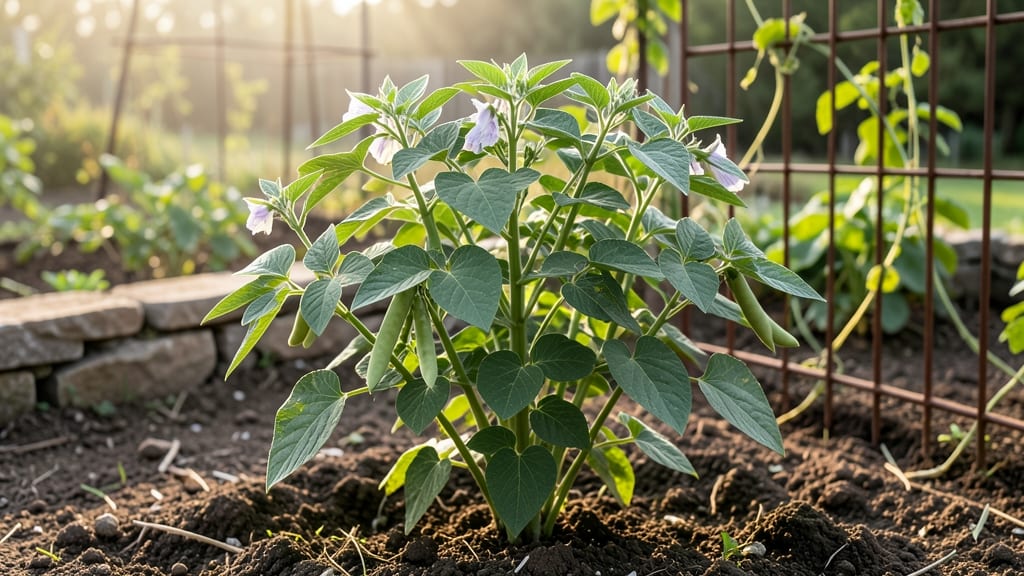
Drought-resistant beans thrive when you pick the right varieties and give them just enough water. 🌱 I’ve grown black-eyed peas and mung beans in dry soil for years, and the secret isn’t fancy irrigation—it’s choosing plants that naturally conserve moisture and matching them to your climate.
Start with well-draining soil mixed with compost to help roots dig deep. Water deeply but infrequently—once a week is often enough once established—and mulch heavily to lock in moisture. These beans won’t just survive dry spells; they’ll produce plump pods even when other crops wilt.
Companion planting with marigolds or basil keeps pests away while improving soil health. The right setup turns even the driest corner into a reliable harvest spot, with beans ready to pick in just 6-8 weeks after planting.
Works for desert gardens, urban balconies, or any spot with limited water. Here’s how to make it work without wasting a drop.
📚 In This Guide
- What you need
- Instructions
- Tips and common mistakes
- Wrapping up and next steps
What you need
- ● Drought-resistant bean seeds: Choose varieties like Cowpea, Black-eyed Pea, or Pinto Beans (1–2 lbs per 100 sq ft).
- ● Well-draining soil: Mix compost (50%) with sandy loam (50%) for optimal aeration (1–2 cubic yards per 100 sq ft).
- ● Organic mulch: Straw or wood chips (3–4 inches thick) to retain moisture (1 bag covers ~10 sq ft).
- ● Watering can or drip irrigation: A 5-gallon capacity with a fine rose nozzle (or a soaker hose for efficiency).
- ● Stakes or trellis: Bamboo stakes (6 ft tall) or wire mesh trellis (10 ft long) for climbing varieties.
- ● Fertilizer: Slow-release organic fertilizer (e.g., 10-10-10 NPK ratio, 1 lb per 100 sq ft).
- ● Garden trowel (for planting seeds 1–2 inches deep).
- ● Pruners (sterilized, for trimming vines).
- ● pH test kit (ideal soil pH: 6.0–7.0).
- ● Sunlight access: 6+ hours of direct sun daily (partial shade tolerated in extreme heat).
- ○ Drought monitor: Soil moisture sensor (optional but helpful for tracking water needs).
- ● Rainwater collection system (e.g., barrels with a mesh filter).
- ● Compost tea (for a nutrient boost every 4–6 weeks).
- ● Shade cloth (30–50% coverage for seedlings in scorching climates).
- ● Bean companion plants: Marigolds or basil to repel pests.
How to grow drought-resistant beans in dry conditions
Here's how I keep my bean plants thriving even when water's scarce—no fancy equipment needed.
🌱 Step 1: Choose the Right Bean Varieties
Not all beans handle drought equally. Look for drought-resistant varieties like 'Rattlesnake' beans, 'Droughtmaster' bush beans, or 'Black Valentine'—these are bred to store water efficiently. I always check seed packets for terms like "drought-tolerant" or "heat-resistant." These beans develop deeper root systems that reach moisture underground.
Skip the fancy heirloom seeds unless labeled drought-resistant. Common grocery-store varieties like green beans often wilt under dry conditions. Plant seeds 1 inch deep and 3-4 inches apart—this spacing gives roots room to spread without competing for water.
☀️ Step 2: Prepare the Soil for Water Retention
Drought-resistant beans need soil that holds moisture but drains well. Mix 2 parts garden soil with 1 part compost to improve water retention. I avoid heavy clay soil—it holds too much water and suffocates roots. If your soil drains too fast, add 1 part perlite to the mix to create air pockets that store moisture.
Work in a 2-inch layer of mulch (straw or wood chips) after planting. This keeps soil cool and slows evaporation. Water the soil deeply before planting—this encourages roots to grow downward where moisture lingers. You'll see healthier seedlings when roots access deeper water sources.
💧 Step 3: Water Strategically, Not Frequently
Beans hate shallow, frequent watering—it encourages weak roots that can't reach deep moisture. Instead, water deeply every 7-10 days until the soil is 6 inches deep and damp. Use a soaker hose or drip irrigation to deliver water slowly at the base. This prevents leaf wetness, which can lead to fungal diseases.
Water in the early morning so leaves dry quickly. Avoid overhead sprinklers—they waste water and promote mildew. You'll know you're doing it right when the soil feels moist 2 inches down but not soggy. Yellowing leaves usually mean either overwatering or underwatering, so check the soil first.
✂️ Step 4: Prune and Support for Better Airflow
Thin out crowded plants to 6 inches apart once they're 4-6 inches tall. This improves airflow, reducing stress on the plants. For bush beans, pinch off the first few flowers if your area gets extreme heat—this lets the plant focus on root growth instead of fruiting. You'll see stronger stems and more resilient plants.
Use trellises or stakes for pole beans to keep them off hot soil. Elevated plants stay cooler and lose less moisture. If leaves start curling or wilting in the afternoon, it's a sign of heat stress—provide afternoon shade with a lightweight shade cloth if possible. Prune any yellow or brown leaves immediately to redirect the plant's energy.
🌿 Step 5: Monitor and Adjust for Long-Term Survival
Check soil moisture weekly by sticking your finger 2 inches deep. If it's dry, it's time to water again. Beans in drought conditions may drop flowers or pods—this is normal. Focus on keeping the roots hydrated rather than trying to force blooms. You'll get a better harvest later in the season when roots are established.
Fertilize lightly with a balanced, slow-release fertilizer (like 10-10-10) once after flowering—too much nitrogen encourages leafy growth at the expense of pods. Watch for pests like bean beetles, which thrive in dry conditions. Handpick them early to avoid stressing the plants further. With these adjustments, your beans will keep producing even when rain is scarce.
Tips & tricks for growing drought-resistant beans
Real talk: Growing beans in dry conditions isn't just about planting seeds and hoping for the best. Here's what nobody tells you about keeping these plants thriving when every drop counts.
Seed Selection Matters: The varieties I mentioned like 'Rattlesnake' or 'Droughtmaster' aren't just labels—they're specifically bred to handle dry spells. Look for seed packets that explicitly say "drought-tolerant" or "heat-resistant." I've learned the hard way that fancy heirloom beans with no drought rating will wilt faster than regular grocery-store varieties. Those deep root systems are the real game-changer for survival.
Soil Mix is Everything: That 2:1:1 ratio of garden soil to compost to perlite (when needed) creates the perfect moisture balance. I always test my soil first—if it's heavy clay, I add extra perlite to prevent suffocation. The 2-inch mulch layer is non-negotiable; it's like putting a blanket on your soil to slow evaporation. Pro tip: Water deeply before planting to encourage those roots to grow downward where moisture lingers.
Watering Wisdom: Those 7-10 day intervals might seem long, but beans actually thrive on this schedule in dry climates. The key is getting water 6 inches deep—not just a quick sprinkle. I use a screwdriver to check moisture at planting time, and again after watering. If it comes out dry, I water again. Early morning watering prevents fungal diseases that love damp leaves, and that 2-inch moisture check is your best friend for avoiding overwatering.
Heat Management: When temperatures climb, I don't hesitate to provide afternoon shade with lightweight shade cloth. For bush beans in extreme heat, pinching off the first few flowers lets the plant focus on root strength first. And those trellises or stakes? They're not just for looks—they keep plants off hot soil and improve airflow, which is crucial when every drop of water matters. Yellow leaves mean it's time to check both your watering and pest control.
Pro Tips for Drought Resistant Beans
- Real talk: Growing beans in dry conditions isn't just about planting seeds and hoping for the best.
- Seed Selection Matters: The varieties I mentioned like 'Rattlesnake' or 'Droughtmaster' aren't just labels—they're specifically bred to handle dry spells.
- Soil Mix is Everything: That 2:1:1 ratio of garden soil to compost to perlite (when needed) creates the perfect moisture balance.
Frequently asked questions
Got questions about growing drought-resistant beans in dry climates?
You’re not alone! Here are some of the most common concerns—and straight answers to help you thrive, even when water’s scarce.
How often should I water drought-resistant beans?
Once established, drought-resistant beans like Phaseolus lunatus or Vigna unguiculata need water only 1-2 times per week (or less in extreme heat). Focus on deep watering—aim for 1-1.5 inches per session—to encourage strong root growth. Mulch helps retain moisture, reducing frequency further. Pro tip: Water in the early morning to cut evaporation.
When is the best time to plant drought-resistant beans?
Plant after the last frost when soil temps hit 60°F (15°C), ideally in spring or early summer. Avoid late summer—heat waves stress young plants. For extended dry spells, opt for fast-maturing varieties (50-60 days) to harvest before drought peaks. Bonus: Succession planting (every 2-3 weeks) ensures a steady harvest.
What if my drought-resistant beans still wilt despite low water?
Wilting can signal root rot (from overwatering) or pests (like bean beetles). Check soil moisture first—if damp, reduce water. For pests, handpick adults or use neem oil. If roots look mushy, improve drainage by amending soil with sand or perlite. Quick fix: Trim damaged foliage to redirect energy to roots.
Are there alternatives if drought-resistant beans fail?
Yes! Try these low-water crops:
- Lentils (drought-tolerant, nitrogen-fixing)
- Chickpeas (deep roots, thrive in heat)
- Quinoa (edible seeds, minimal irrigation)
- Sweet potatoes (vine crops, drought-hardy)
How do I know if my beans are truly drought-resistant?
Look for certified varieties labeled “drought-tolerant” or “heat-resistant,” such as:
- Rattlesnake Bean (survives 30+ days without rain)
- Cowpea (handles poor soil and heat)
- Tepary Bean (native to deserts, thrives on <5 inches of rain/year)
Wrapping up and next steps
Growing drought-resistant beans is a game-changer for gardeners in dry climates—they thrive with less water, require minimal fuss, and still pack a punch of flavor and nutrition! 🌱 By choosing the right varieties, optimizing soil health, and mastering watering techniques, you’re not just saving water—you’re building resilience for your garden’s future.
Ready to put these tips into action? Start small—plant a few seeds this season and watch your drought-proof bean patch flourish! Your future self (and the planet) will thank you.
- Next step: Pick your favorite drought-resistant variety and get planting—your garden’s water-wise revolution starts now! 🌍