
Shrubs
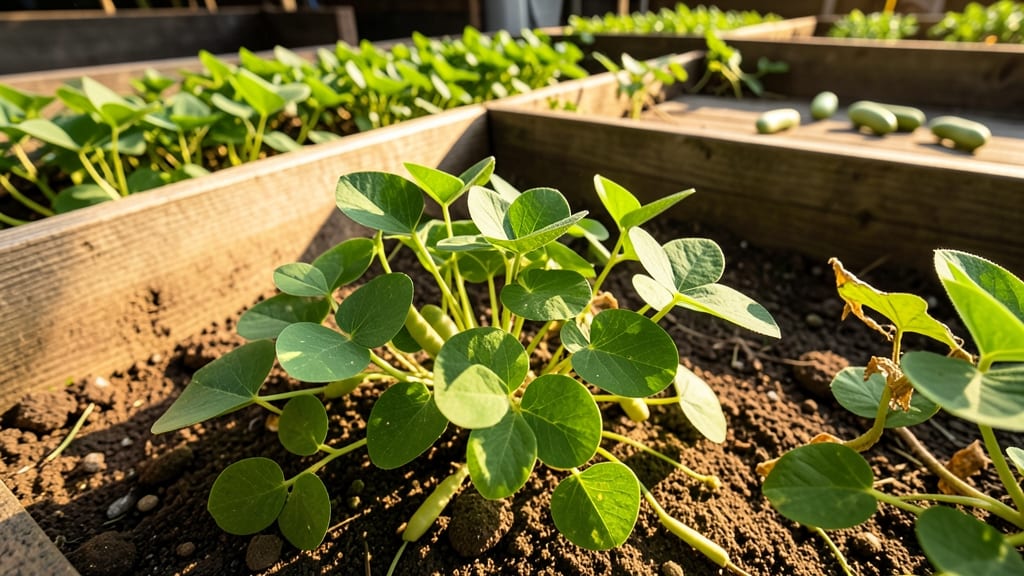
Dry beans are nutrient-packed, drought-resistant, and perfect for any garden. These 10 varieties thrive in diverse climates—from hot deserts to cool mountains—while delivering exceptional flavor, yield, and versatility for cooks.
Black Turtle Beans for Tropical Climates
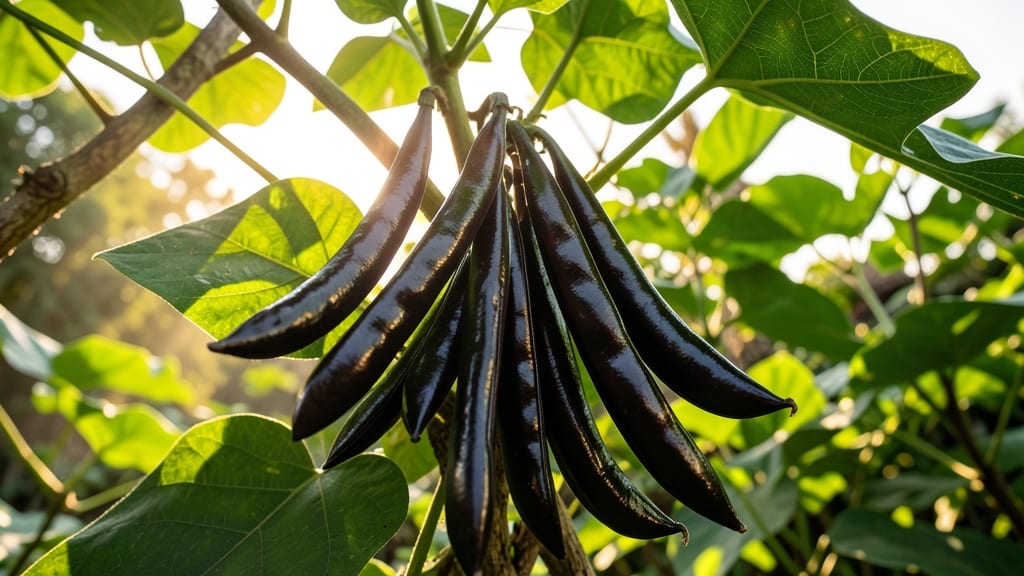
If you live in a tropical or subtropical climate where summer heat lingers, black turtle beans are your secret weapon for a thriving bean harvest. Unlike many varieties that struggle in humidity, these beans not only tolerate but thrive in 90°F+ temperatures, making them a favorite among Southern gardeners and organic farms.
What sets them apart is their exceptional fungal disease resistance, reducing the need for chemical treatments in organic systems. They mature in 80-90 days, producing glossy, dark beans with a rich, earthy flavor that elevates soups, stews, and rice dishes. For best results, plant them in well-draining soil with 6-8 hours of sun and provide consistent moisture—especially during flowering—to maximize yields of up to 2-3 pounds per plant.
This variety is perfect for gardeners who want low-maintenance, high-reward crops that align with traditional Southern and Latin American cuisine. Their adaptability and flavor make them a must-try for anyone growing beans in warm climates. 🌟
Pinto Beans for Cold Mountain Regions
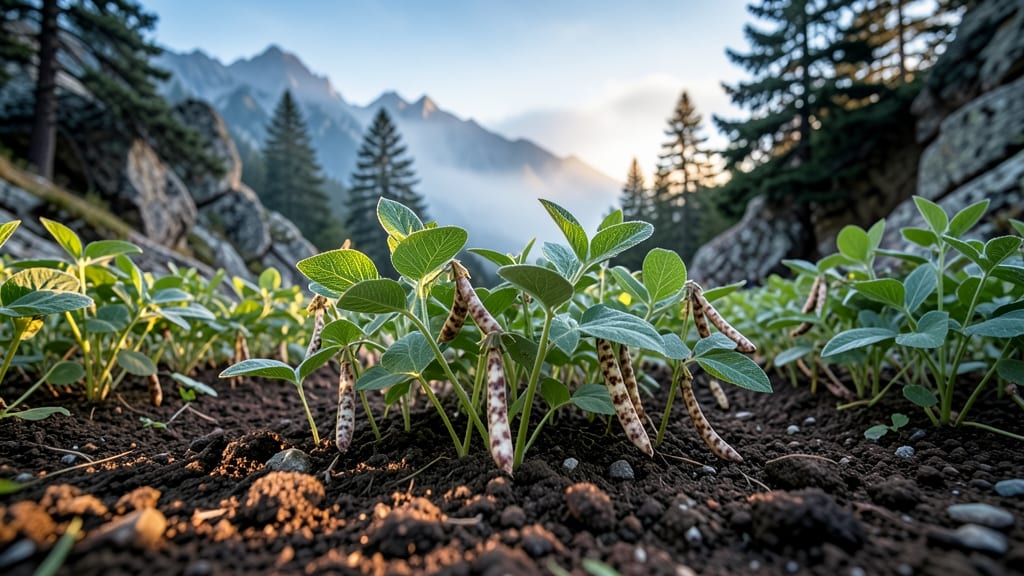
If you live in a cold mountain region with short growing seasons, pinto beans are your secret weapon. This heirloom variety thrives where other beans struggle, maturing quickly in cool temperatures while delivering that classic speckled appearance you love in dishes.
Plant seeds directly in well-drained soil after the last frost, spacing them 2-3 inches apart in rows 18-24 inches apart. Pinto beans fix nitrogen in the soil, meaning they improve fertility for future crops—no extra amendments needed. They handle light frosts and even produce in 50-60 days, making them perfect for short seasons. Just watch for bean beetles and provide consistent moisture.
Mountain gardeners will appreciate how these beans boost soil health while delivering reliable yields. They’re also a pantry staple, drying beautifully for winter use. 🌱
Kidney Beans for Desert Gardens
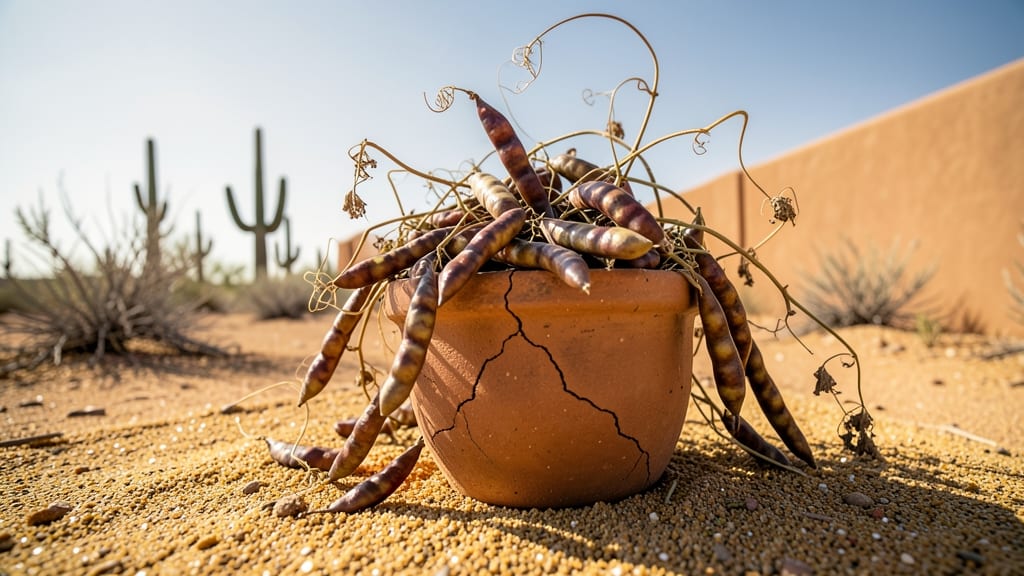
If you live in the Southwest and struggle to grow beans that survive the heat, kidney beans are your secret weapon. These drought-tolerant powerhouses thrive in 100°F+ temperatures and sandy, well-draining soils—making them ideal for desert gardens where water is scarce.
Plant seeds after the last frost when soil reaches 70°F, spacing them 4-6 inches apart in rows 18-24 inches apart. They mature in 80-90 days, producing red, kidney-shaped beans perfect for chili, salads, and Mexican dishes. Unlike other beans, they rarely bolt in heat, ensuring a consistent harvest even during dry spells.
This variety is especially rewarding for gardeners who want low-maintenance, high-reward crops. Plus, their deep roots improve soil structure over time, making them a smart choice for arid landscapes. 🌻
Navy Beans for Container Gardening
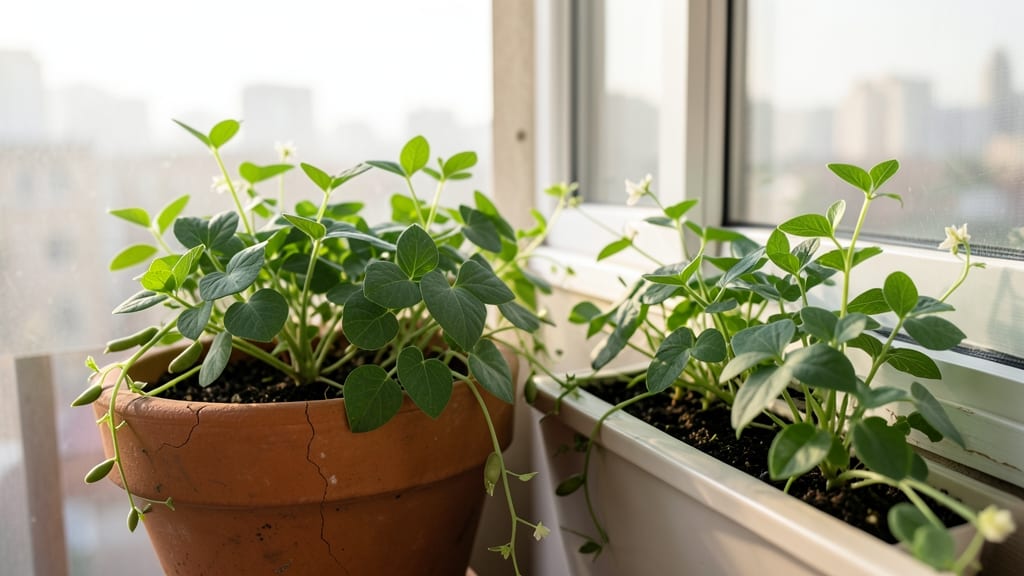
If you're working with limited space but still want a bountiful bean harvest, navy beans are your perfect match. Their compact, bushy growth stays under 2 feet tall, making them ideal for containers, balconies, and even window boxes in urban settings.
These small but mighty beans thrive in well-draining soil with 5-6 hours of sunlight daily, and their quick 60-70 day maturity means you'll get a harvest before summer fades. The flavorful beans are perfect for holiday dishes like baked beans or hearty stews, and their uniform size makes them easy to dry and store.
Urban gardeners and small-space growers will love how navy beans deliver big results in tiny footprints, with minimal maintenance compared to pole varieties. 💚
Great Northern Beans for Short Seasons
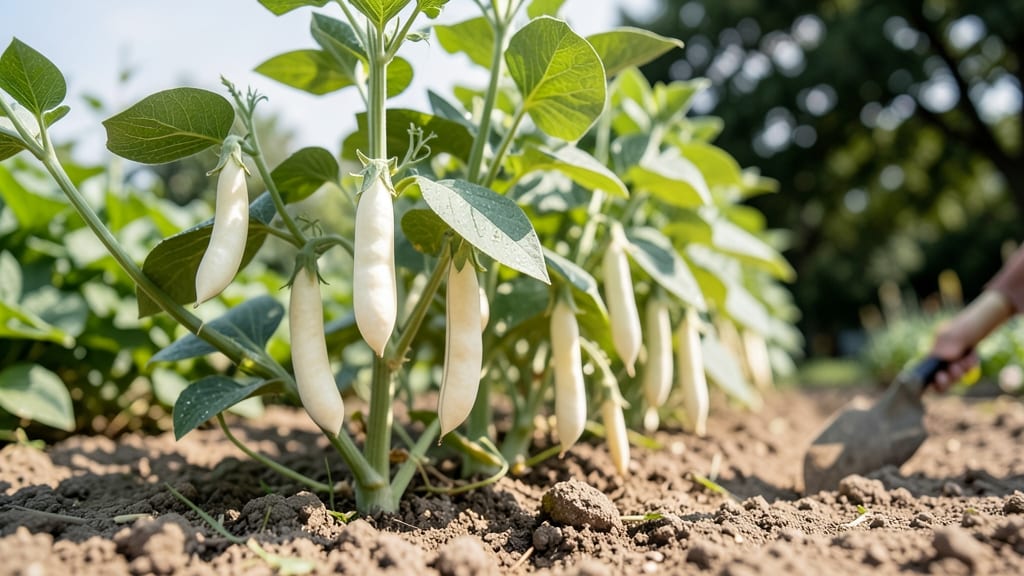
If you're racing against a short growing season, Great Northern beans are your secret weapon. These creamy white beans mature in just 60-70 days, making them perfect for cool climates where summers are brief but crisp.
Plant them in well-draining soil with full sun to partial shade, and watch them thrive even in temperatures that would stress other varieties. Their mild, buttery flavor shines in white bean salads, creamy soups, and purees—ideal for gardeners who love versatility without sacrificing speed.
Perfect for beginners or gardeners in USDA Zones 3-9, these beans deliver high yields with minimal fuss. Just remember to harvest before pods turn brown for the best texture! 🌱
Anasazi Beans for Traditional Gardens
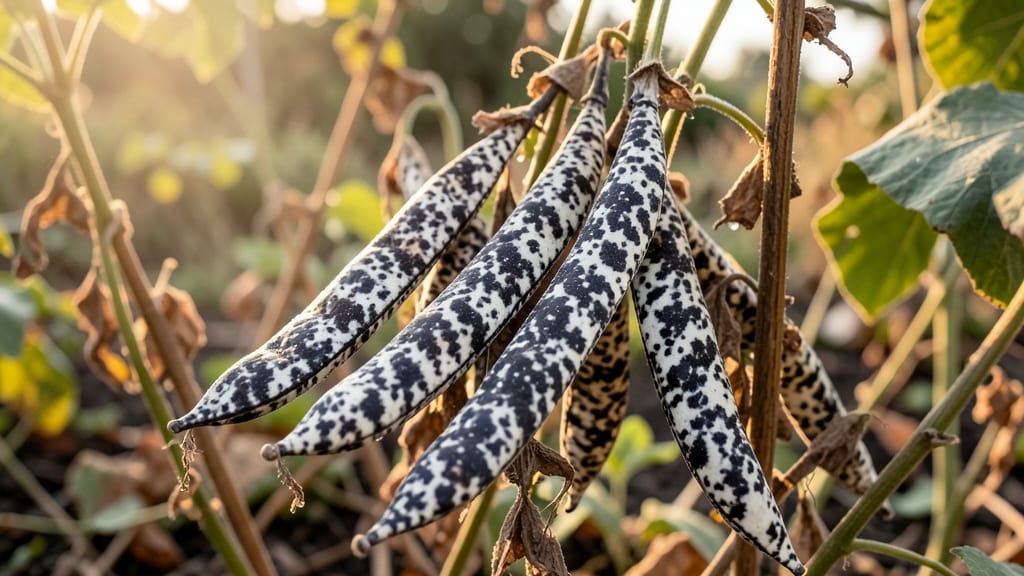
Step back in time with Anasazi beans, an ancient heirloom variety that brings history to your garden. These striking beans boast bold black-and-white speckled patterns, making them a standout for both visual appeal and cultural significance in traditional gardens.
Perfect for gardeners who love heirloom varieties, Anasazi beans thrive in warm climates with 6-8 hours of sun daily and well-draining soil. They produce high yields of medium-sized beans with a creamy texture, ideal for soups, stews, or historical cooking demonstrations. Their unique appearance also makes them a favorite for historical reenactments or seed-saving projects.
If you're passionate about preserving heritage crops or adding a touch of history to your garden, these beans are a must-try. They’re especially rewarding for those who appreciate the connection between food, culture, and tradition. 🌱
Cranberry Beans for Salad Lovers
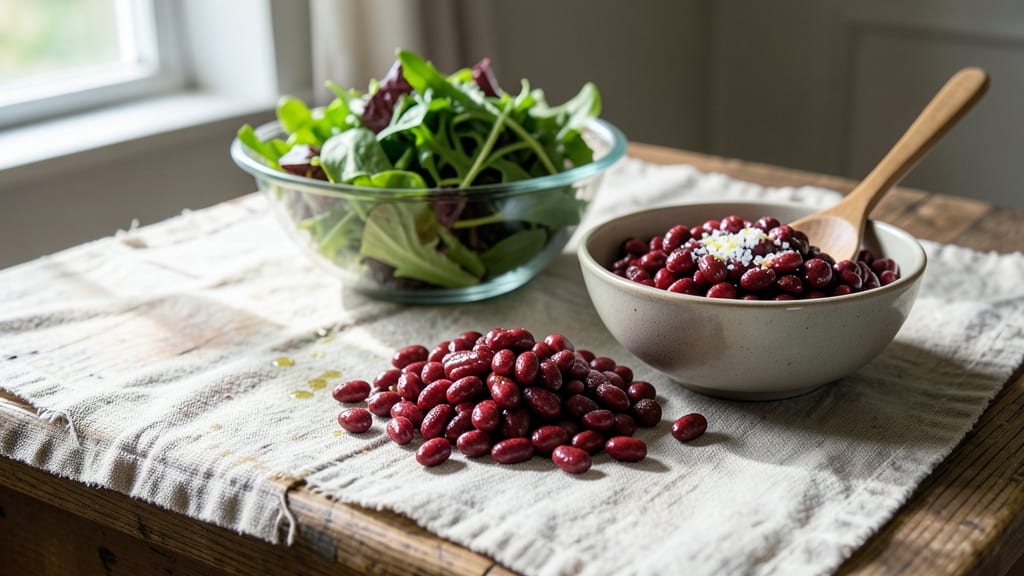
If you love fresh, vibrant salads that pop with color, cranberry beans are your new best friend. These heirloom beans stay a stunning red-speckled hue even when cooked, making them perfect for garnishes, pasta salads, and raw eating.
They thrive in both warm and temperate climates, maturing in about 80-90 days with minimal fuss. Plant them in full sun to partial shade and keep the soil consistently moist but well-draining. The beans are also disease-resistant, making them a low-maintenance choice for gardeners who want beauty and flavor without the hassle.
Perfect for urban gardeners, small-space growers, or anyone who wants to add a splash of color to their meals, cranberry beans are a must-try for salad enthusiasts. 🌻
Jacob's Cattle Beans for Large Families
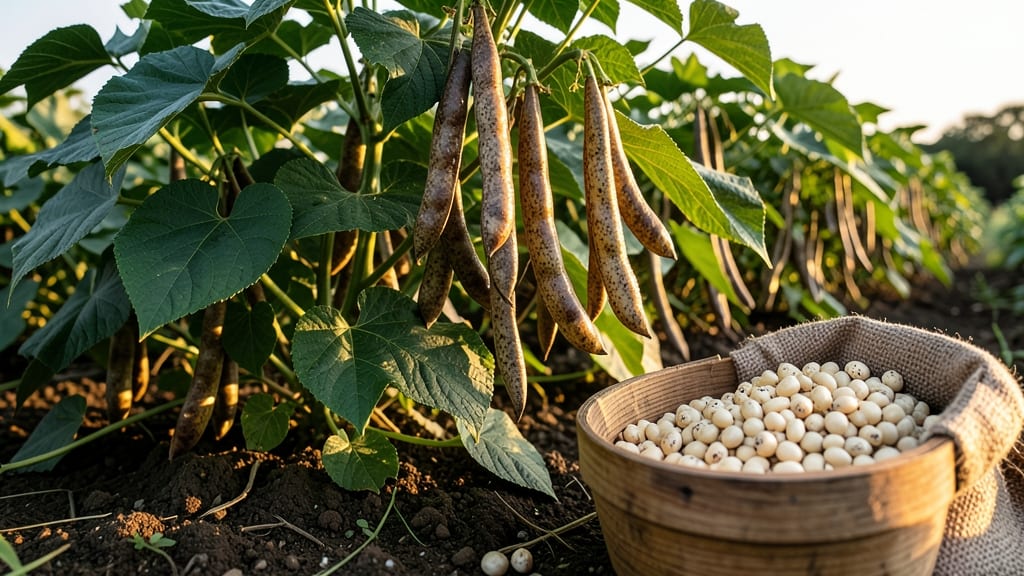
If you're feeding a crowd or stocking your pantry for the winter, Jacob's Cattle Beans should be your go-to variety. These beans aren't just productive—they're powerhouses, producing up to 3-4 pounds of beans per plant in ideal conditions, making them a lifesaver for homesteaders and large families.
Perfect for warm to hot climates, Jacob's Cattle Beans thrive with 6-8 hours of sun daily and well-drained soil. Their creamy texture makes them ideal for refried beans, Mexican dishes, or even soups. Plant seeds 1-2 inches deep, 3-4 inches apart, and watch them flourish in just 90-100 days.
This variety is a game-changer for those who need reliable, high-yield crops without the fuss of pole beans. Whether you're preserving food for the year or simply feeding a hungry household, these beans deliver. 💪
Black-Eyed Peas for Southern Cuisine
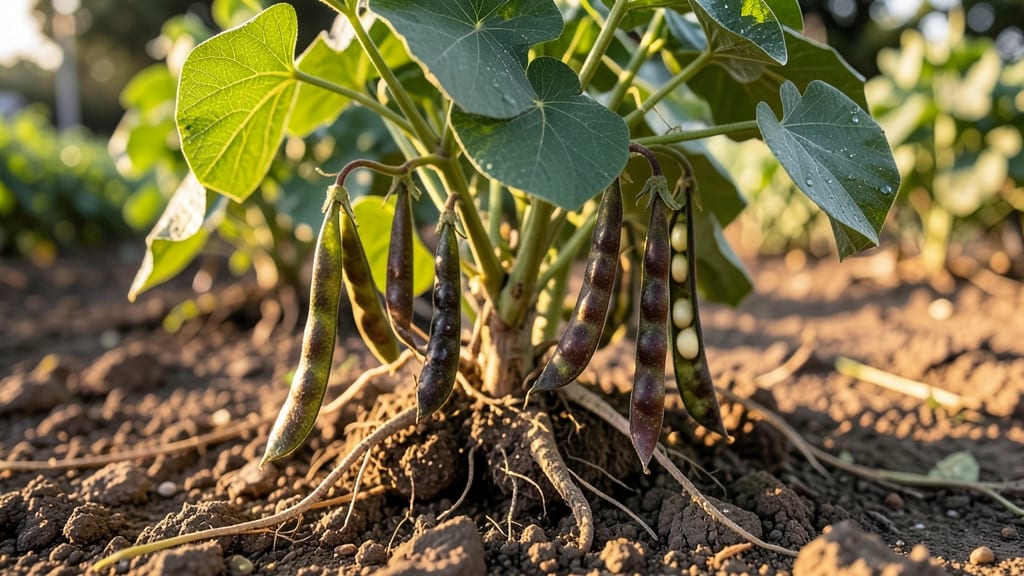
If you love the rich, earthy flavor of Hoppin' John or hearty Southern stews, black-eyed peas are your garden's secret weapon. This heat-loving variety thrives in the Deep South's sweltering summers, producing tender pods packed with tiny, creamy beans that disappear into dishes while adding depth of flavor.
Plant them in well-drained soil after the last frost when soil temperatures reach 60°F, spacing seeds 3-4 inches apart in rows 18-24 inches apart. They mature in 60-90 days, and their drought tolerance makes them perfect for regions with inconsistent rainfall. The beans' unique nutty, slightly sweet taste makes them a staple in traditional dishes like collard greens, black-eyed pea soup, and even fried rice.
For gardeners who want to honor Southern culinary traditions, black-eyed peas are a must-have. Their versatility extends beyond the kitchen—they also fix nitrogen in the soil, improving conditions for future crops. 🌟
Mung Beans for Asian Gardens

If you're craving a garden that delivers both speed and flavor, mung beans are your secret weapon. These tiny powerhouses grow in just 60-70 days, making them perfect for quick harvests and urban gardeners with limited space—while thriving in full sun and heat that would challenge other varieties.
Sow seeds directly in warm soil after the last frost, spacing them 2 inches apart in rows 18 inches apart. They’re dual-purpose: harvest young pods for fresh eating, or let them mature for dry beans. For extra versatility, try sprouting them indoors—just soak seeds overnight and grow in a jar for crisp, nutrient-rich sprouts in days. Their mild, slightly sweet flavor shines in stir-fries, soups, and Asian-inspired dishes.
This adaptable bean is ideal for gardeners who love fast results and cultural diversity. Whether you're growing for home cooking or selling at farmers' markets, mung beans deliver year-round potential with minimal fuss. 🌱