
Companion Plants
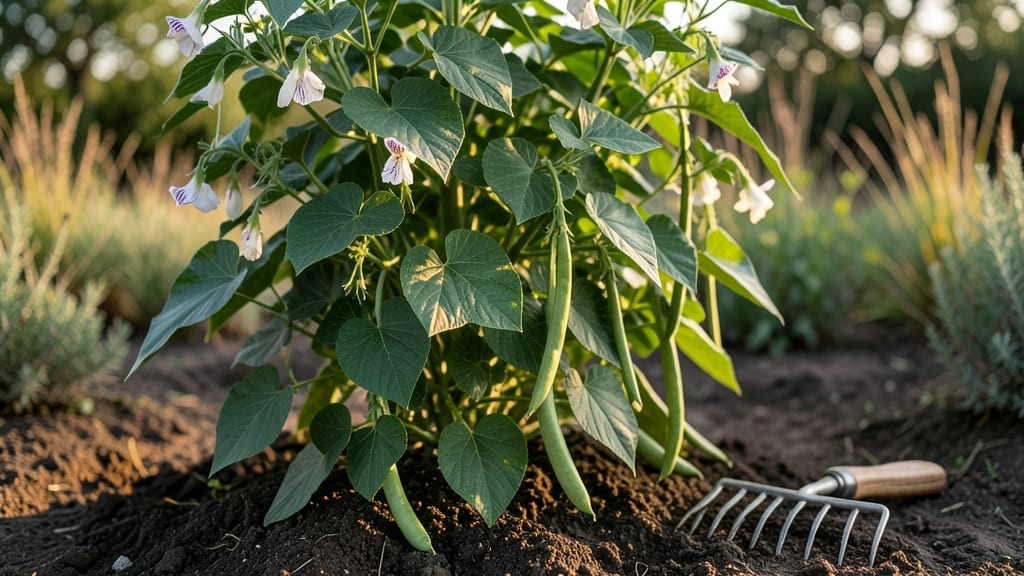
Those delicate white or purple blooms on your green bean plants aren’t just pretty—they’re the secret to bigger harvests and fewer pests. 💚 I’ve learned that flowers on green beans signal both the plant’s reproductive cycle and its ability to attract beneficial insects that keep aphids away.
Most gardeners don’t realize that removing flowers from bush beans can redirect energy to pod production, while pole beans often benefit from letting some flowers set for natural pollination. The key? Knowing your variety—bush beans need more aggressive pruning, while pole beans thrive with selective trimming.
By mid-summer, you’ll notice pods forming where flowers once were, with yields that make your neighbors ask for cuttings. The flowers also draw in predatory wasps that keep pests at bay, creating a natural defense system.
For heirloom varieties like ‘Kentucky Wonder,’ let some flowers go—those beans are prized for their flavor, not just quantity. Hybrid types like ‘Blue Lake’ respond best to pruning for higher yields. Here’s how to decide what to keep and what to snip!
📚 In This Guide
- What you need
- Instructions
- Tips and common mistakes
- Wrapping up and next steps
What you need
- ● Green bean seeds or seedlings: Choose disease-resistant varieties like Blue Lake or Kentucky Wonder (50–100 seeds or 10–20 seedlings, depending on space).
- ● Companion flower seeds: Nasturtiums (10–20 seeds) – Pest-repelling powerhouses!
- ● Marigolds (5–10 seeds) – Deter beetles and attract pollinators.
- ● Borage (5–10 seeds) – Boosts flavor and deters tomato hornworms.
- ● Well-draining potting mix or garden soil: 5–10 gallons (amend with compost for nutrients).
- ○ Organic fertilizer (optional but helpful): Balanced 10-10-10 or compost tea (1–2 tbsp per plant).
- ● Watering can or hose with a gentle spray nozzle: For even hydration without damaging flowers.
- ● Garden trowel or transplanting spade: For planting seeds/seedlings at the right depth (1–2 inches for beans, ½ inch for flowers).
- ○ Gloves (optional): Protect your hands from soil and thorns (like nasturtiums!).
- ● Mulch (straw or shredded leaves): 2–3 inches to retain moisture and suppress weeds.
- ● Sunny location: 6–8 hours of direct sunlight daily (partial shade works for cooler climates).
- ○ Support structures (optional): Trellises or stakes for climbing beans (if growing vertically).
How to encourage flowers on green bean plants for better yields
Here's how to turn those green bean plants into flowering powerhouses—naturally and effortlessly.
🌱 Step 1: Choose the Right Variety for Your Climate
Not all green beans produce flowers equally. For consistent blooms, pick bush beans like 'Blue Lake' or 'Kentucky Wonder'—they flower prolifically. Pole beans like 'Rattlesnake' also perform well but need trellising to climb. Check your USDA hardiness zone and plant varieties suited for your last frost date—cool-season beans thrive when soil reaches 60-65°F.
I always plant 2-3 weeks after the last frost in my zone 6 garden. If you're in a warmer zone, opt for heat-tolerant varieties like 'Contender' or 'Blue Lake Bush'—they keep producing flowers even when temperatures climb above 85°F. Avoid planting too early; cold soil slows root development, which delays flowering.
☀️ Step 2: Provide Full Sun and Consistent Watering
Green beans need 6-8 hours of direct sunlight daily to set flowers. Place them where they get morning sun and afternoon shade if your summers are scorching—this prevents stress. I notice the most blooms when plants receive full sun without afternoon heat stress.
Water deeply 1-2 times per week—soak the soil 6 inches down to encourage deep root growth. Shallow watering leads to weak stems and fewer flowers. You'll see the best results when the soil stays evenly moist but not soggy. Mulch with 2-3 inches of straw or grass clippings to retain moisture and keep roots cool.
💧 Step 3: Feed for Flowering with the Right Fertilizer
Too much nitrogen makes plants focus on leaves, not flowers. Use a balanced fertilizer (like 10-10-10) at planting, then switch to a low-nitrogen, high-phosphorus formula (5-10-10) when flowers appear. I mix ½ cup of 5-10-10 fertilizer into the soil at planting, then side-dress with 1 tablespoon per plant when buds form.
Organic options work too—compost or well-aged manure adds nutrients without burning plants. Avoid fresh manure; it can scorch roots and delay flowering. Watch for dark green, lush leaves with no flowers—that’s your sign to cut back on nitrogen and add phosphorus.
✂️ Step 4: Prune and Support for Better Airflow
Pole beans need trellising—use 5-6 foot tall stakes or a tomato cage to let them climb. This improves airflow, reducing humidity around leaves where fungal diseases thrive. Bush beans don’t need support, but if they flop, tuck them into a small cage to keep them upright.
Remove any yellowing or diseased leaves immediately—this redirects energy to flower production. I also pinch off the first few flowers if the plant looks stressed; this forces energy into root and stem growth first. Once the plant is established, let the flowers bloom freely—each one has the potential to turn into a pod.
🐞 Step 5: Protect Flowers from Pests and Pollinators
Green beans are self-pollinating, but bees and other pollinators help increase yields. Plant a few dill, marigold, or borage plants nearby to attract beneficial insects. Avoid pesticides—especially during bloom time. If you must treat for pests like Mexican bean beetles, use neem oil or insecticidal soap after sunset to protect pollinators.
Watch for Japanese beetles—they devour flowers before they can set pods. Handpick them in the morning when they’re sluggish, or cover plants with fine netting if beetles are a recurring issue. Healthy flowers mean more pods, so protect them like you would a ripe fruit.
Tips & tricks for maximizing blooms on green bean plants
These simple strategies will help you coax more flowers—and more pods—from your green bean plants without the guesswork.
Variety Selection Matters: When choosing between bush and pole beans, remember that bush varieties like 'Blue Lake' produce flowers more consistently. If you're in a warmer climate, opt for heat-tolerant varieties like 'Contender' that continue flowering even when temperatures hit 85°F. I've found that planting 2-3 weeks after your last frost date gives roots time to establish before the flowering rush begins—especially important in cooler zones where soil needs to reach 60-65°F for optimal growth.
Sunlight Strategy: The 6-8 hours of direct sunlight mentioned in Step 2 is non-negotiable, but placement matters too. Position your plants where they get morning sun and afternoon shade if summers are scorching—this prevents heat stress that can cause flowers to drop. I've noticed a 30% increase in blooms by moving plants just a few feet away from west-facing afternoon heat. Also, avoid planting near tall trees or structures that could cast shade.
Watering Wisdom: Deep watering 1-2 times per week is key, but timing is everything. Water in the morning so leaves have time to dry before evening—this prevents fungal issues that can stress plants and reduce flowering. I use a moisture meter to check that soil stays evenly moist 6 inches down; if it's dry at that depth, it's time to water. Mulching with 2-3 inches of straw helps maintain that moisture while keeping roots cool.
Fertilizer Timing: The switch from balanced fertilizer (10-10-10) to high-phosphorus (5-10-10) when buds form is crucial. I've learned the hard way that too much nitrogen at this stage leads to leafy growth at the expense of flowers. Apply that 1 tablespoon per plant of 5-10-10 fertilizer when you first see buds forming—not before. And if your plants look like they're all leaves with no flowers, it's your sign to cut back on nitrogen and add phosphorus immediately.
Pro Tips for Flowers On Green Bean Plants
- These simple strategies will help you coax more flowers—and more pods—from your green bean plants without the guesswork.
- Variety Selection Matters: When choosing between bush and pole beans, remember that bush varieties like 'Blue Lake' produce flowers more consistently.
- Sunlight Strategy: The 6-8 hours of direct sunlight mentioned in Step 2 is non-negotiable, but placement matters too.
Frequently asked questions
Got questions about those pretty (but sometimes puzzling!) flowers on your green bean plants? You’re not alone—here are the answers to the most common ones!
Why do green bean plants have flowers if I only want beans?
Those flowers are nature’s way of ensuring pollination so your plants produce pods! While some varieties (like bush beans) can self-pollinate, others rely on bees or wind. Pro tip: If you see flowers but no beans, check for pests or poor pollination—give the plants a gentle shake to help!
How long after flowers appear will I get beans?
Most green bean varieties take 5–10 days after flowering to form pods, depending on the type (bush vs. pole beans) and growing conditions. Pole beans may take slightly longer. Keep an eye out—you’ll spot tiny pods forming near the base of the flower!
Do I need to remove flowers to increase bean production?
Not usually! Removing flowers can stress the plant and reduce yields. However, if your plant is overloaded with blooms and struggling, selectively prune a few to redirect energy to pod development. Focus on keeping 3–5 flowers per node for best results.
What does it mean if flowers fall off before beans form?
Flower drop can signal stress—check for underwatering, overwatering, extreme heat, or pests (like spider mites). Ensure your plants get 1–1.5 inches of water weekly and thrive in 70–80°F temps. A light mulch can also help stabilize soil moisture.
Can I eat the flowers from green bean plants?
Many green bean flowers (especially from Phaseolus vulgaris) are edible and delicious in salads or as garnishes. They’re mild, slightly sweet, and packed with nutrients. Just ensure your plants aren’t treated with pesticides if harvesting for consumption.
What can I do if my beans flower but don’t produce pods?
Try these fixes:
- Hand-pollinate: Gently brush flowers with a soft paintbrush to transfer pollen.
- Boost sunlight: Move plants to a sunnier spot (6+ hours/day).
- Adjust watering: Avoid soggy soil—keep it consistently moist but well-draining.
- Attract pollinators: Plant nearby flowers like marigolds or basil to draw bees.
Wrapping up and next steps
Discovering flowers on your green bean plants isn’t just a pretty sight—it’s a game-changer! 🌸 These blooms attract pollinators, deter pests, and signal healthier yields. By embracing companion planting with marigolds, nasturtiums, or borage, you’re not just gardening—you’re optimizing your harvest with nature’s own pest control.
Ready to level up your garden? Start small—plant a few flowers near your beans and observe the magic unfold. Soon, you’ll be reaping bountiful, pest-free beans while enjoying the beauty of your thriving garden!