
Diseases
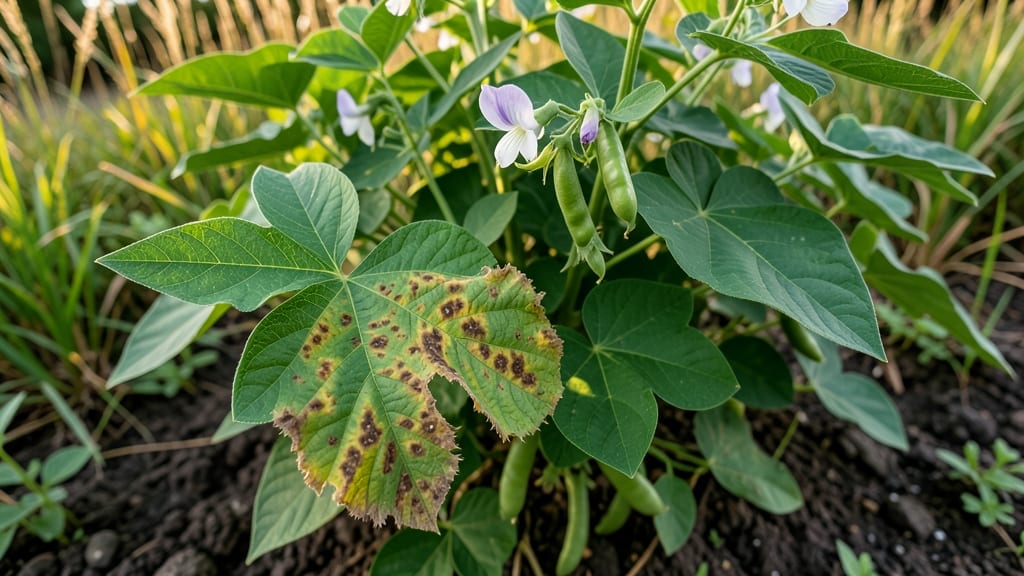
Identifying these fungus green bean diseases pictures early—like anthracnose’s black sludge or rust’s orange streaks—can save your harvest before mildew turns pods chalky white. 🌱 I’ve seen... one a silent warning if you don’t act fast.
This guide shows you how to identify these diseases early, using clear descriptions and prevention tips that actually work.
The moment you notice yellowing leaves or strange spots, you’re already behind. Fungal spores spread fast in warm, humid conditions, and green beans—especially bush varieties—are prime targets. The key is stopping the cycle: remove infected plants immediately, space your beans for airflow, and water at the base (never overhead).
I’ve saved entire crops by catching these issues within 3-5 days of first symptoms.
You’ll learn to tell fungus apart from nutrient deficiencies (like magnesium spots) and pest damage. A simple spray of neem oil or baking soda mix can stop mildew in its tracks, while copper fungicides tackle anthracnose.
The goal isn’t just to treat—it’s to build a garden where these diseases struggle to take hold in the first place.
Whether you’re growing bush beans in containers or pole beans along a trellis, these strategies work. The difference between a thriving harvest and a failed one often comes down to what you notice—and when. Let’s get your beans back to healthy and productive.
Root Causes of Fungus in Green Beans
Fungal diseases don’t just appear out of nowhere—they thrive when specific conditions align like a perfect storm. Understanding the why behind these infections helps you take action before they spread. Let’s break down the key factors that turn your green bean plants into a fungal buffet.
Fungi love damp, stagnant environments—think of them as the mushrooms of the plant world. When green bean plants grow too close together, humidity lingers between leaves and stems, creating a cozy, moist microclimate. Poor airflow also prevents water from evaporating quickly, leaving surfaces damp for longer.
- Why it matters: Many fungal pathogens, like Botrytis cinerea (gray mold) or Colletotrichum (anthracnose), need free moisture to germinate and infect. Overcrowding traps humidity, giving fungi the upper hand. - Actionable fix: Space plants 12–18 inches apart in rows and 24–36 inches between rows to improve airflow.
Prune lower leaves to reduce shading and humidity buildup near the soil.
Green beans need consistent moisture, but standing water is a fungal magnet. Whether from overwatering, heavy rainfall, or compacted, poorly draining soil, excess water creates the perfect breeding ground for pathogens like Phytophthora (root rot) or Pythium.
- Why it matters: Fungal spores swim in water to reach plant tissues.
Wet foliage (especially at night) also weakens plant defenses, making them easier targets. - Actionable fix: - Water early in the day (before 10 AM) to allow foliage to dry. - Use drip irrigation or soaker hoses to avoid wetting leaves. - Amend soil with compost or perlite to improve drainage. - Avoid watering from above—aim for the base of the plant.
Fungi are temperature-sensitive and often strike when conditions are just right—usually warm (60–85°F) and humid (70%+ relative humidity). Green beans grown in greenhouses, shaded areas, or humid climates are especially vulnerable.
- Why it matters: Many fungal diseases (e.g., Rhizoctonia or Sclerotinia) spore most aggressively in these conditions.
Even a few days of high humidity can trigger outbreaks. - Actionable fix: - Monitor weather forecasts and adjust care during humid spells (e.g., reduce watering). - Use row covers to shield plants from heavy dew or rain. - Plant in sunny, well-ventilated spots with at least 6–8 hours of direct sunlight.
Fungal spores persist in soil for years, waiting for the right moment to strike. If previous crops (especially beans, tomatoes, or peppers) had fungal issues, the spores may still lurk in the soil. Even reused tools, gloves, or containers can spread infections.
- Why it matters: Pathogens like Fusarium or Verticillium survive in organic matter, infecting new plants through root contact or wound sites.
- Actionable fix:
- Rotate crops—avoid planting beans in the same spot for 3–4 years.
- Solarize soil (cover with clear plastic for 4–6 weeks in hot sun) to kill spores.
- Disinfect tools with a 10% bleach solution (1 part bleach to 9 parts water) between uses.
- Use sterilized potting mix if growing in containers.
Stressed or nutrient-deficient green beans are easier targets for fungi. Factors like nutrient imbalances, pests (e.g., aphids), or physical damage (e.g., hail, rough handling) create entry points for infections.
- Why it matters: Healthy plants have thick cuticles and strong immune responses that repel fungi.
Stress weakens these defenses, making plants more susceptible to secondary infections. - Actionable fix: - Fertilize properly—use a balanced 10-10-10 or 5-10-10 fertilizer and avoid overdoing nitrogen (which promotes leafy growth but weakens stems). - Control pests (e.g., aphids, beetles) with neem oil or insecticidal soap to prevent damage. - Harvest regularly to reduce plant stress and improve airflow.
Fungal spores are lightweight and travel easily via wind, water, or even garden tools. If nearby plants (or last year’s garden) had fungal diseases, spores can hitchhike to your green beans.
- Why it matters: Diseases like downy mildew or powdery mildew spread rapidly when spores land on susceptible plants.
- Actionable fix:
- Remove and destroy infected plants (don’t compost them—spores can survive).
- Isolate new plants from old garden beds until you confirm they’re disease-free.
- Avoid overhead watering near infected areas to limit spore dispersal.
How to Treat and Prevent Fungus
Fungal diseases can turn your thriving green bean plants into a sad, wilted mess—but don’t panic! With the right steps, you can stop the spread, save your crop, and keep future harvests healthy.
Below, we break down practical fixes for common fungal issues, organized by cause, plus prevention tips to keep your garden fungus-free.
🔍 Cause: Dark, sunken lesions on leaves and pods (often from wet, humid conditions). 🛠️ Fix:
- 🔥 Prune infected plants immediately – Cut off and dispose of (don’t compost!) severely diseased leaves or pods. Use sterilized scissors (wipe with rubbing alcohol) to avoid spreading spores.
- 🌱 Space plants properly – Thin out crowded beans for better airflow (aim for 3–4 inches between plants).
- 💦 Water at the base – Avoid overhead watering (especially in the evening). Use a drip irrigation system or water early in the day so foliage dries quickly.
- 🧴 Apply fungicide – Spray with a copper-based fungicide (like Bordeaux mixture) or neem oil every 7–10 days during wet spells.
💡 Prevention Tip: Rotate crops—don’t plant beans in the same spot next year. Fungi linger in soil!
🔍 Cause: White, powdery coating on leaves (thrives in shady, humid conditions). 🛠️ Fix:
- 🧼 Clean leaves gently – Use a soft cloth or hose to remove mildew. Avoid harsh scrubbing to prevent damage.
- 🌿 Improve airflow – Prune nearby plants or remove weeds blocking sunlight. Consider trellising beans to elevate them.
- 🍯 Baking soda spray – Mix 1 tsp baking soda + 1 tsp oil + 1 tsp mild soap in 1 gallon of water. Spray every 7–10 days (works as a preventative too!).
- 🌞 Increase sunlight – If possible, move plants to a sunnier spot (powdery mildew hates UV rays).
💡 Prevention Tip: Resistant varieties like ‘Blue Lake’ or ‘Contender’ handle mildew better. Plant them if you’re in a humid climate!
🔍 Cause: Orange-brown pustules on undersides of leaves (spreads via wind and water). 🛠️ Fix:
- 🔥 Destroy infected plants – Burn or bag severely rusted leaves (do not compost). Remove fallen leaves from the soil.
- 🧼 Sterilize tools – Clean pruners with bleach (1 part bleach:9 parts water) between cuts.
- 🌱 Crop rotation – Wait 2–3 years before replanting beans in the same spot.
- 🍄 Fungicidal spray – Use sulfur-based fungicide (like Liqui-Cop) every 10–14 days until new growth appears.
💡 Prevention Tip: Mulch with straw to reduce soil splashing onto leaves—rust spores hitch rides on water droplets!
No matter the fungus, these proactive steps will dramatically reduce your risk: 1. 🌱 Start with healthy seeds – Buy from reputable suppliers or soak seeds in a 10% hydrogen peroxide solution for 10 mins to kill surface fungi.
- 🌍 Test your soil – Fungi thrive in acidic or nutrient-poor soil. Aim for a pH of 6.0–7.0 and add compost before planting.
- 💦 Water wisely – Morning watering only (never at night). Use drip lines or soaker hoses to keep leaves dry.
- 🍃 Monitor humidity – If your garden stays above 75% humidity, use a fan or row covers to improve airflow.
- 🔄 Rotate crops – Never plant beans (or other legumes) in the same spot two years in a row.
If more than 50% of your plants are severely infected (e.g., root rot, wilting, or blackened stems), it may be best to:
- 🔥 Remove and destroy the entire plant (including roots).
- 🌱 Wait 3–4 weeks before replanting (allows spores to die off).
- 🧼 Sterilize the soil – Mix 1 cup of copper sulfate per 10 sq ft into the top 6 inches of soil (follow product instructions).
🌱 Final Thought: Fungal diseases are manageable—not hopeless! With early action, smart spacing, and a few simple sprays, you’ll keep your green beans lush, productive, and fungus-free. 🚀
(Need a visual? Check out our [Fungus Green Bean Diseases Pictures Guide] for side-by-side comparisons of healthy vs. infected plants!)
Frequently asked questions
How can I tell if my green beans have fungus just by looking?
Check for these key visual clues: dark spots (like anthracnose), orange pustules (rust), or white powder (mildew). Healthy leaves should be smooth and green—any discoloration or texture changes means trouble. Compare your plants to the visual guide in our pictures section to confirm.
Can I still eat green beans if they have fungus?
Only if the infection is very mild and limited to leaves. Never eat pods with blackened lesions, powdery coatings, or moldy growth—these can be toxic. When in doubt, remove the entire plant and compost it (away from edible crops) to prevent spread.
What’s the fastest way to stop fungus from spreading?
Remove infected plants immediately and sterilize your tools with 10% bleach solution. Then apply a copper fungicide or neem oil spray to healthy plants. Space remaining beans 12 inches apart and avoid overhead watering for 7 days to break the cycle.
Will fungicides harm my green beans if used correctly?
No, when used as directed. Organic options like neem oil or baking soda spray are safe for edible plants. Always follow label instructions—especially for copper-based products—and avoid spraying during peak sunlight to prevent leaf burn.
Can I reuse soil from infected green beans next year?
Not without treatment. Fungal spores survive in soil for years! Solarize the bed (cover with clear plastic for 4-6 weeks) or mix in compost and copper sulfate before replanting. Rotate to a different garden area if possible.