
Diseases
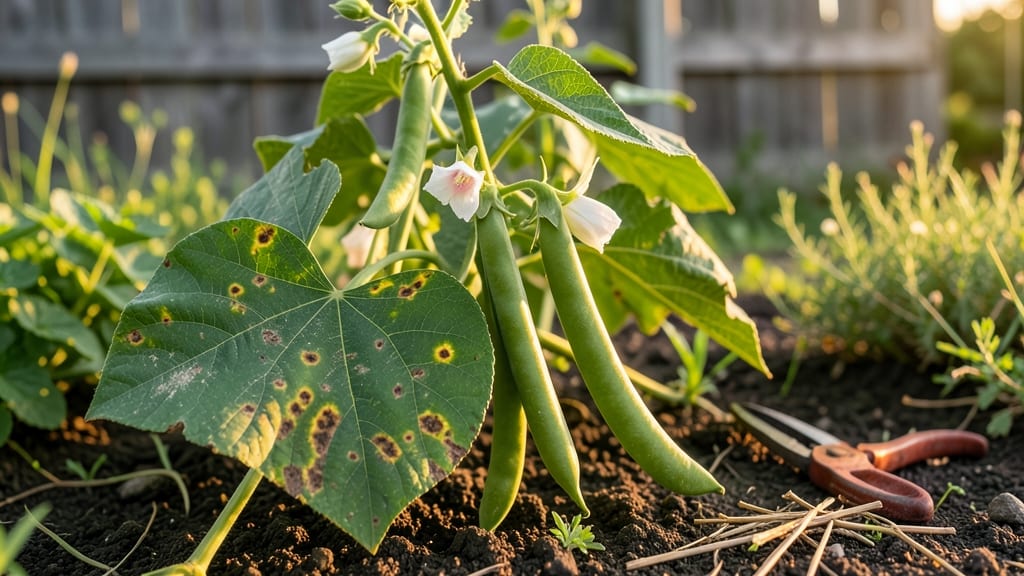
These green bean diseases images reveal the telltale signs—so you can spot and stop 12 fungal foes before they wreck your harvest. 🌱 These visual guides help you match symptoms to solutions fast, so you can save your plants without losing your patience.
The key to beating these diseases is acting early. Most start with tiny specks on leaves that spread if you ignore them. I’ll walk you through what each disease looks like—from powdery white coatings to black, mushy stems—and how to treat them with simple, effective methods. No mystery, just results.
By the end, you’ll recognize problems before they get out of hand and know exactly what to spray or prune. Your beans will stay healthy, productive, and free from the frustrating crunch of a ruined crop. Let’s get those plants thriving again.
This works for both bush and pole beans, whether you’re growing in the ground or containers. The same principles apply—just adjust your approach based on your setup. Ready to diagnose like a pro?
Root Causes Behind Bean Blight
Green beans, like all plants, are vulnerable to diseases—but understanding why these fungal infections take hold is the first step to prevention. The culprits often boil down to a mix of environmental stress, poor growing conditions, and microbial opportunism.
Below, we break down the key factors that turn your lush green bean plants into a fungal buffet.
Fungi thrive in damp, stagnant environments where moisture lingers and air can’t circulate. When green beans grow too close together—whether in a home garden or a commercial field—they create a microclimate that’s perfect for spores to land, multiply, and infect leaves and stems.
- Why it happens: Dense foliage traps humidity, slowing evaporation. Fungal spores (like those causing anthracnose or downy mildew) splash from soil or infected plants onto healthy ones via water droplets.
- Science behind it: Fungi release enzymes that break down plant cell walls. In crowded conditions, these enzymes spread faster because the environment stays consistently moist (ideal for spore germination).
- Actionable fix:
- Space plants 4–6 inches apart in rows 18–24 inches apart for airflow.
- Use drip irrigation instead of overhead watering to avoid wetting leaves.
- Prune lower leaves to improve light penetration and reduce humidity at soil level.
Green beans need water—but too much, especially on leaves, creates a fungal paradise. Many diseases (like rust or white mold) rely on prolonged leaf wetness to infect plants.
- Why it happens: Water droplets on leaves create a film that traps spores and nutrients. Fungal hyphae (thread-like structures) grow toward the plant’s surface, penetrating through natural openings like stomata.
- Science behind it: Spores of pathogens like Botrytis cinerea (gray mold) germinate within 4–6 hours of moisture exposure. If humidity stays above 75% for 24+ hours, infection rates skyrocket.
- Actionable fix:
- Water early in the day (before 10 AM) so leaves dry by evening.
- Avoid late evening watering—nighttime moisture = fungal free-for-all.
- Use mulch (straw or wood chips) to reduce soil splashing onto leaves.
Fungi are temperature-sensitive. Most green bean diseases peak when nights are cool (50–65°F) and days are warm (75–85°F), combined with high humidity—a recipe for disaster.
| Disease | Ideal Fungal Conditions | Why It Works for the Fungus |
|---|---|---|
| Downy Mildew | 60–75°F + 90%+ humidity | Cooler temps slow plant defenses, while high humidity keeps spores hydrated and motile. |
| White Mold (Sclerotinia) | 68–77°F + stagnant air | Warm, still air reduces evaporation, creating a dew-like environment on leaves. |
| Anthracnose | 75–85°F + leaf wetness >12 hrs | Heat accelerates spore production, while prolonged wetness weakens leaf cuticles. |
Actionable fix:
- Use a hygrometer to monitor humidity—aim for 40–60% during the day.
- Improve ventilation with fans or trellises to lower humidity.
- Avoid planting in low-lying areas where cold air pools overnight.
Some fungal diseases lurk in the soil or hitch a ride on infected seeds, waiting for the right moment to strike.
- Why it happens: Pathogens like Fusarium or Rhizoctonia survive in organic matter, old plant debris, or even compost. If seeds carry spores (e.g., bean rust), they infect seedlings before they even sprout.
- Science behind it: Soil fungi produce toxic metabolites that disrupt root growth, while seed-borne pathogens exploit young plants’ weak immune systems.
- Actionable fix:
- Rotate crops—avoid planting beans in the same spot for 3+ years.
- Solarize soil in late summer (black plastic + sun for 4–6 weeks) to kill pathogens.
- Buy certified disease-free seeds from reputable suppliers.
Plants under stress—whether from nitrogen deficiency, potassium starvation, or compaction—become easier targets for fungi.
- Why it happens: Weak plants have thinner cell walls and reduced defensive compounds (like phenolics). Fungi detect these cues and aggressively colonize.
- Science behind it: Low potassium (K) levels reduce stomatal resistance, making it easier for spores to enter. Nitrogen deficiency also slows leaf growth, leaving more surface area for infection.
- Actionable fix:
- Test soil and amend with balanced fertilizer (10-10-10) if deficient.
- Add compost or worm castings to improve soil structure and microbial balance.
- Avoid over-fertilizing with nitrogen—it promotes lush but weak stems.
💡 Pro Tip: Keep a garden journal to track conditions when diseases appear. Note humidity, rainfall, and plant spacing—patterns will reveal your biggest risk factors!
Quick Fixes for Green Bean Fungal Foes
Fungal diseases can turn your thriving green bean patch into a sad, spotted mess—but don’t panic! With the right approach, you can reverse the damage and prevent future outbreaks. Below are targeted solutions for each common fungal issue, paired with prevention tips to keep your beans healthy and productive.
Cause: Colletotrichum fungus thrives in warm, humid conditions, creating sunken, dark lesions on leaves and pods.
How to Fix It: 🔥 Remove Infected Plants Immediately
- Snip off severely affected leaves or pods and dispose of them in the trash (not compost). Fungal spores can survive in soil.
🍳 Apply Fungicidal Sprays
- Use copper-based fungicides (like copper hydroxide) or neem oil spray (1 tbsp neem oil + 1 tsp mild soap per quart of water). Spray every 7–10 days until new growth appears.
👨🍳 Boost Air Circulation
- Thin out crowded plants to improve airflow—fungi love stagnant, damp air. Space beans 4–6 inches apart in rows.
🥘 Water at the Base, Not the Leaves
- Wet foliage = fungal buffet. Use drip irrigation or water early in the morning so leaves dry by evening.
Cause: Uromyces or Puccinia spores create bright orange-yellow pustules on leaf undersides, weakening plants.
How to Fix It: 💡 Prune & Destroy Infected Leaves
- Remove rust-covered leaves and burn them (don’t compost). This stops spore spread.
🔥 Use Organic Fungicides
- Mix 1 tbsp baking soda + 1 tsp dish soap + 1 gallon water and spray weekly. For severe cases, try sulfur-based fungicides (follow label rates).
🌡️ Adjust Planting Conditions
- Rust loves cool, wet springs. If possible, plant beans in full sun and avoid overhead watering.
🎯 Rotate Crops
- Don’t plant beans (or other legumes) in the same spot next year. Rust spores linger in soil.
Cause: Sclerotinia sclerotiorum creates fluffy white fungal growth that smothers plants, especially in dense foliage.
How to Fix It: ⏰ Act Fast—Remove Infected Plants
- Dig up entire infected plants (including roots) and dispose of them far from the garden.
🔪 Solarize the Soil (For Severe Cases)
- Cover the affected area with clear plastic for 4–6 weeks in hot sun to kill sclerotia (fungal survival structures).
🌱 Improve Garden Hygiene
- Clean tools with rubbing alcohol between uses.
- Avoid excessive nitrogen—it encourages lush, dense growth that traps moisture.
✨ Use Mulch Strategically
- Apply straw or grass clippings (not wet hay) to reduce soil splashing onto leaves.
Cause: Erysiphe or Golovinomyces fungi coat leaves in white, powdery patches, stunting growth.
How to Fix It: 🍳 Homemade Spray Recipes
- Milk spray: Mix 1 part milk + 9 parts water + a drop of dish soap. Spray every 3–5 days.
- Potassium bicarbonate spray: 1 tsp baking soda + 1 tsp horticultural oil + 1 gallon water.
👨🍳 Prune for Sunlight
- Thin plants to allow sunlight to reach lower leaves—powdery mildew thrives in shade.
🌡️ Preventive Mulching
- Use straw or wood chips to keep soil moist but leaves dry.
💡 Choose Resistant Varieties
- Opt for disease-resistant green bean seeds (e.g., ‘Blue Lake Bush’, ‘Contender’).
🔥 Rotate Crops Annually
- Avoid planting beans in the same spot for 3+ years to break fungal cycles.
🌱 Test Your Soil
- Fungal diseases flourish in poorly draining, nutrient-deficient soil. Amend with compost and sand if needed.
🎯 Harvest Regularly
- Overripe pods attract pests and fungi. Pick beans frequently to encourage new growth.
If fungal diseases persist despite treatment, consider:
- Soil fumigation (for severe white mold or anthracnose).
- Professional pest control if organic methods fail.
- Replanting in a new garden bed if the soil is heavily contaminated.
With these proactive steps, your green beans can bounce back—stronger, healthier, and fungus-free! 🌱💚
Frequently asked questions
How can I tell if my green beans have a fungal disease just by looking?
Check for these visual clues: powdery white coatings (powdery mildew), dark sunken spots (anthracnose), orange pustules (rust), or fluffy white growth (white mold). Most fungal issues start on leaves before spreading to stems or pods. Compare symptoms to the images in our guide for a quick match.
Can I still eat green beans if they have fungal spots?
Only eat beans from healthy pods—never consume ones with visible fungal growth. Some diseases (like anthracnose) can make pods bitter or unsafe. When in doubt, remove affected pods immediately and compost them far from your garden to prevent spread.
What's the fastest way to stop fungal spread in my garden?
Remove infected plants immediately, improve airflow by spacing plants 4-6 inches apart, and water at the base early in the morning. For quick results, apply a baking soda spray (1 tbsp baking soda + 1 tsp soap per gallon) every 5 days until symptoms disappear.
Why do some green bean varieties get diseases more often?
Genetics play a big role—some varieties lack natural resistance to common fungi. For example, 'Blue Lake' beans are more prone to rust than 'Contender' varieties. Always check seed packets for disease-resistant labels when selecting plants for your garden.
Will fungicides harm my green beans if I use them too often?
Most organic fungicides (like neem oil or copper sprays) are safe when used as directed, but overuse can harm plants. Follow label instructions and alternate between different treatments every 2 weeks to prevent buildup. Always test sprays on a small area first.