
Container Gardens
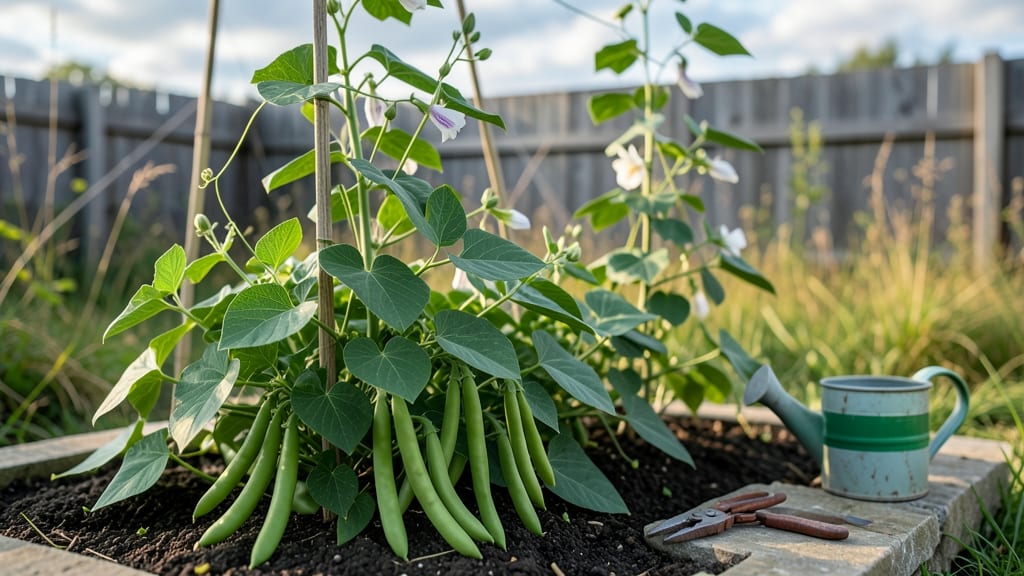
Timing your green bean growing season right means the difference between a handful of beans and a garden bursting with fresh, crisp pods 🌱.
If you’ve ever planted green beans too early and watched them wilt in a late frost—or too late and missed the harvest window—you know how critical the calendar can be. The right schedule keeps your plants thriving from April through September, no matter your zone.
In this guide, I’ll break down the exact planting and harvesting windows for your hardiness zone, including frost-free tricks to stretch your season. Whether you’re in a warm Zone 10 or a cooler Zone 6a, you’ll learn how to sync your planting with nature’s rhythm for maximum yield.
You’ll also discover common mistakes that shorten the growing season (and how to avoid them), plus companion plants that boost productivity. Ready to turn your garden into a bean bonanza? Let’s get started.
Green bean planting timeline by USDA hardiness Zones (with frost-free date guide)
Green beans are warm-season crops that thrive when planted at the right time—too early and frost will kill them, too late and you’ll miss peak harvests. Your USDA hardiness zone dictates the perfect window, but even within zones, soil temperature and frost-free dates matter.
For example, in Zone 3, you’ll plant weeks later than in Zone 10, but both need soil at 60°F+ to sprout reliably.
Pole beans and bush beans also have different timing needs. Pole beans climb and produce later, while bush beans mature faster. I’ll break down zone-specific planting windows, soil temp rules, and whether to direct sow or transplant for your region’s best results.
📌 Pro Tip: Always check your local last frost date (not the zone average) and wait 2 weeks after frost risk passes. Use a soil thermometer—green beans won’t germinate below 55°F.
In Zones 3-4, where late frosts are common, opt for late-maturing varieties like ‘Provider’ bush beans. These handle cooler soils better and give you a second harvest if you plant again in mid-July for a fall crop.
Use black plastic mulch to warm soil faster—this can shave 2 weeks off your planting timeline.
For Zones 5-6, I recommend succession planting: sow seeds every 2 weeks from April to June. This ensures a steady supply of fresh pods. Pole beans like ‘Kentucky Wonder’ need trellises, so install them early—waiting until after planting delays growth and reduces yield.
Southern gardeners in Zones 7-10 can plant year-round, but avoid summer heat (above 90°F) which causes beans to bolt. In Zone 10, I plant early varieties like ‘Blue Lake Bush’ in January for spring harvests, then switch to heat-tolerant ‘Mascotte’ pole beans in August.
Direct sowing is best for green beans—transplants struggle with root shock. Plant seeds 1 inch deep and 4-6 inches apart (closer for bush types). Thin seedlings to 3-4 inches apart to prevent disease. In cooler zones, use row covers to extend the season by 3-4 weeks.
Watch for soil temperature cues: use a thermometer to confirm soil is 60°F+ before planting. If it’s cooler, wait—cold soil delays germination by weeks. In Zone 3, I’ve seen seeds take 3 weeks to sprout at 50°F versus 5 days at 65°F.
Harvest time varies by variety: bush beans mature in 50-60 days, pole beans take 60-70 days. Start checking pods when they reach 4-6 inches—pick every 2-3 days to encourage more production. Late-season plantings in Zones 4-6 may need row covers to protect from early fall frosts.
🌱 For continuous harvests, try this: In Zones 5-8, plant half your seeds in early spring and the rest in mid-summer
How to extend your green bean growing season for continuous harvests
If you love fresh, crisp green beans straight from your garden, you know how disappointing it is when the harvest season feels short. The key to a longer harvest window lies in strategic planning—using succession planting, cold-hardy varieties, and simple protective techniques.
With these methods, you can enjoy green beans from early summer through fall, or even into winter in mild climates. Let’s break down how to make it happen without complicating your routine.
First, focus on succession planting, which means staggering your plantings every 2-3 weeks after the last frost date. This ensures a steady supply of beans as older plants finish producing.
For example, in USDA Zone 6a, start your first planting in mid-April, then follow with additional plantings in late May and early June. Each batch will mature at different times, creating a continuous harvest.
🌱 Key Strategies to Extend Your Green Bean Season
- Choose cold-tolerant varieties like 'Blue Lake Bush' or 'Kentucky Wonder' for early or late plantings.
- Use row covers to protect plants from light frosts (28-32°F) and extend harvests by 2-4 weeks.
- Warm soil with black plastic mulch or straw bales to jumpstart growth in cooler zones.
- Plant companion crops like marigolds or nasturtiums to deter pests and improve yield.
- Harvest every 2-3 days to encourage more pod production and prevent overmaturity.
For cooler climates, row covers are a game-changer. These lightweight fabrics (like frost cloth) create a microclimate that traps heat and protects plants from light frosts. You can use them to extend harvests into early fall or even overwinter beans in Zones 7-10.
Just secure the cover with stakes or a hoop tunnel and remove it during the day if temperatures rise above 75°F to prevent overheating.
Another trick is to warm your soil before planting. In early spring, lay down black plastic mulch or straw bales 2-3 weeks before your first planting date. This raises soil temperatures by 5-10°F, helping seeds germinate faster and giving you an earlier start.
Pair this with succession planting, and you’ll have beans ready to harvest just as the first batch finishes.
Don’t forget about companion planting—it’s a natural way to boost yields and deter pests. Green beans pair well with corn, cucumbers, and potatoes, but avoid planting them near onions or garlic, which can stunt their growth.
Marigolds, nasturtiums, and radishes are excellent companions too, as they repel bean beetles and other pests. Space your beans 4-6 inches apart in rows 18-24 inches apart to allow airflow and reduce disease risk.
Finally, stay on top of harvesting frequency. Green beans produce more pods when you pick them regularly—aim for every 2-3 days during peak season. Use sharp scissors or pruners to snip pods just above the leaf nodes to avoid damaging the plant.
If you notice pods swelling with seeds, harvest them immediately or the plant will shift energy toward seed production instead of new growth.
With these strategies, you’ll turn your green bean patch into a year-round harvest machine, no matter your climate. Start small if you’re new to succession planting, and gradually expand as you see what works best in your garden. Happy growing! 🌿