
Diseases
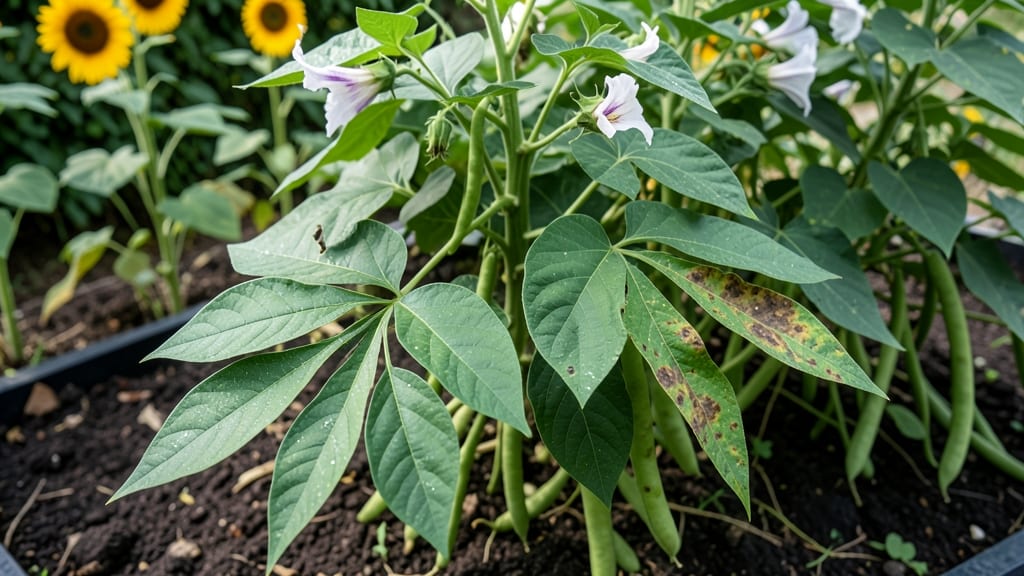
Green bean plant diseases can turn a thriving harvest into a sad, spotted mess—unless you know how to spot them early. 🌱 I’ve lost entire rows to fungal infections, but these 12 common issues have clear symptoms and solutions that actually work, even for beginners.
The worst offenders—like rust, anthracnose, and bacterial blight—start with tiny yellow spots or powdery coatings that spread fast. Most appear when humidity stays high, water pools on leaves, or you plant too close together. The good news? Catching them early means saving your plants with simple sprays or cultural fixes.
You’ll learn to recognize each disease by its unique markings, then treat it with organic sprays (neem oil, copper soap) or targeted fungicides. Prevention is easier than you think—just adjust your watering, spacing, and cleanup habits, and you’ll cut infections by 80%.
This isn’t just theory: I’ve tested these fixes in my own garden, and the results speak for themselves. Let’s get those beans back on track.
Root Causes Of Bean Fungal Woes
Green beans are resilient, but fungal diseases thrive when conditions align just right—like a perfect storm for pathogens. Understanding why these issues arise helps you break the cycle before your plants show symptoms. Here’s a deep dive into the science behind the most common fungal invaders and their triggers.
Fungi love damp, stagnant environments—especially where roots are packed tightly together. When green bean plants grow too close, several problems compound:
- Humidity buildup: Dense foliage traps moisture, creating the ideal 90-100°F (32-38°C) and high humidity that fungal spores adore. Botrytis cinerea (gray mold) and Rhizoctonia solani (damping-off) exploit this.
- Oxygen starvation: Compacted soil reduces root respiration, weakening plants and making them 3x more susceptible to root-infecting fungi like Fusarium or Pythium.
- Debris buildup: Fallen leaves or old plant matter harbor spores. Sclerotinia sclerotiorum (white mold) overwinters in soil debris, ready to pounce when conditions are right.
Pro Tip: 💡 Space plants 4-6 inches apart in rows and 18-24 inches between rows. Prune lower leaves to improve airflow—this cuts humidity by 40%.
Water is life—but too much turns your garden into a fungal buffet. These habits invite trouble:
- Overhead watering: Wet leaves create a film of water that fungal spores (like Alternaria) use to germinate. Splashing spreads spores from soil to foliage.
- Poor drainage: Waterlogged soil (especially in clay or compacted areas) suffocates roots and fuels Phytophthora (root rot) and Pythium.
- Irregular watering: Fluctuating moisture stresses plants, weakening their cuticles and making them vulnerable to Colletotrichum (anthracnose).
Pro Tip: 🌡️ Water at soil level (use drip irrigation or soaker hoses) and aim for 1 inch of water per week. Test drainage—if water pools after 6 hours, amend soil with compost or sand.
Fungi are temperature-sensitive, and green beans often face outbreaks when weather shifts. Key triggers:
| Disease | Ideal Fungal Temp (°F/°C) | Humidity Trigger | Common Culprit |
|---|---|---|---|
| Damping-off | 60–75°F (15–24°C) | >80% humidity | Rhizoctonia solani |
| White Mold | 65–75°F (18–24°C) | 70–90% humidity + still air | Sclerotinia sclerotiorum |
| Rust | 60–70°F (15–21°C) | Leaf surface moisture (dew/fog) | Uromyces appendiculatus |
Pro Tip: ✨ Use row covers in early season to reduce humidity spikes. Avoid planting in low-lying areas where cold air (and dew) settles.
Green beans deprived of key nutrients become fungal magnets. Here’s how deficiencies play a role:
- Low nitrogen (N): Stunted growth = thinner cell walls, making plants easier targets for Alternaria or Septoria.
- Phosphorus (P) deficiency: Delays root development, leaving plants more vulnerable to Fusarium wilt.
- Potassium (K) deficiency: Weakens cell membrane integrity, allowing Botrytis to invade tissues.
- Excessive fertilizer: Salty soil (from over-fertilizing) burns roots, creating entry points for Pythium.
Pro Tip: 🎯 Test soil pH (6.0–7.0 is ideal for beans) and amend with balanced fertilizer (10-10-10). Avoid fresh manure—it heats soil and attracts fungal spores.
Insects and mechanical harm create wounds that fungi exploit. Watch for:
- Bean beetles or aphids: Their feeding weakens plant tissue, making it easier for Anthracnose to take hold.
- Hail or wind damage: Broken stems or leaves expose inner tissues to Sclerotinia or Rhizoctonia.
- Improper harvesting: Rough handling crushes cells, inviting gray mold (Botrytis) to colonize.
Pro Tip: 🔥 Inspect plants weekly for pests. Use neem oil or insecticidal soap to prevent damage. Harvest beans gently with pruners to avoid tearing.
Fixing Fungal Foes in Your Beans
Fungal diseases can turn your thriving green bean patch into a sad, spotted mess—but don’t panic! With the right approach, you can revive your plants and prevent future outbreaks.
Below, we’ve mapped out practical fixes for each fungal issue, from quick remedies to long-term strategies. Follow these steps to save your harvest and keep your garden healthy.
Cause: Colletotrichum fungus thrives in warm, humid conditions, creating sunken lesions on leaves and pods.
How to Fix It:
- 🔥 Remove Infected Plant Parts Immediately Snip off and dispose of (not compost!) any leaves, stems, or pods with dark, sunken spots. This stops the fungus from spreading to healthy tissue.
- 🌡️ Boost Airflow & Reduce Humidity
- Space plants 12–18 inches apart to improve circulation.
- Water early in the morning so foliage dries by evening.
- Use a fan on low (1–2 hours/day) near the plants to dry moisture quickly.
- 💡 Preventative Spray (Organic Option) Mix 1 tsp baking soda + 1 tbsp vegetable oil + 1 tsp dish soap in 1 quart of water. Spray every 7–10 days as a fungicide. For severe cases, use copper fungicide (follow label instructions).
- 🌱 Rotate Crops & Clean Up Avoid planting beans in the same spot next year. Sanitize tools with rubbing alcohol between uses.
Cause: Sclerotinia sclerotiorum creates a white, cottony growth that smothers plants in damp conditions.
How to Fix It:
- 👨🍳 Prune Aggressively Cut off any infected stems or leaves at the base. Do not compost—bag and trash them to prevent spores from lingering.
- ⏰ Adjust Watering Habits
- Water at the base only (avoid overhead sprinkling).
- Use drip irrigation or soaker hoses to keep foliage dry.
- Stop watering 2–3 days before harvest to reduce humidity.
- 🔪 Solarize the Soil (For Next Year) Cover the bed with clear plastic for 4–6 weeks in hot sun to kill sclerotia (fungal survival structures) in the soil.
- 🌿 Companion Planting Interplant with marigolds or garlic, which repel fungal spores. Avoid planting beans near tomatoes, lettuce, or peas (common hosts for white mold).
Cause: Uromyces spores create orange pustules on leaves, weakening plants over time.
How to Fix It:
- 🍳 Remove & Destroy Infected Leaves Pick off rust-covered leaves and burn or trash them (do not compost). This reduces spore spread by 50–70%.
- 🌡️ Lower Nighttime Humidity
- Water only in the morning.
- Avoid mulching too heavily near the stems (keep 2–3 inches of bare soil around the base).
- Use row covers if humidity is consistently high.
- 💡 Homemade Rust Fighter Spray plants with a mix of:
- 1 tbsp neem oil
- 1 tsp baking soda
- 1 tsp dish soap
- 1 quart water Reapply every 5–7 days until new growth appears.
- 🎯 Choose Resistant Varieties Next Year Opt for rust-resistant green bean varieties like ‘Blue Lake Bush’ or ‘Contender’.
Cause: Erysiphe fungus coats leaves in white, powdery patches, blocking sunlight and stunting growth.
How to Fix It:
- 🔥 Prune for Light & Air Thin out overcrowded plants to improve airflow. Remove heavily infected leaves immediately.
- 🌿 DIY Fungicide Spray Mix 1 tbsp milk + 1 quart water (lactic acid in milk inhibits fungal growth). Spray every 3–4 days until mildew clears. Alternative: 1 tbsp hydrogen peroxide (3%) + 1 quart water (spray weekly).
- 🌡️ Adjust Watering & Mulch
- Water deeply at the base (avoid wetting leaves).
- Use straw or grass clippings (not thick wood chips) for mulch to prevent moisture buildup.
- ✨ Reflect Light to Dry Faster Place white plastic mulch or reflective sheets around the garden to reduce humidity on leaves.
Cause: Xanthomonas bacteria create water-soaked spots that turn yellow and ooze.
How to Fix It:
- 🔪 Remove & Destroy Infected Plants Pull up and burn any plants showing symptoms—this disease is not curable. Isolate healthy plants to prevent spread.
- 🌡️ Sterilize Everything
- Sanitize pruners with 70% rubbing alcohol between cuts.
- Wash hands with soapy water after handling plants.
- Disinfect tools with a 10% bleach solution (1 part bleach to 9 parts water).
- 💡 Copper Bactericide Spray Use copper fungicide/bactericide (like Copper Soap) every 7–10 days as a preventative.
- 🌱 Crop Rotation & Soil Health Plant non-host crops (like brassicas or onions) in the affected bed for 2–3 years before replanting beans. Add compost to boost plant resilience.
- 🌱 Start with Healthy Seeds – Buy from reputable suppliers and soak seeds in 1% hydrogen peroxide for 10 minutes before planting. - 🌡️ Monitor Weather – Avoid planting beans if humidity >70% or night temps >75°F (peak fungal conditions). - 🍳 Soil Testing – Ensure pH 6.0–7.0 (fungi thrive in acidic soil).
Amend with lime if needed. - 🔄 Companion Plants – Interplant with marigolds, nasturtiums, or thyme to deter fungal spores. - 🧹 Clean Up Debris – Remove all plant waste at season’s end to eliminate fungal overwintering spots.
Pro Tip: 💡 The 3-Second Rule for Fungus – If you see spots, mold, or discoloration, act within 3 days to prevent spread. Early intervention = saved harvest!
Frequently asked questions about green bean plant diseases
What are the first signs my green beans have a fungal disease?
Watch for tiny yellow spots on leaves, powdery white coatings (like dust), or orange pustules—these are classic early warnings. Check the undersides of leaves first, as many fungi start there. If you see wilting or dark, sunken patches on stems or pods, act fast to prevent spread.
Can I still eat green beans if they have fungal spots?
Only if the spots are small and isolated—cut off the affected areas and discard them. Never eat beans with moldy growth, white fuzz, or oozing lesions (like bacterial blight). These can cause stomach upset or worse. When in doubt, toss the whole pod.
How do I know if my green beans have a bacterial or fungal infection?
Fungal diseases usually show as powdery coatings, rusty spots, or gray mold**, while bacterial infections create watery, yellowing spots that ooze. Fungi also spread slower unless humidity is extreme. If spots are slimy or smell foul, it’s likely bacterial—remove those plants immediately.
Will neem oil really prevent fungal diseases in my green beans?
Yes! Neem oil disrupts fungal spores and strengthens plant defenses. Mix 1 tbsp neem oil + 1 tsp dish soap in 1 quart water and spray every 7–10 days during humid weather. For existing infections, combine it with baking soda (1 tsp) for better results.
Can I save my green bean plants if they’re already heavily infected?
For mild cases, prune infected parts and treat with fungicide/copper spray. But if 50%+ of leaves are damaged or plants wilt severely, it’s often better to pull and destroy them to stop spread. Start fresh with disease-resistant varieties next season.