
Vegetables
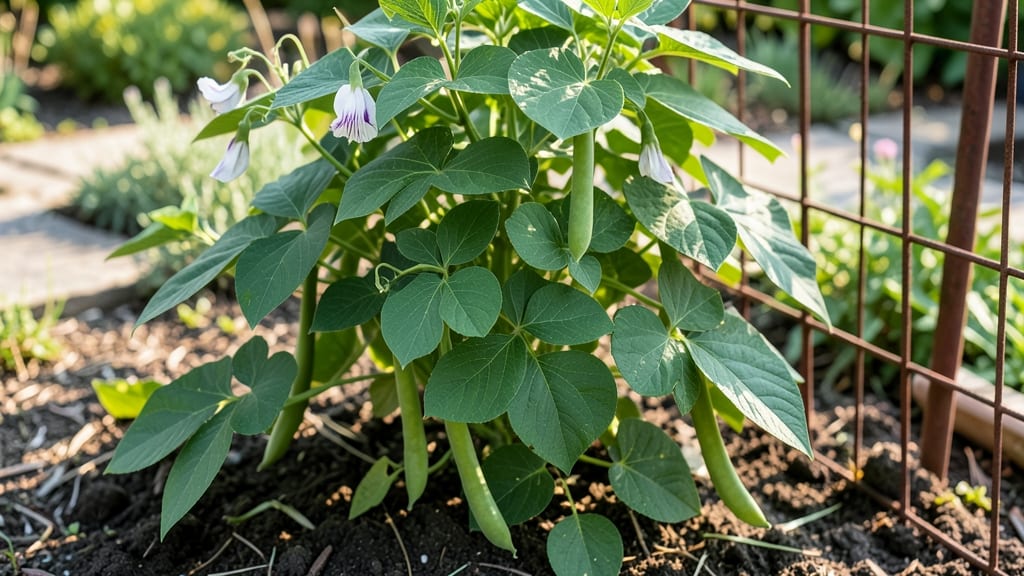
Growing green beans inside my living room turned my small space into a thriving vertical garden—12-foot pole beans now climb a trellis by the sunny window, no greenhouse required. 🌱 The key is matching the right variety to your setup: bush beans for small pots, pole beans for climbing structures.
Start with a 5-gallon container or deeper for pole beans, filling it with well-draining potting mix. Place near a south-facing window or under a grow light for 6–8 hours daily. Water when the top inch of soil feels dry, but avoid soggy roots—this is where most indoor failures happen.
Within 3–4 weeks, you’ll see vines climbing and tiny beans forming. A 3-foot trellis can produce 2–3 pounds of beans per season, enough for fresh eating or freezing. The real magic? No backyard needed—just sunlight, patience, and a little vertical thinking.
Troubleshooting is simple: yellow leaves mean too much water; stunted growth means more light. For apartments or small homes, this method turns wasted corners into harvests. Ready to grow upward instead of outward?
Common Causes Of Hollow Pods
Green beans growing with hollow or underdeveloped pods—often called "green beans inside" or "blanks"—can be frustrating for container gardeners. While this issue isn’t always avoidable, understanding the root causes helps you adjust your growing strategy for healthier harvests.
Below are the most common reasons why green beans develop poorly filled pods, along with actionable science-backed explanations.
Green beans are self-pollinating, meaning they rely on their own flowers to transfer pollen. However, environmental factors can disrupt this process, leading to hollow pods.
- Wind and Humidity Issues: Beans need gentle movement to shake pollen from male to female flowers.
In containers, wind exposure is often limited, and high humidity can prevent pollen from drying and sticking properly. - Poor Flower Development: Overcrowded plants or excessive nitrogen fertilizer can result in lush foliage but fewer flowers, reducing pollination opportunities. - Temperature Fluctuations: Extreme heat (above 90°F) or cold (below 50°F) can inhibit pollinators like bees (even if you don’t see them, they play a role) and cause flowers to drop before pollination occurs.
Actionable Fix: Hand-pollinate by gently shaking plants in the morning or using a small brush to transfer pollen from male (top) to female (bottom) flowers. Choose bush varieties for containers, as they produce more flowers per plant.
Water is critical for pod development, but imbalances—whether drought or excess moisture—can stunt growth.
- Drought Stress: Green beans need consistent moisture, especially during flowering and pod formation. Drought causes flowers to abort or pods to develop poorly. - Overwatering: Poor drainage in containers can lead to root rot, starving the plant of nutrients and oxygen.
Waterlogged soil also disrupts nutrient uptake, including calcium and boron, which are essential for pod filling. - Uneven Watering: Inconsistent moisture (e.g., deep watering followed by dry spells) stresses plants, leading to uneven pod development.
Actionable Fix: Use containers with drainage holes and water deeply 1–2 inches when the topsoil feels dry. Mulch with straw to retain moisture and improve soil stability. Avoid letting plants sit in soggy soil.
Green beans are heavy feeders, and a lack of key nutrients—especially during flowering—can result in hollow pods.
- Nitrogen Overload: Too much nitrogen promotes leafy growth at the expense of reproductive structures (flowers and pods). - Calcium Deficiency: Calcium is vital for cell wall formation in pods.
A deficiency (often due to poor soil pH or waterlogged conditions) leads to weak, hollow, or deformed pods. - Boron Shortage: Boron aids in pollen tube growth and pod development. Containers are prone to leaching boron, especially in sandy soils.
Actionable Fix: Use a balanced fertilizer (10-10-10) at planting and switch to a low-nitrogen, high-phosphorus formula (e.g., 5-10-10) when flowers appear. Add crushed eggshells or calcium nitrate to the soil for extra calcium. Test soil pH (ideal: 6.0–7.0) and amend with lime if needed.
Green beans thrive in moderate temperatures but struggle with heat or cold stress during critical growth stages.
- Heat Stress (Above 90°F): High temperatures cause flowers to drop or fail to set properly, leading to blank pods. Container soil heats up faster than ground soil, exacerbating the issue. - Cold Snaps (Below 50°F): Chilly nights slow metabolism, reducing energy available for pod filling.
Frost can kill flowers before they open.
Actionable Fix: Provide afternoon shade in hot climates using shade cloth or row covers. In cold regions, use black plastic mulch to warm soil or grow heat-tolerant varieties like ‘Contender’ or ‘Blue Lake Bush’. Avoid planting too early in spring.
Pests and pathogens can physically damage flowers or pods, preventing proper development.
- Bean Beetles or Aphids: These pests feed on flowers and young pods, stunting growth and causing deformities. - Powdery Mildew: A fungal disease that weakens plants, reducing their ability to produce filled pods.
It thrives in humid, shaded conditions—common in dense container plantings. - Root Rot: Fungal infections from overwatering or poor drainage kill roots, limiting nutrient and water uptake to developing pods.
Actionable Fix: Inspect plants regularly for pests and treat with neem oil or insecticidal soap. Space plants 4–6 inches apart for airflow and avoid overhead watering. Use fungicides like copper spray if mildew appears.
Not all green bean varieties are created equal when it comes to pod filling, especially in containers.
- Poorly Adapted Varieties: Some heirloom or pole beans require more space and support to develop properly in containers.
Bush beans are generally more reliable for compact growing. - Harvesting Too Late: Overmature pods (beyond 5–7 inches) can become woody or hollow as the plant redirects energy to seed production. - Early Harvesting Pressure: Picking too many immature pods early in the season can stress the plant, reducing its ability to produce filled pods later.
Actionable Fix: Choose container-friendly varieties like ‘Blue Lake Bush’, ‘Mascotte’, or ‘Provider’. Harvest pods regularly (every 2–3 days) to encourage continuous production, but avoid over-picking. Let a few pods mature fully to allow the plant to replenish energy.
Fixing Overcrowded Green Bean Growth
Growing green beans vertically is a smart way to save space, but sometimes those pods end up tangled, stunted, or even inside the trellis or container—leaving you scratching your head. 🌱🤔 The good news? With a few targeted tweaks, you can turn this common issue into lush, productive vines.
Below are practical fixes tailored to the root causes (like poor support, overplanting, or weak stems) plus prevention tips to keep your beans thriving outside the container.
Cause: Thin stems can’t support their own weight, causing pods to droop or nestle inside the trellis. Fix It:
- 🍳 Upgrade Your Trellis: Swap flimsy netting for sturdy bamboo stakes or a spiral trellis (like a tomato cage). Secure it tightly to the container—beans need firm support!
- 👨🍳 Prune Strategically: Trim side shoots that grow into the container, redirecting energy to upward growth. Use clean scissors (sterilized with rubbing alcohol) to avoid disease.
- 🥘 Add a Helper: Tie main stems to the trellis with soft plant ties or old fabric strips every 6–8 inches. Avoid wire—it can damage tender stems.
💡 Prevention Tip: Choose bush or dwarf varieties (like ‘Blue Lake’ or ‘Contender’) if your container is small—they’re hardier and less prone to flopping.
Cause: Planting too close or letting vines sprawl leads to competition for light/nutrients, forcing pods inward. Fix It:
- 🔪 Thin Your Plants: If seedlings are packed, snip all but the strongest 2–3 stems per plant (or 1 plant per 4–6 inches of container edge).
- 🌿 Train Vines Outward: Gently weave new growth away from the center of the container, using the trellis as a guide. Think of it like braiding—direct energy upward.
- 📊 Rotate Containers: If space is extremely limited, swap containers mid-season. Move half the plants to a new spot to reduce congestion.
🌡️ Prevention Tip: Pre-plan spacing! For bush beans, allow 4–6 inches between plants; for pole beans, 6–8 inches. Overcrowding starts at planting.
Cause: Humid, stagnant air traps moisture, leading to mold or pests that make pods cling to the trellis. Fix It:
- 🌬️ Improve Ventilation: Space trellises 3–4 inches away from container walls. If using netting, loosen it slightly to allow airflow.
- 🔪 Trim Encroaching Leaves: Snip leaves that touch the trellis—this prevents shade and fungal growth (like powdery mildew).
- 💦 Water Wisely: Water at the base (not overhead) and early in the day so foliage dries quickly.
✨ Prevention Tip: Choose open-weave trellises (like slatted wood or plastic grids) over dense netting to reduce trapping pods.
Cause: Lack of nitrogen or potassium causes weak stems and poor pod development, making beans collapse inward. Fix It:
- 💪 Fertilize Right: Use a balanced fertilizer (10-10-10) when flowers appear, then switch to low-nitrogen, high-phosphorus (5-10-10) when pods form.
- 🥗 Boost Organic Matter: Mix compost or worm castings into the soil at planting. Beans are heavy feeders!
- 🌱 Mulch Lightly: Apply straw or shredded leaves (1–2 inches) to retain moisture and prevent nutrient loss.
🎯 Prevention Tip: Test your soil before planting—beans prefer pH 6.0–7.0. Amend with lime (to raise pH) or sulfur (to lower it) if needed.
Cause: Insects chew stems or leaves, forcing vines to grow erratically into the container. Fix It: - 🛡️ Barrier Defense: Wrap the bottom of containers with copper tape (slugs hate it!) or diatomaceous earth (for crawling pests). - 🍳 Handpick Pests: Check for bean beetles or aphids daily.
Blast them off with a strong spray of water or use neem oil (mix 1 tbsp per quart of water). - 🌿 Plant Companions: Interplant with marigolds, basil, or nasturtiums—they repel pests naturally.
🔥 Prevention Tip: Inspect new plants before transplanting. Quarantine them for 24 hours to spot hidden pests.
Cause: Temperature swings cause weak stems or erratic growth, making pods nestle inside. Fix It: - 🌞 Shield from Heat: If temps exceed 90°F (32°C), provide dappled shade (use a sheer cloth) during peak afternoon sun. - 🥶 Protect from Cold: Cover containers with frost cloth if nights dip below 50°F (10°C).
Beans thrive in 70–80°F (21–27°C). - 💦 Hydrate Deeply: In heatwaves, water twice daily (morning and evening) to prevent wilting.
💡 Prevention Tip: Start seeds indoors 2–3 weeks before the last frost, then transplant when soil is at least 60°F (15°C).
If your beans are already tangled inside, don’t panic!
- 🔪 Snip any pods touching the trellis (they’ll regrow).
- 🌿 Re-train vines upward with soft ties.
- 🌱 Add a side trellis if the main one’s overwhelmed—beans will climb it too!
With these fixes, your green beans will stay where they belong—outside the container, basking in sunlight and ready for harvest! 🌿🍃
Frequently asked questions
Why do my green beans grow inside the container instead of climbing outward?
Overcrowding or weak stems are usually the culprits. When plants compete for space, they grow inward toward the container center. Use a sturdy trellis and prune side shoots to redirect growth upward. Bush varieties like 'Blue Lake' handle containers better than sprawling pole beans.
Can I still harvest green beans that grow inside the container?
Yes, but gently! Carefully untangle pods from the trellis or container edges. Avoid pulling stems—this can damage the plant. For future growth, train vines outward early by weaving them along the trellis. Harvest regularly to encourage more production.
What's the best container size for growing green beans indoors?
Minimum 5-gallon containers work for bush beans, while pole varieties need 10+ gallons to support their vines. Use containers with drainage holes and at least 12 inches of depth. Smaller pots limit root growth, leading to weaker plants and inward pod growth.
How much sunlight do indoor green beans really need?
Green beans require 6–8 hours of direct sunlight daily. Place containers near south-facing windows or supplement with a grow light (12–16 hours/day). Without enough light, plants grow leggy and produce fewer pods, often growing inward toward any available light source.
Are there green bean varieties that stay outside containers better?
Try 'Mascotte' (bush type) or 'Blue Lake Bush'—both produce well in containers and grow outward naturally. For vertical growth, 'Kentucky Wonder' pole beans climb better when properly supported. Avoid tall heirloom varieties in small spaces—they'll sprawl inward.