
Vegetables
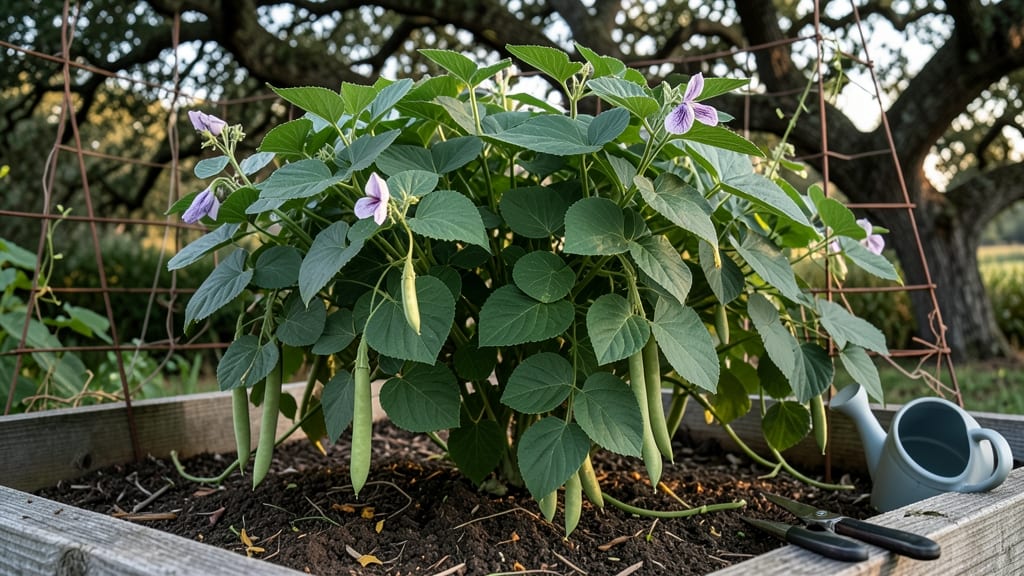
Growing green kidney beans from seed means fast germination—often within just 5-7 days if you get the soil right. 🌱 I learned the hard way that patience isn’t always needed here; these beans burst through the soil like they’re racing to the sun, especially when planted in warm, well-drained beds.
The secret starts with soil that’s loose and rich in compost—think crumbly, not clay-like. They crave full sun (6+ hours daily) and hate soggy roots, so raised beds or mounds work wonders. Plant seeds 1 inch deep, 3-4 inches apart, and watch for those first tiny leaves within a week.
Once established, these beans produce year-round in warm climates, with proper trellising extending harvests. The pods stay tender when picked young, and the plants reward you with 3-4 weeks of continuous harvests if you keep them pruned and watered consistently.
For cool-season gardeners, opt for bush varieties—they mature faster and handle light frosts better. Just avoid overcrowding, or you’ll end up with skinny, stringy beans instead of the plump, sweet ones you crave.
📚 In This Guide
- What you need
- Instructions
- Tips and common mistakes
- Wrapping up and next steps
What you need
- ● Green kidney bean seeds: 1–2 lbs (or ~500–1,000 seeds) for a small garden patch
- ● Choose heirloom or bush varieties (e.g., ‘Contender,’ ‘Blue Lake’) for easier harvests.
- ● Growing medium: Well-draining potting soil (for containers) or loamy garden soil (amended with compost)
- ○ Optional: Coco coir or peat moss (for moisture retention in dry climates).
- ● Containers or garden space: For containers: 5–10 gallon pots (1–2 plants per pot) with drainage holes.
- ● For garden beds: Full sun (6+ hours/day) and space 4–6 inches apart in rows.
- ● Fertilizer: Balanced fertilizer (10-10-10) or compost (mix 1 cup per 5 sq ft of soil).
- ○ Optional: Epsom salt (1 tbsp per plant) for magnesium boosts.
- ● Watering tools: Watering can or hose with a gentle spray nozzle (to avoid displacing seeds).
- ○ Drip irrigation kit (optional, for consistent moisture).
- ● Support structures (for pole beans): Trellis, stakes, or tomato cages (if growing pole varieties like ‘Kentucky Wonder’).
- ● Seed starter trays (for early indoor germination, 4–6 weeks before last frost).
- ● Row covers or shade cloth (to protect young seedlings from pests or heat).
- ● Mulch (straw or grass clippings) to retain soil moisture.
- ● pH test kit (ideal soil pH: 6.0–7.0 for kidney beans).
- ● Pruning shears (for trimming overgrown vines or dead leaves).
Step-by-step instructions for growing green kidney beans
Here's how to get those beans sprouting in just 5-7 days and keep them producing all season.
🌱 Step 1: Soak Seeds Overnight for Faster Germination
Place 4 cups of green kidney bean seeds in a bowl and cover them completely with warm water (around 80°F). Let them soak for 8-12 hours—this softens the seed coat and triggers faster sprouting. I like to use a fine mesh bag so the seeds stay contained while soaking.
After soaking, drain the water and give the seeds a quick rinse. You'll notice they've plumped up noticeably—this is your signal they're ready to plant. Don't skip this step; soaked seeds germinate in half the time of dry ones, and you'll see those first little sprouts in just 3-5 days instead of a week.
☀️ Step 2: Plant in Warm, Well-Drained Soil
Choose a spot that gets full sun (6+ hours daily) and has loose, well-draining soil. Green kidney beans hate soggy roots, so if your soil feels heavy, mix in 2 inches of compost to improve drainage. Plant seeds 1 inch deep and 3-4 inches apart in rows spaced 18-24 inches apart.
I like to plant in hills—mound soil into small pyramids about 6 inches tall and plant 3-4 seeds per hill. This helps with drainage and makes harvesting easier later. Water gently after planting to settle the soil around the seeds, but don't overdo it—you want the soil moist but not waterlogged.
💧 Step 3: Keep Soil Consistently Moist Until Germination
Water the planting area lightly every 1-2 days until you see the first sprouts. The soil should feel moist 1 inch below the surface—stick your finger in to check. Too much water can cause the seeds to rot before they sprout, while too little will delay germination.
Once the first true leaves appear (those are the second set after the initial seed leaves), you can reduce watering slightly. Green kidney beans are drought-tolerant once established, but they need consistent moisture during germination and early growth. I set up a drip irrigation line to keep the soil evenly moist without overwatering.
✂️ Step 4: Support Vines and Encourage Bushy Growth
When vines reach 6-8 inches tall, install 5-6 foot tall trellises or stakes and gently guide the vines upward. This saves space and makes harvesting easier. I use bamboo stakes tied with soft twine—it's gentle on the vines and strong enough to support the weight.
Pinch off the first few flowers that appear to encourage bushier growth. This might seem counterintuitive, but it redirects the plant's energy into producing more side branches, which will eventually bear more beans. You'll see new growth sprouting from the leaf axils within 1-2 weeks of pinching.
🌿 Step 5: Harvest Regularly for Continuous Production
Green kidney beans are ready to harvest when they're 4-5 inches long and still bright green. Use sharp scissors or pruners to cut the pods just above the leaf node. This encourages the plant to produce more flowers and beans. I harvest every 2-3 days during peak production to keep the plant focused on making new pods.
Don't let the pods get too large or they'll turn stringy and lose flavor. If you miss a harvest window, the beans will turn yellow and dry out on the vine—these are still edible but better suited for drying. Regular harvesting keeps the plant productive all season long and gives you a steady supply of fresh beans.
Tips & tricks for perfect green kidney bean growth
These simple strategies will help you skip the common pitfalls and grow kidney beans faster than ever.
Warm Water Tip: For that perfect 80°F soaking water, use warm tap water straight from the hot water tap—just let it cool slightly before soaking. Too hot can damage the seeds, while too cold slows germination. I test the temp by dipping my finger in; it should feel pleasantly warm but not scalding. This consistent temperature is key to getting those sprouts in just 3-5 days instead of a week.
Soil Prep Secret: Before planting, mix a handful of compost directly into the planting hole—this gives your seeds a nutrient boost right where they need it most. I also like to add a sprinkle of wood ash (optional) for extra potassium, which helps the plants develop strong roots. The goal is loose, crumbly soil that drains well while holding enough moisture to keep those seeds happy during germination.
Germination Check: After the 8-12 hour soak, look for seeds that float—they're likely empty or damaged and should be discarded. Good seeds will sink and feel noticeably heavier. This simple float test saves you from planting duds and ensures you get the fastest possible sprouting. I usually end up with about 3.5 cups of viable seeds after this step for my 4 cups initial batch.
Harvest Hack: When harvesting those 4-5 inch pods, cut them at a slight angle just above the leaf node—this prevents water from pooling on the stem and reduces the risk of disease. I also like to harvest in the morning when the pods are most tender and full of flavor. This regular harvesting every 2-3 days keeps the plant producing like a machine all season long.
Pro Tips for Green Kidney Beans
- These simple strategies will help you skip the common pitfalls and grow kidney beans faster than ever.
- Warm Water Tip: For that perfect 80°F soaking water, use warm tap water straight from the hot water tap—just let it c...
- Soil Prep Secret: Before planting, mix a handful of compost directly into the planting hole—this gives your seeds a n...
Frequently asked questions
How long do green kidney beans take to germinate?
Green kidney beans typically sprout within 5–10 days after planting, depending on soil warmth and moisture. For faster germination, soak seeds overnight before planting and keep soil at 70–85°F (21–29°C). Patience is key—cool soil can delay sprouting by a week or more.
Can I grow green kidney beans in containers or small spaces?
These beans thrive in 5-gallon pots or larger with at least 12–18 inches of depth. Use a well-draining potting mix and provide a trellis or stakes for climbing varieties. Just ensure containers get 6+ hours of sunlight daily—they’re perfect for balconies, patios, or even windowsills!
Are green kidney beans the same as regular kidney beans?
Not quite! Green kidney beans (like the Contender or Rattlesnake varieties) are harvested young and tender (50–60 days), while traditional kidney beans (e.g., Navy beans) are dried and used in soups or stews. Green ones are sweeter, softer, and perfect for salads or stir-fries!
Why are my green kidney bean plants wilting or turning yellow?
Wilting or yellowing leaves often signal underwatering, overwatering, or nutrient deficiencies. Check soil moisture—beans need 1–1.5 inches of water weekly. Yellow leaves may also mean nitrogen deficiency; try a balanced fertilizer or compost. Pests like aphids can also stress plants—inspect undersides of leaves!
What’s the best way to harvest green kidney beans for maximum yield?
Harvest when pods are 3–4 inches long and firm (usually 50–60 days after planting). Pick every 2–3 days to encourage more production. Use scissors or pruners to avoid damaging vines. Pro tip: Harvest in the morning when pods are crispest and most flavorful!
Wrapping up and next steps
Growing green kidney beans is a rewarding journey that brings fresh, nutritious produce right to your doorstep—or even your windowsill! 🌱 With the right soil, sunlight, and a little patience, you’ll enjoy a bountiful harvest in no time.
Whether you’re a seasoned gardener or just starting out, these tips make it easy to cultivate thriving plants year-round.
Ready to take the next step? Start small—plant a few seeds today! Experiment with different varieties, keep track of what works best for your climate, and soon, you’ll be savoring homegrown kidney beans in salads, stir-fries, or your favorite recipes. Happy growing! 🌿