
Container Gardens
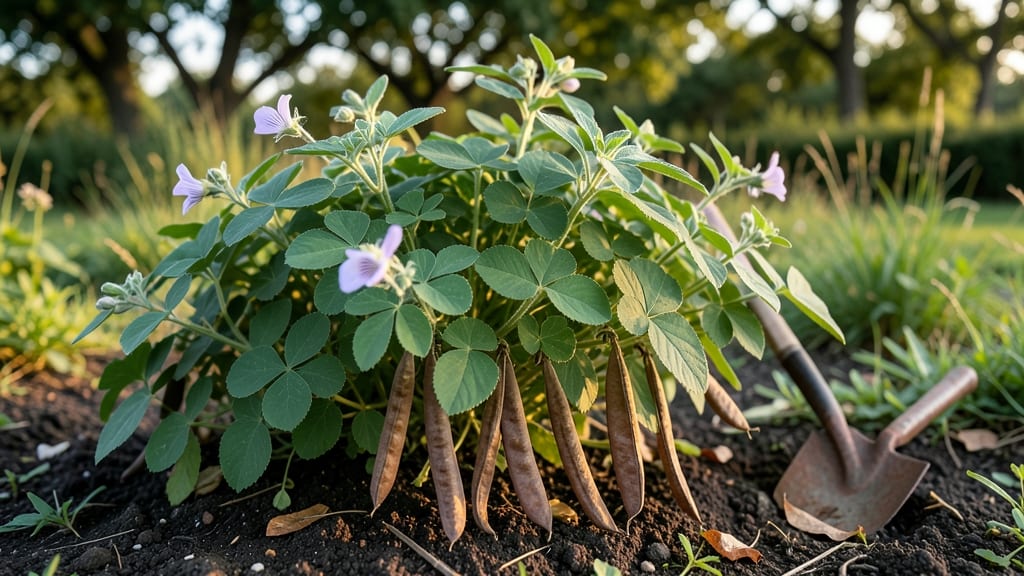
Growing adzuki beans in containers delivers fast harvests when you provide well-draining soil, full sun exposure, and steady moisture. Start seeds indoors 4-6 weeks before last frost, space seedlings 18-24 inches apart, and harvest pods when they're firm and green for peak sweetness. Containers must be at least 12 inches deep to support strong root growth.
Adzuki beans thrive in loose, sandy soil mixes that prevent waterlogging while retaining enough moisture for their deep roots. 🌱 The key is replicating their native warm-season conditions—think of containers as mini-greenhouses where you control both drainage and heat retention.
I've found that adding composted leaf mold to the soil mix gives plants a nutrient boost without compacting the roots, which is especially critical in small containers where space is limited.
These beans are sensitive to cold snaps, so if you're in a cooler climate, opt for larger containers (18+ inches deep) to add extra insulation and warmth.
Harvesting at the right time transforms these beans from bland to rich, nutty, and sweet—the difference between a good crop and a great one. 🌿 When pods turn a vibrant green and feel firm to the touch (but before they harden), that's your window.
I like to pick in the morning when the plants are hydrated, as this reduces stress on the vines. For container growers, expect about 2-3 pounds of green beans per plant if you're consistent with watering and fertilization.
The real secret? Thin seedlings early—it might seem cruel, but giving each plant proper airflow prevents fungal issues that can ruin your harvest.
💡 In This Article
- Adzuki Bean Planting and Soil Requirements for Containers
- Step-by-Step Adzuki Bean Container Harvesting Guide
Adzuki bean planting and soil requirements for containers
Adzuki beans need a soil mix that mimics their native conditions—think loose, well-aerated sandy loam blended with 20-30% compost for nutrients.
The ideal pH range is 6.0-7.0, which prevents nutrient deficiencies like iron chlorosis (yellowing leaves). 🌱 I've found that adding perlite or coarse sand (about 20% of the mix) improves drainage while maintaining moisture retention. Without this, roots suffocate in heavy clay soil, leading to stunted growth or rot.
Containers must have drainage holes—waterlogged roots are the #1 killer of adzuki beans in pots.
Root development is critical: these beans send roots 12-18 inches deep and spread 18-24 inches wide.
A 12-inch-deep container works for one plant, but 18-inch depth gives roots room to explore, especially in hot climates where soil dries faster. 🌡️ In cooler zones, deeper containers add insulation—roots stay 5°F warmer than surface soil, which is vital for germination.
I've seen seedlings in shallow pots fail to thrive even with perfect watering because their roots couldn't escape the compacted soil layer near the bottom.
Climate matters more than most gardeners realize. Adzuki beans are warm-season crops that need soil temps above 60°F to germinate. In containers, this means placing pots in south-facing spots or using black plastic mulch to warm soil faster. 🌞 The key is consistency: these beans hate temperature swings.
If nights drop below 55°F, growth stalls, and flowers may abort—leading to poor yields. For container growers, a thermometer buried in the soil (not air temp!) is worth the investment.
Here's what goes wrong when requirements aren't met:
- Poor drainage: Roots rot within 3-5 days of overwatering, turning leaves yellow and mushy.
- Compacted soil: Roots grow gnarled and stunted, reducing yield by 40-50%.
- Incorrect pH: Below 5.5 locks out nutrients; above 7.5 causes magnesium deficiency (leaf edges turn brown).
Pro tip: Test your soil mix's moisture retention by squeezing a handful—it should hold shape but not drip water. If it crumbles like sand, add 1 part peat moss to 3 parts soil mix. 💧 This balance is non-negotiable for container-grown adzukis.
The right mix turns a struggling plant into a prolific producer within weeks.