
How To
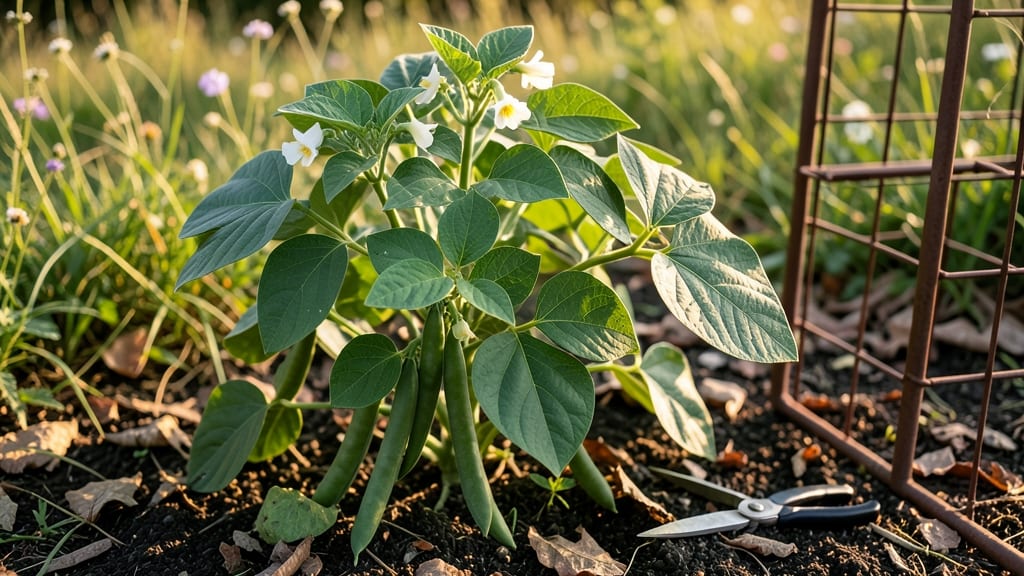
Growing black beans from seed to harvest in just 70 days feels like magic—especially when you see those first dark pods forming. 🌱 The secret starts with the right soil, timing, and a little patience, because these beans don’t like to be rushed.
I’ve grown them in both raised beds and containers, and the key is getting the spacing and watering just right to avoid floppy plants or stunted growth.
You’ll need a sunny spot with at least 6-8 hours of direct light daily, well-draining soil rich in organic matter, and a warm season (after your last frost) to plant.
Black beans are surprisingly adaptable—perfect for small spaces or organic gardens—so long as you keep them consistently moist but not soggy. The payoff? A harvest of tender, protein-packed beans that taste fresh from the vine, not store-bought.
📚 In This Guide
- What you need
- Instructions
- Tips and common mistakes
- Wrapping up and next steps
What you need
- ● Black bean seeds: Choose a variety suited to your climate (e.g., Turtle, Zapotec, or Jalo). Plant 2–3 seeds per hole, spacing them 4–6 inches apart in rows 18–24 inches apart.
- ● Well-draining soil: Black beans thrive in loamy, slightly acidic soil (pH 5.8–6.5). Amend with compost or aged manure for fertility.
- ● Organic matter: Mix in 2–3 inches of compost or well-rotted manure before planting to boost nutrient availability.
- ● Fertilizer: Use a balanced, low-nitrogen fertilizer (5-10-10) or a legume-specific blend. Avoid high-nitrogen fertilizers, as they can harm nitrogen-fixing bacteria.
- ● Watering supplies: A garden hose with a gentle spray nozzle or a drip irrigation system (black beans need 1–1.5 inches of water per week).
- ● Mulch: Straw or grass clippings to retain moisture and suppress weeds.
- ○ Trellis or stakes (optional): For bush varieties, use 3–4 foot stakes or a lightweight trellis to support climbing varieties.
- ● Garden gloves and knee pads: For comfort while planting and harvesting.
- ● Warm climate or long growing season: Black beans need 70–80 frost-free days and warm soil temperatures (60–85°F). Start seeds indoors 4–6 weeks before the last frost if needed.
- ● Sunlight: Full sun (6–8 hours daily) is a must for optimal growth.
- ● Pest control: Monitor for bean beetles, aphids, and whiteflies. Use neem oil or insecticidal soap if pests appear.
- ● Disease prevention: Rotate crops to avoid root rot or bacterial blight. Ensure good airflow between plants.
Step-by-step instructions for growing black beans in your garden
Here's how to cultivate healthy black beans from seed to harvest in just 70 days—no fancy equipment needed.
🌱 Step 1: Start Seeds Indoors or Direct-Sow After Last Frost
Black beans thrive in warm soil, so wait until after your last frost date when soil reaches 60°F or higher. I like to plant seeds 1 inch deep and 2-3 inches apart in rows spaced 18-24 inches apart. This spacing gives roots room to spread without crowding.
If you're starting seeds indoors, sow them 4-6 weeks before transplanting in small pots with well-draining soil. Keep them in a warm spot (70-80°F) until they develop 2-3 true leaves, then harden off before moving outside. Real talk: Black beans hate cold soil, so don't rush—waiting ensures strong, vigorous plants.
☀️ Step 2: Provide Full Sun and Consistent Moisture
Black beans need 6-8 hours of direct sunlight daily. Choose a spot where they'll get morning sun and afternoon shade if your climate is extremely hot. I water deeply 1-2 times per week, aiming for 1 inch of water per week, but adjust based on rainfall. Let the top 2 inches of soil dry out between waterings—consistent moisture is key, but soggy soil invites root rot.
Watch for wilting leaves in hot weather—this is your cue to water more frequently. Mulch around the base with 2-3 inches of straw or grass clippings to retain moisture and keep roots cool. This step alone cuts down on watering by half in my experience.
🌿 Step 3: Fertilize and Support Plants as They Grow
About 3-4 weeks after planting, when plants reach 6 inches tall, apply a balanced fertilizer (like 10-10-10) at half strength. Black beans are nitrogen-fixers, meaning they pull nitrogen from the air, but a little extra helps early growth. I avoid heavy nitrogen later—too much makes plants leafy but produces fewer pods.
As plants grow taller, they'll need support. Install 5-6 foot tall trellises or stakes and gently tie vines with soft fabric strips. This prevents sprawling and makes harvesting easier. You'll see the first flowers appear around 40-50 days—tiny white or purple blooms that will turn into pods in 10-14 days.
⏰ Step 4: Harvest at Peak Ripeness for Best Flavor
Black beans are ready to harvest when pods are fully swollen but still firm, usually 70-80 days after planting. I check plants every 2-3 days at this stage—mature pods turn dark and leathery, and beans inside become hard. Harvest by gently twisting pods off the vine or using pruning shears to avoid damaging the plant.
Don't wait too long—overripe pods crack open, scattering seeds and attracting pests. For continuous harvests, pick pods regularly. Store fresh beans in a cool, dry place or dry them in the sun for long-term storage. Here's the thing—freshly harvested black beans taste sweeter and cook faster than store-bought.
✂️ Step 5: Prepare for Next Year's Planting
After harvest, cut back plants to 2 inches above ground and compost the remaining vines. Black beans improve soil quality, so I leave some plants to decompose naturally. Rotate planting locations next year to prevent soil-borne diseases. If you notice yellowing leaves or stunted growth, your soil may need more organic matter—add compost before replanting.
Save seeds from your best plants for next season by letting a few pods dry completely on the vine. Remove seeds, clean them, and store in a cool, dry place. This ensures you'll have beans perfectly adapted to your climate and soil. I've done this for three years now, and my plants get stronger each time.
Tips & tricks for perfect black bean cultivation
A few simple tricks can make all the difference between struggling plants and a thriving black bean harvest.
Soil Temperature Matters: The 60°F soil temperature threshold is non-negotiable for black beans. I've learned this the hard way—planting too early in cool soil results in slow germination or no germination at all. Use a soil thermometer to confirm temperature before planting, especially in spring. If your soil is still cool, consider using black plastic mulch a few days before planting to warm it up naturally.
Timing Secret for Indoor Starts: When starting seeds indoors 4-6 weeks before transplanting, set up a small heat mat under the seed trays to maintain that 70-80°F range. This mimics tropical conditions where black beans originate. I've found that seeds germinate in just 5-7 days under these conditions, compared to 10-14 days in cooler environments. The key is consistency—don't let temperatures drop below 65°F during germination.
Watering Wisdom: The 1-2 inches of water per week guideline works best when combined with proper mulching. I've noticed that mulching with 2-3 inches of straw reduces evaporation by 30%, meaning I can actually water less frequently without stressing the plants. Always water at the base rather than overhead to prevent fungal diseases that thrive in damp foliage. Look for slight wilting as your cue to water—black beans are more drought-tolerant than most gardeners realize.
Harvesting Hack: For continuous harvests, I've developed a simple system: mark plants with colored flags when I first see flowers appear around 40-50 days. This visual cue helps me track maturity—when pods appear on these flagged plants, I know to start checking every 2-3 days. The pods are ready when they're fully swollen but still firm to the touch, typically 10-14 days after flowering. This method prevents overripe pods and maximizes your harvest window.
Pro Tips for How Are Black Beans Grown
- A few simple tricks can make all the difference between struggling plants and a thriving black bean harvest.
- Soil Temperature Matters: The 60°F soil temperature threshold is non-negotiable for black beans.
- Timing Secret for Indoor Starts: When starting seeds indoors 4-6 weeks before transplanting, set up a small heat mat under the seed trays to maintain that 70-80°F range.
Frequently asked questions
about growing black beans—because every gardener has a few burning questions!How long does it take to grow black beans from seed?
Black beans typically mature in 70 to 90 days after planting, depending on the variety and growing conditions. Most gardeners start seeds indoors 4–6 weeks before the last frost or plant directly in warm soil (60°F+). Patience pays off—harvest time is well worth the wait!
What’s the best climate for growing black beans?
Black beans thrive in warm, sunny climates (USDA Zones 9–11) but can grow in cooler zones with a long growing season (at least 120 frost-free days). They hate cold soil—wait until nighttime temps stay above 50°F (10°C) before planting. If you live in a short-season area, opt for faster-maturing varieties like 'Black Turtle Soup'.
Why are my black bean plants wilting or turning yellow?
Wilting or yellowing leaves often signal underwatering, overwatering, or nutrient deficiencies. Check soil moisture (it should stay evenly moist but not soggy) and ensure plants get 1–2 inches of water per week. Yellowing lower leaves may also mean nitrogen deficiency—try a balanced fertilizer or compost tea. Pests like aphids can also stress plants, so inspect leaves regularly.
Can I grow black beans in containers or small spaces?
Black beans are compact plants (18–24 inches tall) and do well in 5-gallon containers or larger. Use a well-draining potting mix and place pots in a sunny spot (6+ hours of sunlight). Just ensure containers have drainage holes to prevent root rot. Bonus: Container growing makes rotating crops easier!
What can I plant with black beans to improve growth?
Black beans benefit from companion planting! Pair them with:
- Corn (provides shade and support)
- Squash (deters pests naturally)
- Marigolds (repel insects)
- Avoid planting near onions or garlic—they can stunt bean growth.
Do black beans survive frost?
Nope! Black beans are tender annuals and cannot tolerate frost. If a late frost threatens, cover young plants with row fabric or cloches. Once pods form, harvest quickly before temps drop. In cold climates, grow beans as summer crops and save seeds for next year.
Wrapping up and next steps
Growing black beans from seed to harvest is a rewarding journey that combines patience, care, and a little know-how! 🌱 Whether you’re a seasoned gardener or a curious beginner, understanding their needs—like warm soil, proper spacing, and consistent moisture—sets you up for success.
With just 70 days, you’ll enjoy a bountiful harvest packed with nutrition and flavor.
Ready to try? Start by planting your seeds this season and watch your garden transform! For extra tips, explore organic pest control methods or how to preserve your harvest—your next green-thumb adventure awaits! 🌟